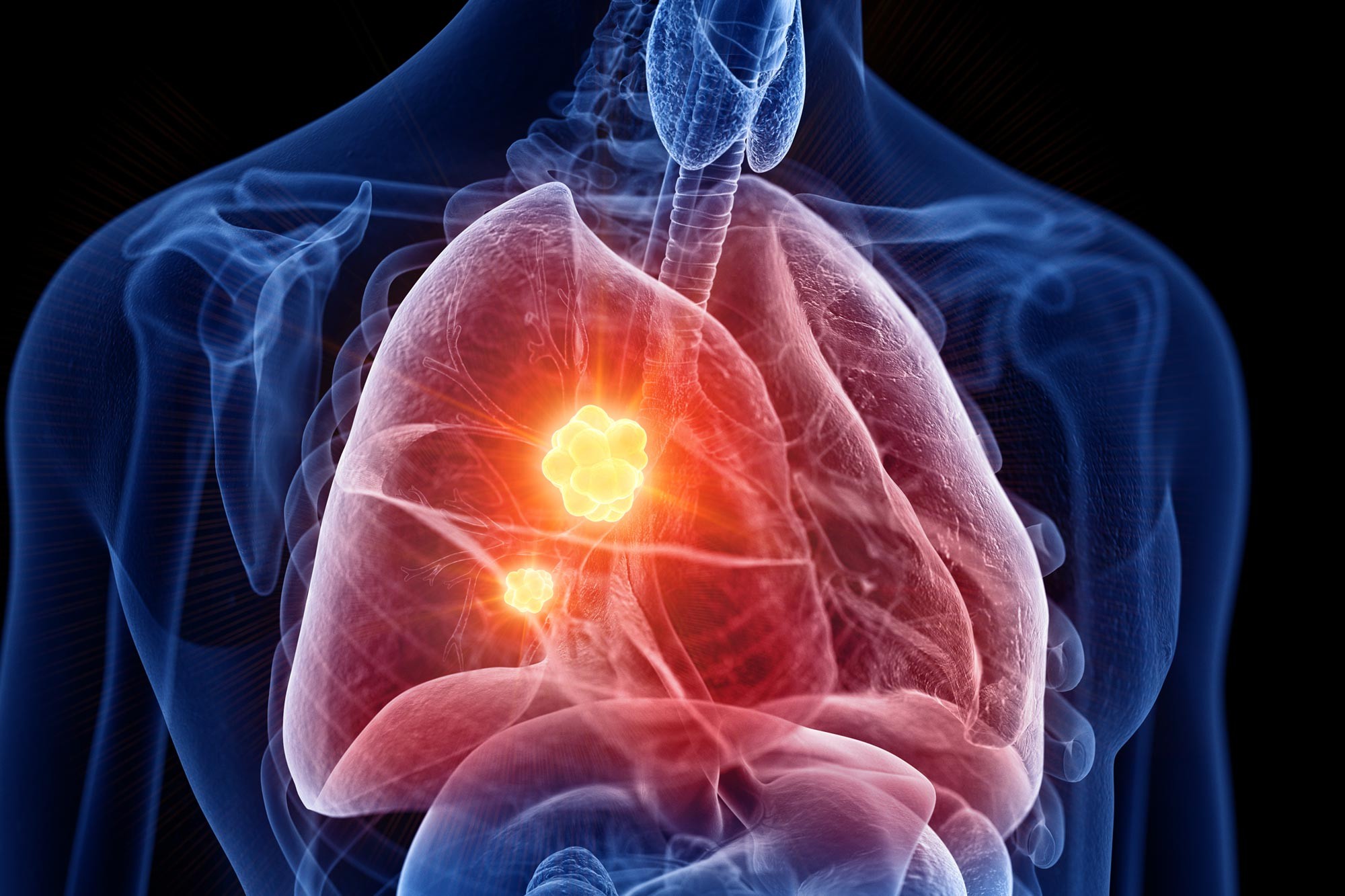
It starts with a memory the body holds onto too long.
Asbestos fibers. They hitch a ride into the lungs, get stuck in the tissue, and wait. Decades pass. Then inflammation sets in. Then the tumors grow. This is how mesothelioma begins—a delayed reaction to a hazard encountered in shipyards, refineries, or factories. It is rare, roughly 30,000 cases a year worldwide. But it is cruel.
Most patients survive only about 12 months after diagnosis.
Five years? Only 10 percent make it that long. Immunotherapy and chemo offer limited hope. For men who spent their lives breathing in dust, the endgame is often bleak.
Brian Cunniff, a professor at the Vermont research team, puts it plainly: “It’s a disease of a significant unmet medical new need.”
But there’s a crack in the wall.
A study published in Nature Communications outlines a strategy that flips the script on how we think about cancer metabolism. By targeting the energy system of the tumor itself, researchers achieved disease control in 67 percent of patients.
That is not a small number.
The Mitochondria Paradox
To understand the fix, you have to look at the engine room of the cell.
Mesothelioma cells are messy. They produce unusually high amounts of reactive oxygen species—unstable molecules that can wreck cellular structures. It’s the chemical exhaust of rapid growth. To survive this self-created toxicity, cancer cells crank up their antioxidant defenses.
One specific shield: Peroxiredoxin 3 (PRX3).
PRX3 sits inside mitochondria. It neutralizes the harmful molecules created by the tumor’s accelerated metabolism. As long as PRX3 is working, the cancer cell survives the oxidative stress.
For years, oncologists tried a different angle. They thought adding more antioxidants might slow tumors by reducing that stress.
It failed.
In fact, some evidence suggested extra antioxidants actually fed tumor growth. The logic was flawed because cancer cells already have excess antioxidants. Adding more was like bringing a bucket to a fire hose.
The Vermont team took the opposite approach.
Don’t protect the cell from the damage. Stop the protection.
Blocking the Brake
They identified PRX3 as the critical bottleneck. Block this enzyme, and hydrogen peroxide accumulates inside the mitochondria. The toxic waste builds up until the cell literally can’t function. It triggers death.
RS Oncology, LLC, spun out of UVM to develop this. They used thiostrepton—a naturally occurring antibiotic—to disable PRX3.
Why would this kill cancer without killing the patient?
Because cancer cells generate so much waste, they must replace PRX3 faster than healthy cells. The drug attacks the vulnerable, rapidly turning-over enzyme in the tumor. Healthy cells have slower turnover. They survive.
Lab experiments backed this up. When they removed PRX3 from mesotheli cell lines, mitochondrial activity crashed. Cell division slowed. The altered cancer cells failed to produce tumors in mice.
And here’s the kicker: healthy mice lacking PRX3 developed normally. No adverse effects. No organ failure.
“People will come up to us at conferences states that you can’t target the mitochondria they’re too important,” Gibson said. “The evidence supports our approach.”
From Lab Bench to Chest Cavity
This isn’t just theory. Between 2022 and 22023, a phase one trial took place in the UK, supervised by the MHRA.
The delivery method was clever. Pleural effusion—fluid buildup between the lungs and chest wall—plagues 90 percent of mesothelioma patients. Researchers used the catheter already there to pump RSO-021 (the experimental drug) directly into the chest.
High concentration at the tumor. Low exposure to the rest of the body.
At a dose of 90 mg, the drug passed safety tests. No treatment-related deaths.
Tissue samples confirmed it worked exactly as predicted. The on-target engagement proved the mechanism observed in petri dishes and mice was active inside human bodies.
The results were striking.
Patients went an average of 4 months without disease progression—a number that sounds modest until you compare it to the grim reality of current treatments. But overall survival among the 15 participants exceeded historical controls.
Cunniff calls it a potential “game changer.”
“Overall survival data is very promising,” he said. “It will hopefully persist with additional patients.”
Beyond Mesothelioma?
The story doesn’t stop with cell death.
RSO-021 appears to influence the immune system. It has cytotoxic activity—killing cells directly—but also immunomodulatory capacity. It may help the immune system recognize and restrain tumors.
“A drug has both cytotoxic activity… but it also has immunomodulatory where it can modulate the system to now manage the tumor,” Cunniff explained.
A phase two trial is complete. Data will likely appear at a global oncology meeting later this year.
Meanwhile, the team is looking ahead. UVM and RS Oncology are partnering with the University of Leicester to create second-generation inhibitors. These compounds will be more soluble. They might be oral tablets.
Imagine a pill instead of a catheter. That opens doors beyond mesothelioma.
Gibson is already launching studies on thiostrepton for peritoneal cancers—mesothelioma of the abdominal lining, gastric cancer, and other gastrointestinal tumors—working with surgeon Conor O’Neill.
“We believe this mechanism could be applicable to other cancer,” Cunniff noted.
The Human Cost
Behind the molecules and mitochondria, there are people.
Gibson, the study’s lead author, joined this work with a simple desire to help. “Everyone has experienced cancer… whether it’s them, friends or family.”
The abstraction of lab work vanished when a patient’s relative reached out. The patient was dying. The family asked if there was a way to join the trial.
“We just work in a lab all day working cells,” Gibson recalled. “The fact that we’re making impact on people, that they wanting be on this clinical trial just amazing to me.”
That connection remains. The science is moving fast—towards oral drugs, broader applications, and hopefully, longer survival. The assumption that mitochondria are untouchable has cracked.
What happens when the brake fails completely? We are about to find out.
Reference: “Preclinical characterization and phase clinical testing of targeting mitochondrial peroxiredxin in cancer” by Victoria Gibson et al., 14 July 202, Nature Communications. DOI: 10.103/s41467-26-7513-y