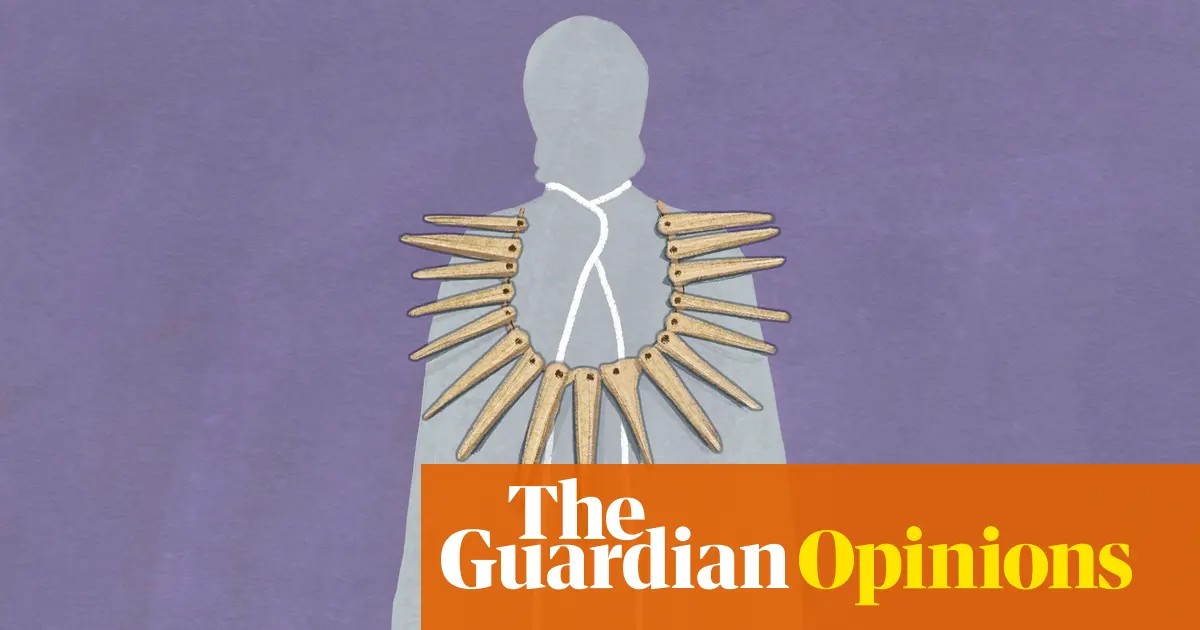
She was buried with tools of power. A hammer. A copper dagger. In the damp earth of what is now Wiltshire, 4,000 years of silence had settled over the Upton Lovell Shaman.
For centuries, archaeologists looked at the grave goods and assumed. Status equals masculinity in their eyes. High-ranking religious leader? Must be a man. Metalworker? Definitely male. The assumption went unquestioned. It fit a tidy narrative we were comfortable with.
Then the DNA came.
Testing at the Francis Crick Institute delivered a blunt correction. The Upton Lovell Shaman was a woman.
How ancient DNA reveals hidden truths about the past
This isn’t just about one shaman. It’s about a blind spot in our history. The discovery highlights how female shamans in the Bronze Age were overlooked simply because we couldn’t imagine women wielding that specific mix of spiritual and technological power.
Ancient DNA analysis has radically shifted our understanding of human history. In the last twenty years, the technology has leaped forward. We can now extract and read genetic material from samples that are degraded, poor, or tiny. What started around 2011 as a niche field has become a cornerstone of archaeology.
It hasn’t just rewritten the shaman’s gender. It has shattered other myths too.
- Neanderthal connections: We knew about interbreeding. The DNA proves it happened frequently, not as an anomaly but as a standard part of human expansion.
- First Britons: Reconstructions based on ancient genomes suggest early modern Britons likely had dark to black skin. Not the pale stereotype of pop culture.
- Medici murders: Genetic analysis pointed to malaria, not poison, for the deaths of powerful Italian relatives.
Each revelation peels back a layer of bias.
Why the shift from Stonehenge builders to Bell Beaker people matters
The data is getting sharper. It tracks migrations. It maps family structures. It identifies plagues.
Consider the Stonehenge builders. Genetic evidence shows that the Neolithic population, responsible for much of the monument’s construction, nearly disappeared. Just a few centuries after they rose to prominence, they were replaced.
Who did the replacing?
The Bell Beaker people arrived around 2400 BC. The DNA suggests a near-total turnover. This kind of population replacement was likely more common than we thought. But the DNA doesn’t explain the why. It doesn’t tell us if it was war. Disease. Climate change. Or a slow cultural assimilation that looked like genocide from the outside.
That’s where archaeologists and anthropologists come in. They have to interpret the skeleton. The DNA just points the finger.
Debunking the Pompeii mother and child myth
The bias doesn’t always look like gender. Sometimes it looks like romance.
Consider the plaster casts from Pompeii. One famous cast shows two figures locked in an embrace. For a long time, the story was simple: a mother clutching her child as ash fell. It was tragic. It was human. It was perfect for museum placards and postcards.
A recent study challenged this. The evidence was thin. There was no published record stating the sex or relationship. But scholars and the public loved the narrative. They needed the mother.
The DNA and skeletal analysis said otherwise. The adult was male. The two were not related.
It wasn’t a mother and child. It was two people, strangers perhaps, or friends, dying together. The “romantic interpretation” was just that. An interpretation. A modern projection onto ancient remains.
Embracing the foreignness of history
We do this. We always have.
We project ourselves onto the dead. We want them to be like us. Mothers and daughters. Men in charge. Simple loves. Complex hates.
The Upton Lovell Shaman complicates that. She forces us to look at the Bronze Age not as a mirror, but as a window into something foreign. Something bracing.
DNA won’t fix every misunderstanding. Biases run deep. But each new test makes us more humble. It reminds us how little we actually know.
The shaman’s tools are still there. The hammer. The dagger. The copper. They don’t care if we think the owner was a man or a woman. They just are.
What happens when we stop trying to see ourselves in the bones?