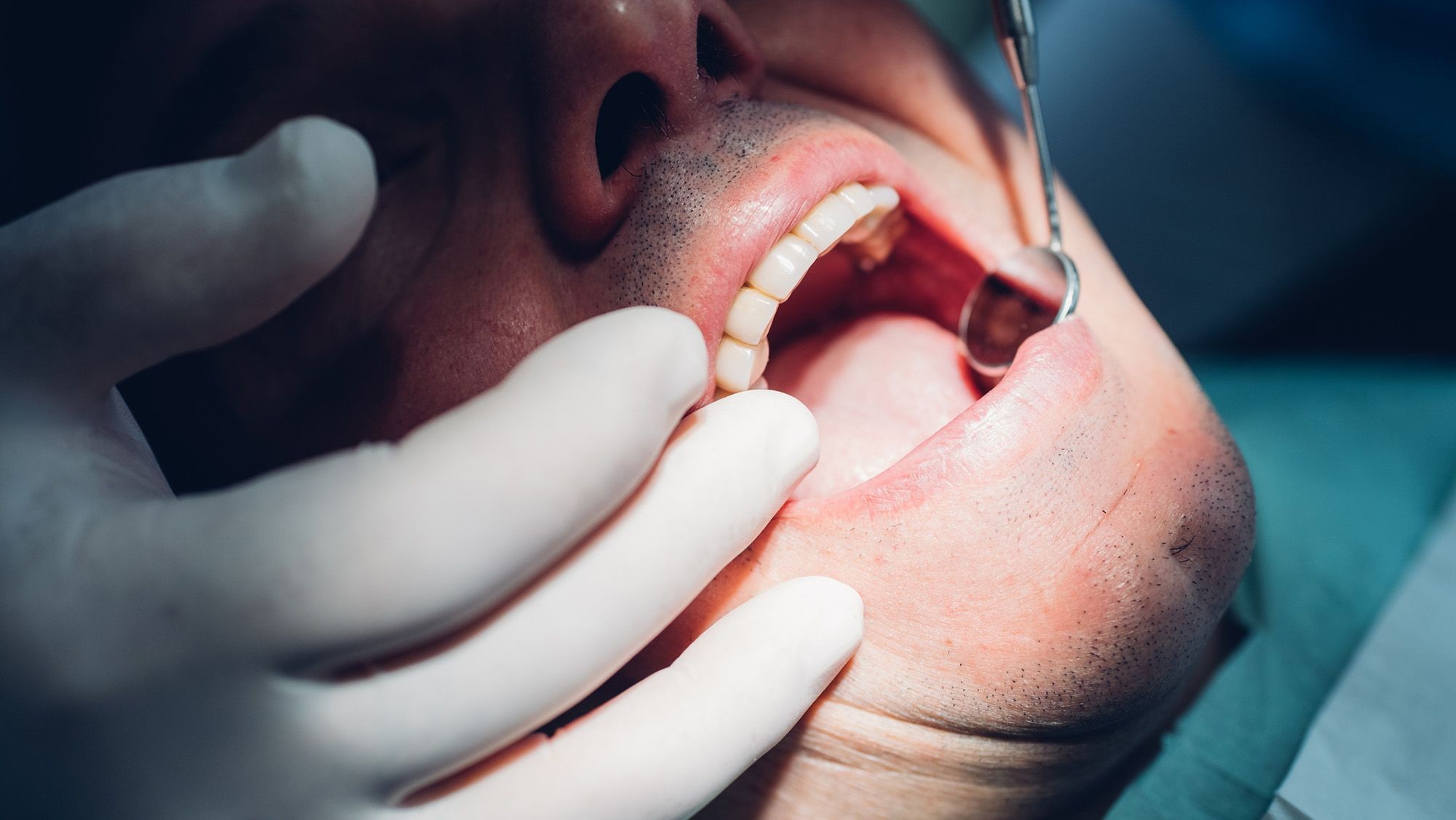
The bacteria causing gum disease might also be stiffening your heart valves. Preliminary research suggests Porphyromonas gingivalis, the main culprit in severe periodontitis, contributes to calcific aortic valve disease. This finding helps explain why oral health issues often parallel poor heart health.
Scientists have long connected severe gum disease to systemic inflammation. It raises the risk of coronary artery disease and heart attacks. Treating gum problems can actually improve blood-vessel health. But a new study points to a specific mechanism: direct bacterial invasion.
How Oral Bacteria Trigger Heart Valve Damage
The research, presented at the American Heart Association meeting in Boston, has not yet been peer-reviewed. However, the biological pathway it describes is compelling.
Dr. Elena Aikawa of Harvard Medical School noted these findings align with the view that calcific aortic valve disease is inflammation-driven, not just “wear and tear.” Periodontal disease isn’t the only cause, but it adds to a biologically plausible chain of events.
Here is what the study found regarding the mechanics:
- Detection : Researchers at Fuwai Hospital in Beijing examined heart valve tissue from surgeries. They looked for P. gingivalis.
- Abundance : Calcified valves had 30 times more bacterial DNA and proteins than non-calcified ones.
- Direct Impact : Injecting live bacteria into healthy mice triggered inflammation and calcium buildup in the valves.
- The Switch : The bacteria ramped up interleukin-1 beta. This signal turned healthy valve cells into bone-building cells.
- Blockade : Blocking that specific immune signal prevented calcification, even when bacteria were present.
“We were surprised to see valve calcification in mice without high cholesterol,” said study first author Dr. Chenyang Li. “This suggests P. gingivalis may directly contribute to valve disease beyond traditional risk factors.”
Why This Pathway Matters
Calcific aortic valve disease affects millions. There are currently no approved drugs to slow it. As it worsens, patients face fatigue, shortness of breath, and chest pain. Often, the only fix is valve-replacement surgery.
The new data suggests a specific intervention target. If interleukin-1 beta drives the damage, could blocking it help?
Mice given antibiotics before bacterial injection showed less valve damage and slower progression. Mice injected with dead bacteria showed no changes. This confirms live, active infection is key to the process.
Dr. Richard Lamont from the University of Louisville emphasized that mouth bacteria and inflammatory signals can enter the bloodstream. Over time, they reshape how the immune system behaves. But he cautioned that mice oral microbiomes differ significantly from humans. The exact same process may not occur in people.
That said, the team saw the same pattern in lab-grown human valve cells. Bacterial exposure increased inflammation and calcium. Blocking the immune signal blunted those effects.
The Bigger Picture
This isn’t about panic. Periodontal disease is just one contributor among many. But identifying a clear, direct pathway opens new doors for prevention and treatment.
“The findings give researchers a new pathway to explore… raising questions of whether targeting inflammatory signals… could help slow the progression,” said Lamont.
Both experts agree more research is needed. The mouse data strengthens the case for a direct link. The human cell data supports the biological plausibility. But confirmation in human trials is still pending.
We know the heart is the body’s hardest-working muscle. We also know our mouth is a gateway to the rest of the body. If gum disease bacteria are literally building calcium deposits on your heart valves, maintaining oral hygiene moves from “nice to have” to medically urgent.
The bacteria are there. They are active. And they seem to know exactly where to go.