For ten days starting April 1, 2028, the entire planet looked up. Not in panic, not in grief, but in wonder. NASA’s Artemis 2 mission circled the moon. It was the first crewed flight to cislunar space in over fifty years.
The dates aligned with Easter and Passover. The news cycles were brutal. Global conflicts dominated the headlines. They were heavy. They were draining. Then, Artemis 2 launched.
It offered a different vision. Not of division. But of shared risk. Shared purpose.
The astronauts were not just scientists. They were mirrors. They reflected what happens when humans work together toward a common future. We know about their scientific achievements. We know about the technical hurdles. What we often forget is the humanity on display. It was quiet. It was profound. It was perhaps the most significant part of the mission.
In an era of trillion-dollar AI IPOs and digital obsolescence, Artemis 2 reminded us that we are physical beings. We need each other. Christina Koch put it best during the translunar injection burn. She said they weren’t leaving Earth. They were choosing it. That distinction matters. It grounds the mission in reality.
The Glitch That Humanized the Void
You cannot simulate the reality of spaceflight until you live it. The Artemis 2 livestream exposed the messy, unglamorous side of deep space travel.
Consider the toilet.
Hours after launch. Day three. The new NASA toilet model failed. It developed issues. Then it stopped working entirely. Journalists lost their minds. Experts were called in. Was it functional? Could the astronauts manage? Was there a burning smell?
It sounds absurd. It was absurd. But it was also deeply human.
Space is not just about high-tech engineering. It is about biology. It is about the body. The mission brought these challenges into our living rooms. It broke the myth of the unfeeling, unbreathing robot-astronaut. They were people. They needed to go to the bathroom. They struggled with it. They laughed about it. That laughter was a tether.
When Canadian Prime Minister Mark Carney asked if the crew preferred maple syrup or Nutella on their pancakes, the astronauts burst out laughing. A few seconds later, the media in the room chuckled. That delay. That lag. It wasn’t a glitch. It was a feature. It reminded viewers that these humans were light-minutes away. They were real. They were eating breakfast while orbiting a dead world.
Blackouts and Bonding
The mission taught us about waiting.
The Orion spacecraft experienced a 40-minute blackout when it passed behind the moon. The crew went dark. The world watched and waited. There were 6-minute blackouts during critical burns and re-entry.
In a culture obsessed with instantaneity, this was radical. We had to pause. We had to trust the process. We had to hold our breath.
This lag will only get worse as we travel further. To Mars? To the outer planets? The delay will be minutes. Or hours. But Artemis 2 showed us that this distance does not sever the bond. It strengthens it. It demands attention. It forces us to be present for those in space, rather than ignoring them until they check in.
Communication is not just data transfer. It is fellowship. The viewership grew throughout the mission. From launch to splashdown, engagement climbed. We stayed with them. We suffered the blackouts with them. We celebrated the burns with them.
Exercise in the Dark
The astronauts were also fighting their own bodies. Microgravity is a killer. Bone density loss. Cardiovascular decline. Muscle atrophy.
They exercised daily. Mandatory routines. One person at a time. Space is tight. Carbon dioxide buildup is a real risk. You can’t have everyone panting and sweating in one small capsule. It’s dangerous. It’s claustrophobic. It’s exhausting.
The visuals were striking. Orion rocking. Earth in the background. The moon looming. Dark. Cold. Beautiful. The astronauts were tiny specks against that vastness. And yet, they were doing push-ups. Reading books. Sleeping. Living.
It was a reminder that survival in space is not a single grand moment. It is a thousand small, repetitive acts. Staying alive is hard work. The astronauts made it look routine. Because for them, it had to be.
The Poetry of Space
Commander Reed Wiseman was moved. During the TLI, he offered impromptu words of gratitude. Thousands of engineers. Technicians. Staff. He thanked them all. Spontaneous. Raw. Real.
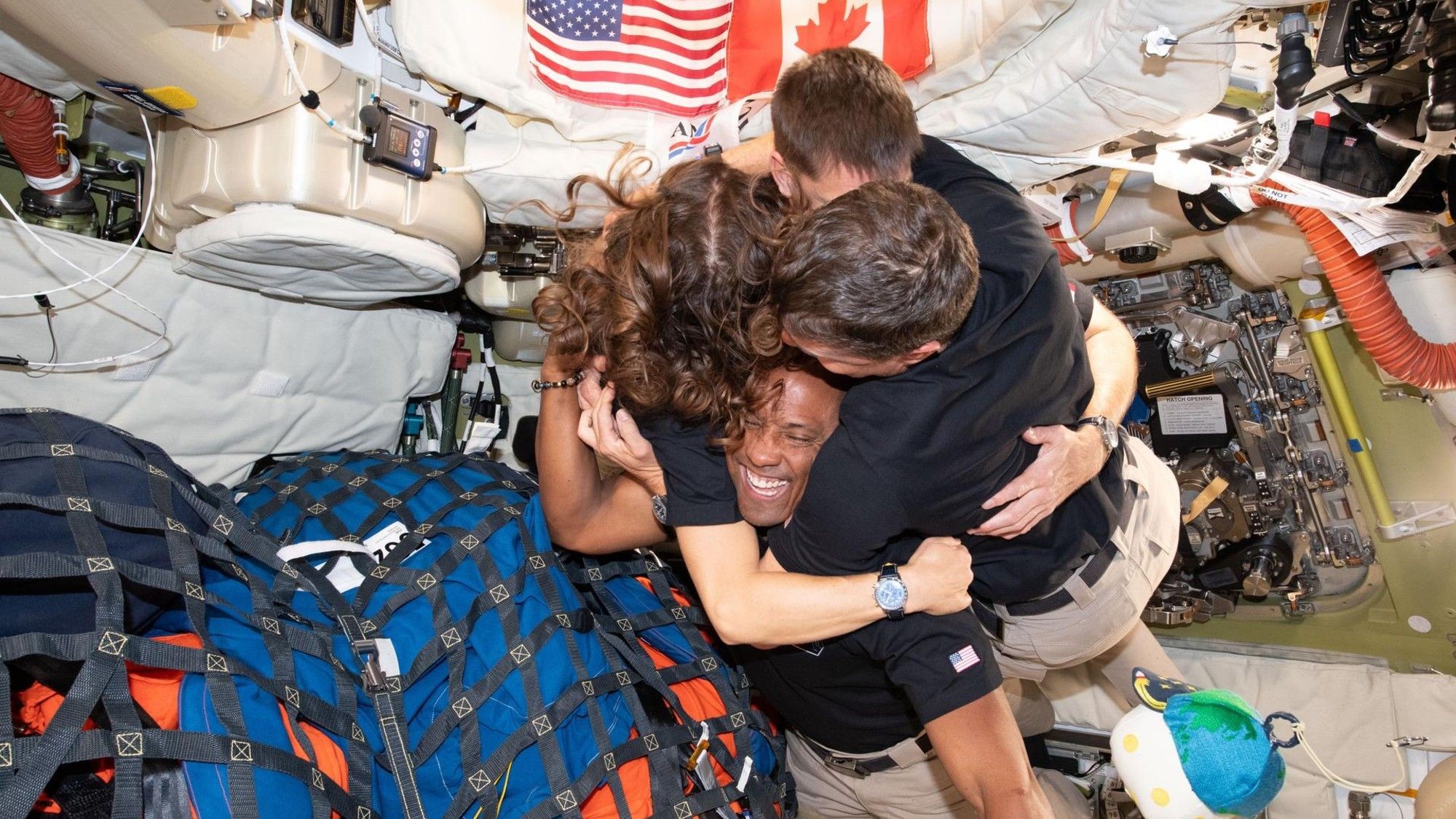
The astronauts named craters on the far side of the Moon. One was dedicated to Wiseman’s deceased wife, Carroll. They wept. They hugged. They shared their grief with a global audience. This was unscripted. It was not in the flight manual. It was in the human heart.
Wiseman received a note at the airport later. Handwritten. On a boarding pass. “Thank you for reminding us about joy and the universe again.”
That is the takeaway. Not the engineering stats. Not the orbital mechanics. The joy.
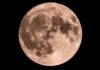
The astronauts ran out of words when they saw the colors on the lunar craters. Earth sees a gray, barren rock. They saw shades. They called for new language. We need new language to describe these places. New metaphors. New poetry.
NASA is asking for filmmakers. Poets. Songwriters. The dearmoon mission was canceled, but the need for art remains. We are sending humans. We should send stories with them.
Think back to the movie Contact. Based on Carl Sagan’s book. Dr. Ellie Arroway returns from the stars. She is overwhelmed. She says, in a choked voice, “They should have sent a poet.”
For Artemis 2, we did. We sent four.