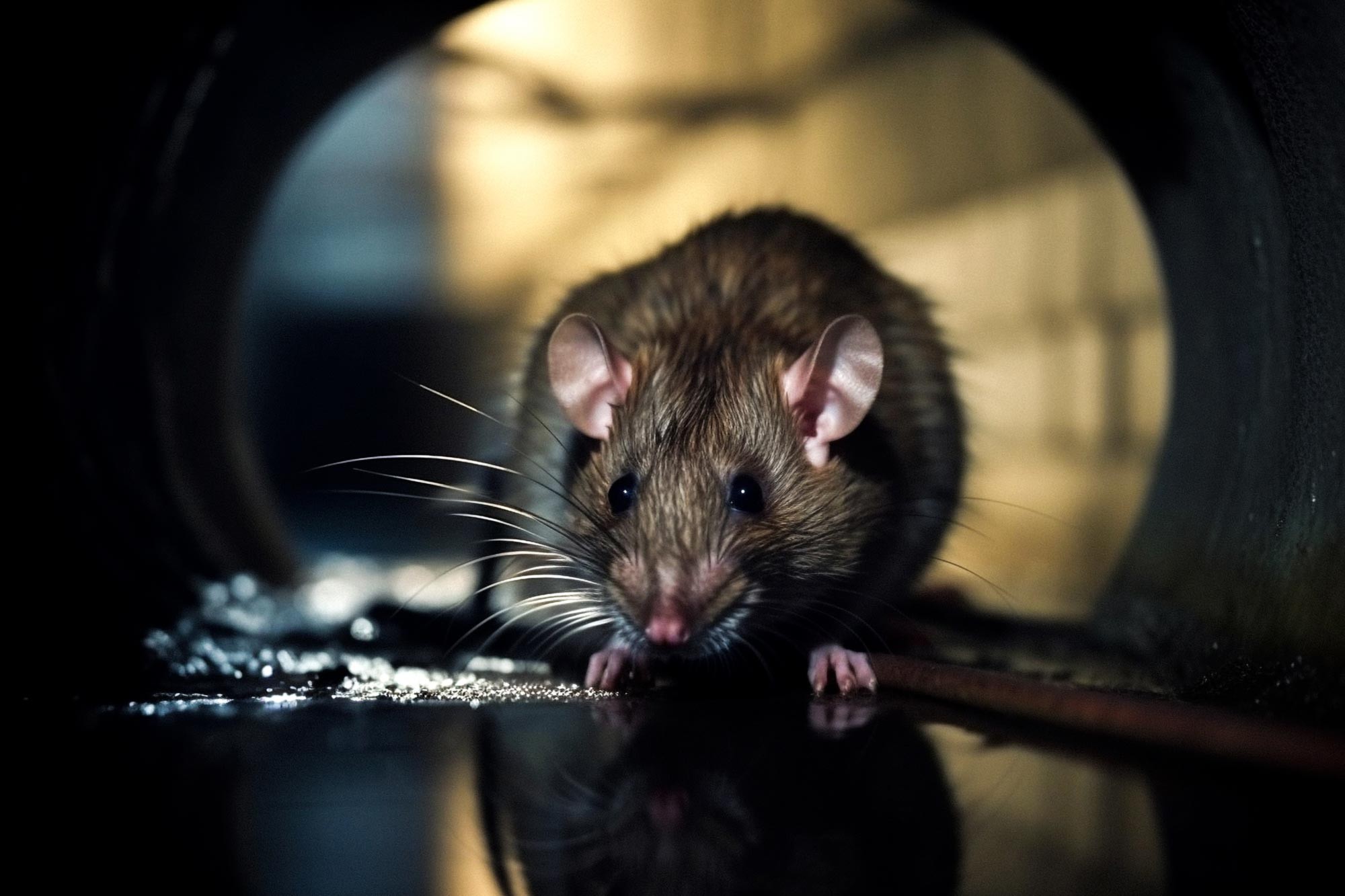
The poison doesn’t always kill. It filters.
If a mouse eats the bait and lives, it passes that survival to its kids. That is not a hypothetical. That is happening in the Northeast.
Pest control pros in New York, Jersey, Pennsylvania, D.C. — they’ve been saying things are harder. The standard sprays and poisons aren’t doing the trick like they used to. Researchers at Rutgers thought the reports might be exaggerated.
They weren’t.
The Data Is Brutal
The study looked at 147 house mice. 123 of them?
84 percent carried a genetic mutation linked to rodenticide resistance.
Ninety-six percent? Just shy. Nearly 70 percent had mutations specifically tied to surviving the most common anticoagulant poisons used in the US.
These poisons work by messing with blood clotting. The mice found a workaround at the DNA level.
Jin-Jia Yu, the lead researcher, didn’t start this study for fun. She started it because pros told her the tricks weren’t working anymore.
“Pest management professionals often told us… even though they applied the effective rodesticides.”
She wanted proof. The proof came out in Pest Management Science.
What about the rats? The Norway rats? They showed up less in the data.
35 percent of the 143 rats tested carried the mutation. But the data is muddy here. We don’t know for sure if those specific rat mutations actually grant resistance or are just genetic noise.
Yu said the resistance in mice is widespread. In rats, we are still guessing.
New Mutations. New Problems.
It gets weirder.
The team found genetic variants nobody had seen before. Not in mice. Not in rats.
Is this new DNA helping them survive?
We don’t know yet. Finding the code is step one. Proving the code grants immunity is step two. That takes more lab time.
The question that drove the research was simple.
Is it behavior? Are rats just smart? Are they hiding the food? Or is their biology changing?
For mice, biology is definitely part of the answer.
How It Spreads
This is evolution on a deadline.
You spray poison. The weak die. The strong survive. The strong breed. The next generation is harder to kill.
This is what happens when you use the same trick over and over for decades.
But it isn’t only genetics. Rodents are tricky.
They avoid bait. They eat garbage. They sneak through hairline cracks. If your kitchen is a mess, the poison doesn’t matter much because the food source is right there.
However.
Genetics makes the existing problems worse. You kill the vulnerable mice. The tolerant ones remain. Then they multiply.
Why the difference between mice and rats?
Behavior.
Mice are curious. They touch the bait. They taste the bait. This repeated exposure puts massive pressure on their population to adapt.
Rats are suspicious. They watch the bait for days. This trait is called neophobia. It makes them hard to trap anyway.
“Rats are very clever… They will approach the novel food many times.”
Because they hesitate, they survive the initial poison exposure. They don’t need genetic shields as badly as the eager mice.
Health, Money, Mess
This isn’t just about bugs. It’s about health.
Mice contaminate food. They chew wires. They carry diseases.
In a city like NYC or Philadelphia, if control becomes even 10% less effective, the cost explodes.
Infestations last longer. Workers work more hours. More poison goes into the air.
Yu said this data is crucial for local health agencies. It explains why Treatment A works in Brooklyn but fails in Queens. Populations are local. They evolve locally.
Resistance might exist on your street but not on the next one.
Stop Poisoning, Start Managing
Changlu Wang, the lab head, isn’t surprised. He’s tired.
“As resistance becomes more common… use science-based management.”
The old way relies too heavily on chemicals. The new way?
Integrated pest management.
It sounds boring. It is vital.
Close the gaps around your pipes. Remove the water source. Fix your trash storage. Reduce clutter. Use traps when you see movement.
Don’t just wait for them to die.
Make your building inhospitable.
The goal shifts. It is not just about killing what is already inside. It is about making sure they cannot come inside in the first place.
The genetics won’t stop evolving.
So our methods shouldn’t stand still.