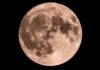


The moon isn’t hiding tonight. It’s just small.
A waxing crescent hangs there on Thursday, May 21. Twenty-seven percent illuminated, according to NASA’s Daily Moon Guide. The number creeps up every night. The cycle is short. Roughly a month from new to full again.
Tonight you can actually see features with your own eyes. No gear needed.
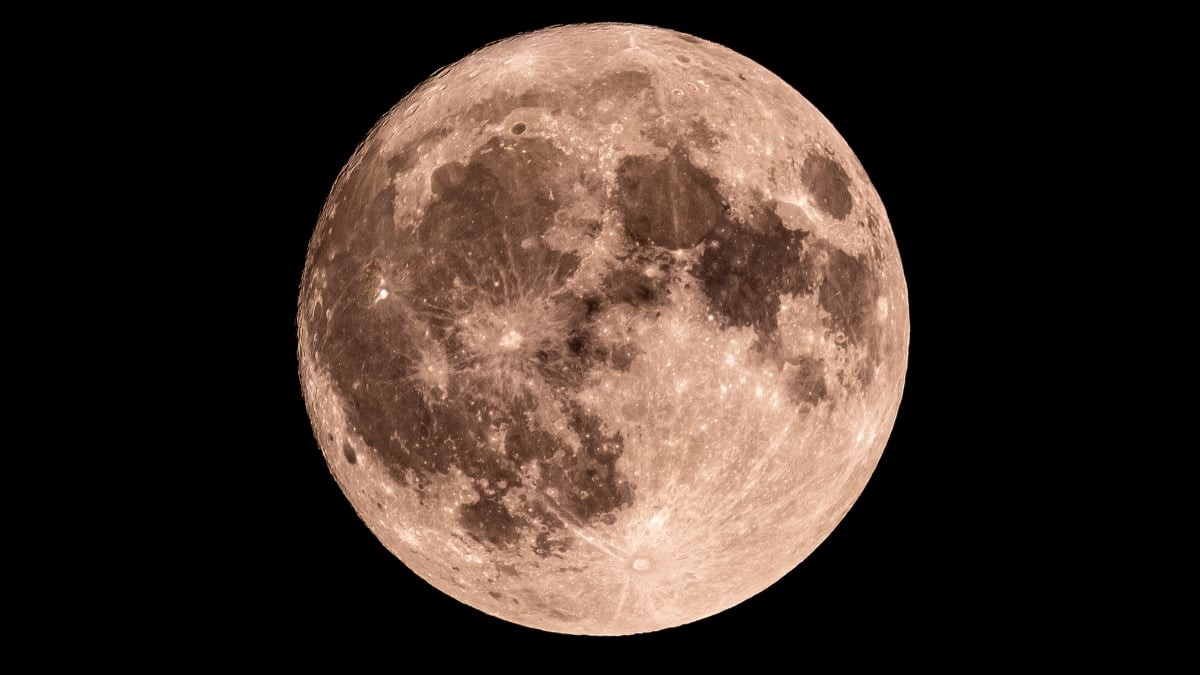
Look closely at the dark patches near the lighted edge. The Mares Crisium. The Fecunditatis too. Want more? Binoculars or a small telescope will reveal the Endymion crater. It’s pretty dramatic when you finally spot it.
Two Full Moons? Yes
May is weird for the moon. This year holds two Full Moons.
One passed already. The next hits May 31. Ten days from now.
The Math of Night
Orbit time. 29.5 days.
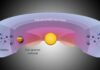
Eight phases in that span. The same face always points at us, tidally locked and stubborn. The light changes. That’s the trick. The angle of sunlight shifts as the moon orbits, carving out those familiar shapes we stare at from backyards everywhere.
Here is how it breaks down:
- New Moon : Invisible. Earth is between us and the light source.
- Waxing Crescent : A sliver on the right (if you are north of the equator).
- First Quarter : Half lit. Right side bright.
- Waxing Gibbous : More than half, less than all. Growing fat with light.
- Full Moon : Completely bright. No shadows hiding anything.
- Waning Gibbous : Shrinking. Light recedes from the right.
- Third Quarter : Half again, but the left side shines.
- Waning Crescent : The final sliver before darkness wins again.
Does it matter what phase it is? Maybe. It affects the tides, at least. And it makes the sky look different from month to month. The dark patches look deeper against a bright full face than against a thin crescent. It’s all the same rock, after all. Just a different lighting setup.