It’s £10.2 billion. That is what the green transition is currently worth to the Scottish economy, according to the CBI. And it isn’t just abstract potential, it’s real money sitting in accounts and flowing to wages. The numbers back it up, too, with over 105,001 jobs tied to these industries.
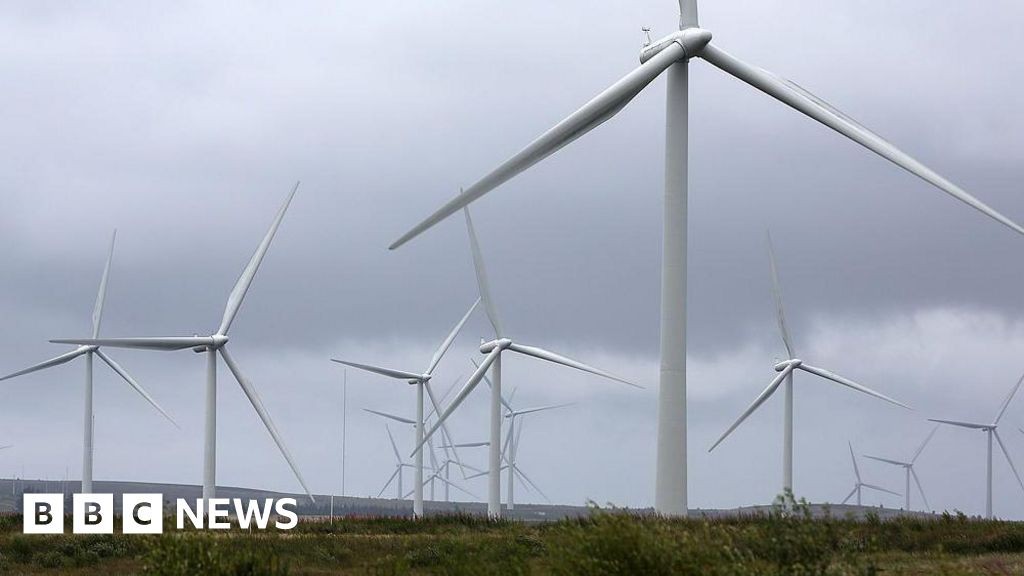
Wind farms. Hydropower stations. Domestic solar panels bolted to roofs by locals who need to stay warm.
The Confederation of British Industry says this sector makes up 4.9% of total economic output in Scotland. For perspective? That is more than double the share of agriculture. Farmers have worked that land for generations, but right now the trees and turbines are paying better dividends.
Perth and Kinross is the anomaly that proves the rule. Twelve percent of its local economy runs on net-zero work. Most other places can’t touch that.
The targets
Net-zero is a cold phrase for a heated problem. It means Scotland stops adding greenhouse gases to an already overloaded atmosphere. The UK has promised to hit this line by 2050, legally bound. Scotland? They want to get there by 2045. They have more land for planting trees, they say. More capacity to suck the carbon back out of the air.
This data complicates the usual narrative about oil and gas deaths. Everyone hears about 1,000 losses a month. Valid concern. But the green side isn’t empty, there are over 3,000 companies working this space. Small businesses, mostly. Sprayed across the map like seeds.
Gensource
Take Gensource. Located in Musselburgh. They put in EV chargers and solar tech. Four years ago it was just two guys in a bedroom. Now it’s twenty workers plus apprentices. That’s fast.
Orders didn’t trickle in. They spiked. Specifically when energy prices went insane during Russia’s invasion of Ukraine. Then again during the tensions with Iran recently. Geopolitics hurts pockets. It pushes people toward stability.
Josh King, a director at Gensource, puts it simply. Price instability drives demand. People want cheap bills and no shocks.
“Renewables can help deliver that.”
Political friction
Scientists are loud on this one. Net-zero is the only shield against wildfires, floods, and extreme heat. You either do it or you don’t survive the next fifty years well. But the political mood is fracturing. The Conservatives and Reform UK argue the bill is too high. They say the country can’t afford the transition.
Affordability is always in the eye of the beholder. Especially when salaries tell a different story. Average earnings in the green sector are £41,000. That is 5.2% higher than the Scottish average. It reflects skill levels, engineering degrees, and actual utility.
The geography of work matters here. Perth leans on hydropower—old tech, new management—and wind farms like the Griffin Scheme. Aberdeen looks out to sea. Offshore wind, hydrogen production, capturing carbon. East Lothian focuses on moving the electricity, the wires, the transmission lines.
The pipeline for future investment is £211 billion. About a third of the UK’s total green spending.
The consensus is thinning while the infrastructure thickens. Money moves one way, political support moves the other.
What happens when the bills arrive and the promises fade?
Nobody seems ready to say.