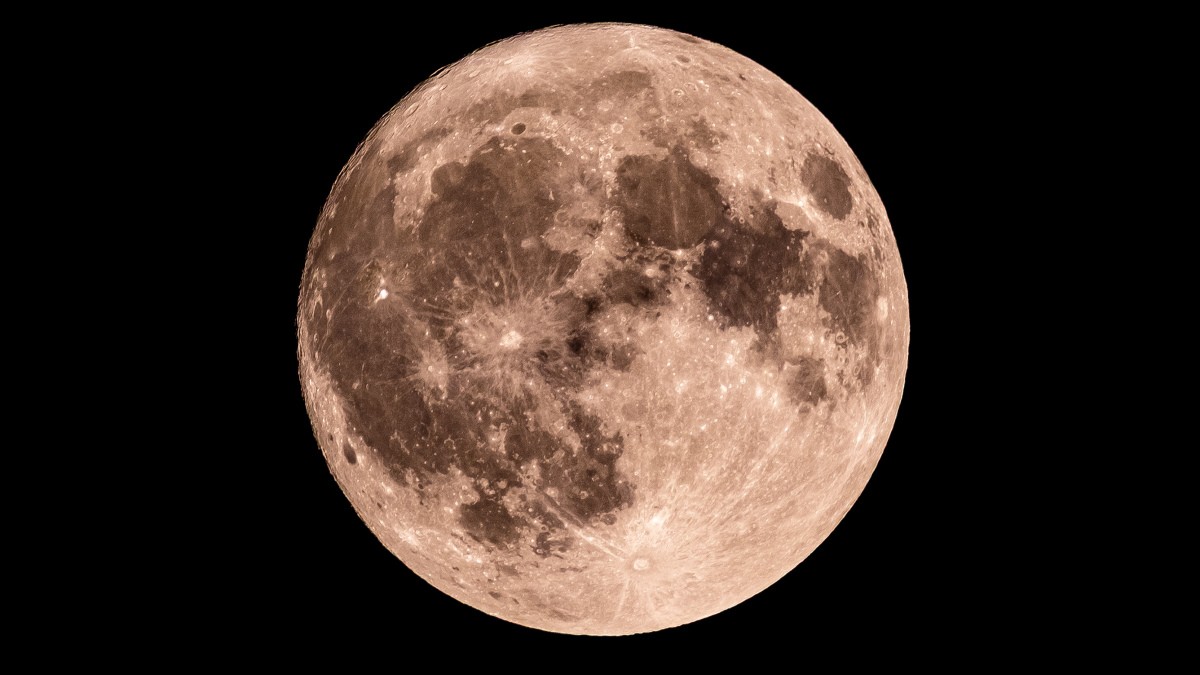
The moon changes every night. Not in some mystical way. Just physics. Light hitting rock from a certain angle. We’re on day 20 right now of the 29.5-day lunar cycle. Getting close to the Third Quarter. That’s the half-moon moment. But for tonight, July 5, it’s still bigger than that.
What are we looking at?
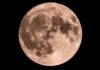
NASA’s Daily Moon Guide puts us squarely in the Waning Gibbous phase. Roughly 75% of the surface is lit. It’s shrinking. Slowly. But it’s still plenty visible.
Want to know what’s actually down there? You don’t need a spaceship. Just look up. With naked eyes you can spot Mare Vaporum. The Aristarchus Plateau. Maybe even Tycho Crater if the sky is clear enough. Grab some binoculars and things get clearer. You’ll catch the dark patch of Mare Humorum. There’s the Alphonsus Crater and the Grimaldi Basin. They stand out because they’re old.
Get out a telescope? Now we’re talking. You see the Apollo 16 landing site. A reminder of where humans have stood. Plus the Schiller Crater and the Fra Mauro Highlands. It’s a crowded sky out there.
The Full Moon waits
You might be waiting for that big round one. Don’t hold your breath yet. The next Full Moon isn’t until July 29. Three more weeks. Give or take a night depending on when the sun sets in your corner of the world.
How this nonsense works
Why does it look different each day? It’s simple really. The Moon orbits Earth once every 29.5 or so days. The same side always faces us. Tidal locking. But the sun? The sun is busy lighting up different parts as the Moon travels around the planet. So the shape shifts. From a sliver. To a quarter. To full. Back to nothing.
That whole loop? The lunar cycle.
Here’s how the pieces break down if you care:
- New Moon — Earth and sun sandwich the Moon. The side we see is dark. Invisible basically.
- Waxing Crescent — A thin slice of light appears. On the right, if you’re in the Northern Hemisphere.
- First Quarter — Half the disk is lit. Looks like a Pac-Man without the eyes.
- Waxing Gibbous — More than half. Growing fat but not quite ready for prime time.
- Full Moon — The whole face lights up. The showstopper.
- Waning Gibbous — Where we are now. The right side starts to go dark. (Northern Hemisphere view again).
- Third Quarter — Also called Last Quarter. Another half-moon. But this time the left side shines.
- Waning Crescent — Just a sliver left. Left side only. Before it all goes black again.
Is there magic in the phases? Probably not. But there’s definitely light. And if you don’t look up, you’ll miss the crater.
The sky isn’t going anywhere. But it keeps changing anyway.