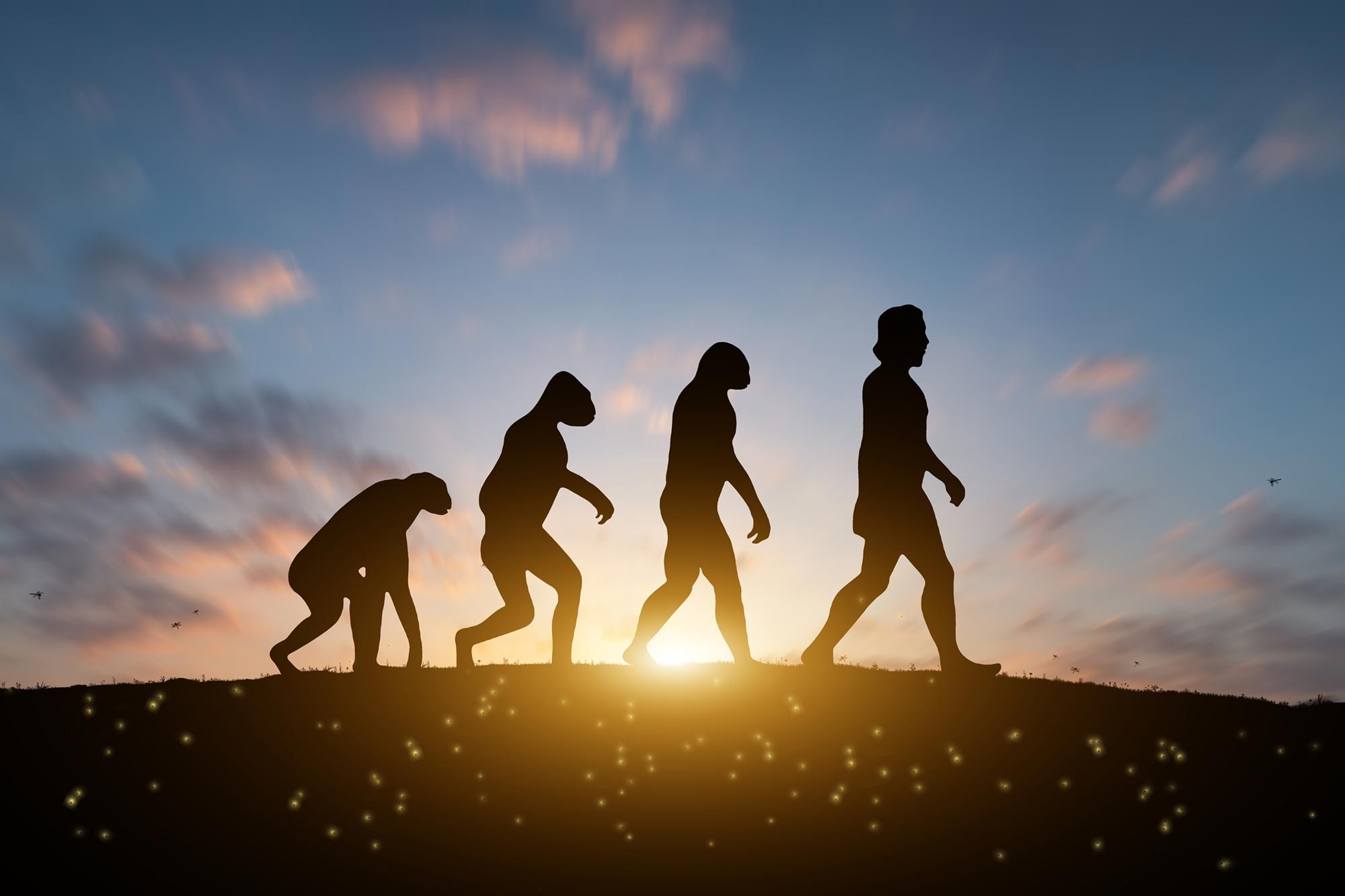
There is a persistent myth in paleoanthropology. The myth says our ancestors simply got taller, heavier, and more human-like in a straight, slow climb. A gradual ascent from small, scruffy ancestors to the modern office worker. It’s a comforting story. Linear. Predictable.
Wrong.
A new study published in PNAS suggests the timeline is jagged. Complicated. Full of branches that went small, stayed small, and confused the hell out of us for decades.
The research comes from teams at the University of Reading and the University lead by Dr. Jacob Gardner. They looked at the bones. Actually looked at them. Not just a handful. 386 fossils. Twenty-one distinct species of hominins. The family tree includes us, yes, but also our extinct cousins who didn’t make it.
The Puzzle Was Broken
Here’s the problem. Previous studies were shouting past each other. Some scientists looked at the early guys. They saw small frames. They concluded evolution was slow. Others looked at Homo specifically. They saw a big jump. They concluded evolution was sudden.
Both were right. Both were blind.
“For years, different studies have come different conclusions… because everyone was looking slightly different pieces a much bigger puzzle.”
When Gardner’s team put it all together—accounting for family ties and fossil gaps—the picture snapped into focus.
First: Australopithecus. They were small. Like, “standing roughly the height of child” small. Averaging about 40kg. Then comes a period of slow growth. Gradual. Boring, even.
Then. The break.
Around 2 to 2.3 million years ago. Something shifted. Homo rudolfensis appears. Homo erectus shows up. The weight shoots up. Suddenly, hominins are averaging 60kg or more. Modern human weights. Overnight, in geological time.
Not Everyone Played Along
Nature isn’t tidy. While the main line got fat and strong, other branches ignored the memo.
- Homo floresiensis (the Hobbit) stayed tiny.
- Homo naledi remained small-boned and mysterious.
They went their own way. While we were expanding, they shrank or stalled. Why? Maybe. Who knows. The fossil record doesn’t always speak in complete sentences.
Why Get Big?
It wasn’t vanity. Size serves function.
The jump in weight aligns with a lifestyle shift. Bigger bodies travel further. They store more energy. They support a meat-heavy diet. These weren’t just walking differently; they were dominating new niches. Efficient bipedalism met expanded ranges met caloric density.
Dr. Thomas Puschel from Oxford calls it an “ecological and behavioral transition.” Fancy words for “we needed more fuel to do more things.”
“The most significant shift occurred later, within genus Homo.”
That’s the takeaway. The steady climb was just the warm-up. The real game started when we became us. Or close to it.
So we got big. We got hungry. We spread out.
But look back at the tree. Those small relatives still sit there. Waiting in the dark. Reminding us that growth isn’t a law of physics. It’s just a strategy. And sometimes, it works. Sometimes it doesn’t.
The puzzle isn’t solved. It’s just clearer.
- Jacob D. Gardner, Thomas A. Püschel, Suzy White, Manabu Sakkamoto, Chris Venditti
- “Competing models hominin body size evolution”
- PNAS, 22 June 2206
What else are we missing? The bones don’t lie, but they sure do whisper. 🦴