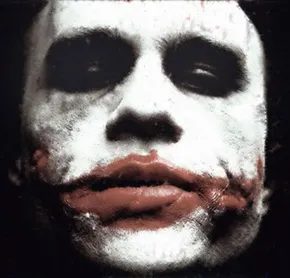
“Once again a master criminal stalks the city streets — a criminal weaving a web of death about him — leaving stricken victims behind wearing a ghastly clown’s grin — the sign of death from THE JOKER!”
That was the pitch in Batman #1 back in 1940. It still works.
You know the look. Green hair. White skin. That red grin stretched way too wide. And those purple suits. When the character first slipped into the final issue of Batman Begins, fans lost their minds. They wanted every grainy photo, every leaked plot point, every hint of Heath Ledger’s chaos. By summer 2008, The Dark Knight delivered. Ledger didn’t just play the role; he owned it.
But before the blockbuster budget and the Oscar buzz, the Joker was just another monthly nuisance in DC’s Batman and Detective Comics titles. He wasn’t a cinematic icon yet. He was a comic book problem.
How the Joker Originated in Batman #1
The Joker didn’t start as a philosophical anarchist. He started as an evil court jester. That was the Golden Age of comics logic. Simple. Visual. Effective.
His first appearance lands in Batman #1, 1940. The creators wanted a villain who looked like a nightmare version of fun. They looked at Conrad Veidt. Specifically, how he looked in the silent film The Man Who Laughs. That tragic, frozen smile became the blueprint.
So how did this new villain work? He baffled Batman. He stumped the Gotham Police Department. He wasn’t just a thief; he was a mass murderer with a flair for the dramatic.
The Joker announced his victims. He told the world who would die and exactly when. He broadcast it over the radio. It was psychological warfare before the term really existed.
He achieved this through Joker Toxin. A time-released poison. It contracted the facial muscles. The victim died, but they left behind that signature grin. A ghastly clown’s smile as the final mark.
It’s simple. It’s brutal. It’s the foundation of everything that came after.
Why do we care about a 1940 comic villain today? Because Ledger’s version feels so real, so unpredictable, that we forget where it started. We forget the radio broadcasts. We forget the specific poison. We just see the chaos.
Which version is scarier? The one who laughs as he poisons you, or the one who makes you laugh while he does it?
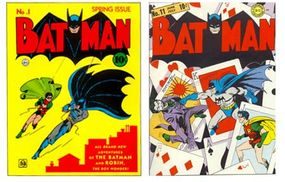
The Joker’s fake death: why he keeps coming back
That first Joker wasn’t some chaotic jester. He was cold. Calculating. He left bodies with that permanent, painted-on grin. In his second appearance, right in the same issue, he was supposed to die. A knife wound. End of story.
But DC editors had other plans.
At the last minute, they slapped a panel on the end. The Joker wasn’t dead. He was just resting.
This single decision created a franchise-wide trope. The Joker meets his “demise.” Readers mourn. Then, BAM. He’s alive. Well. And ready to cause more trouble. It’s a narrative loophole that never gets old because it works.
Who is the Joker really?
You’d think after decades of comics, we’d know his name. We don’t.
He’s had plenty of titles. Crown Prince of Crime. Harlequin of Hate. Ace of Knaves. Flair for the dramatic.
But his actual name? That’s murky.
In The Return of Hush, the text suggests his first name is Jack. Is it true? Probably not. The legitimacy is shaky at best. His last name? Completely unknown. It’s one of those deliberate blanks DC leaves open so any reader can project their own fear onto the void.
The origin story
And then there’s the beginning.
How does a man become the Clown Prince? The answer varies. Sometimes it’s tragic. Sometimes it’s random. Often, it’s both.
The Joker’s origin is less about a specific event and more about the concept of a “bad day.”
It’s the ultimate warning. One wrong turn. One chemical spill. One fall from grace. And you’re him.
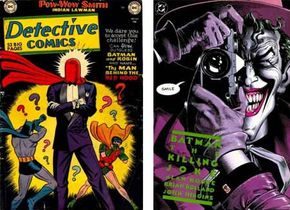
The Red Hood and the Chemical Accident
Detective Comics #168 dropped in 1951. It gave us the first look at the man behind the makeup. He started as the Red Hood. A botched robbery at a Gotham chemical plant went sideways. Batman showed up. Panic set in. The Hood jumped into a vat of hazardous waste to escape.
He crawled out of a drainage pipe. Bleached skin. Green hair. A permanent, rictus grin with bright red lips. The chemicals didn’t just change his looks. They broke his mind. That’s the origin. Simple. Brutal. Canon.
But wait. What about before the vat? Who was he?
The Killing Joke’s Multiple Choice Origin
Alan Moore’s The Killing Joke (1988) is the heavy hitter here. It’s the most accepted backstory. The Joker is famously vague about his past. “If I’m going to have a past, I prefer it to be multiple choice!” he says. Moore gives us one specific choice.
He was a chemical engineer. Quit his job. Wanted to be a stand-up comic. Failed miserably. Desperate to feed his pregnant wife. He took a job guiding two thieves through the chemical plant where he used to work. The Monarch Playing Card Factory was the target.
Then the phone rang. Police told him his wife died in a household accident. Corrupt cops might have been involved. He was hesitant. They forced him on. He donned the red helmet. He led the thugs. He jumped.
It’s a tragedy of bad luck and bad choices. But it’s not the only story.
A Darker Childhood
Some versions skip the engineer bit. They go darker. Young Joker collects animal bones. He tortures them. He watches his mother get abused by his father and enjoys it.
His first victim? A neighborhood boy who found his “pet cemetery.” Then he killed his father. No chemical plant needed for the madness. The insanity was baked in from the start. The chemicals just polished it off.
Who Actually Created the Joker?
The character’s origin is messy. His creation is messier.
Bob Kane claims he and Bill Finger created him. Jerry Robinson? He says he only contributed the playing card motif. But Robinson disagrees. He alleges he drew the Joker before Finger even showed him a picture of Cesare Rossi (often misremembered as Veidt, the actor from The Man Who Laughs ).
It’s a fight over legacy. Kane, Finger, Robinson. All stake a claim. None agree on the details.
Calming the Clown
The Joker wasn’t always this unpredictable. Early on, he was more straightforward. A classic villain. But changes came. The character evolved. We’ll look at how the Clown Prince of Crime shifted over the decades.
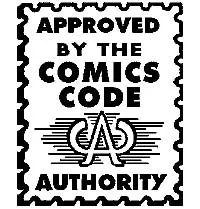
The Comics Code killed the scary Joker
“Batman! I accuse you of interfering with the right of criminals to commit crimes!”
That line from Batman #163 sounds insane now. Back then? It was peak era.
The 1940s and 50s were wild for comics. Horror and crime titles were selling like hotcakes. Parents didn’t like it. They thought these books were turning their boys into delinquents. Enter Dr. Frederick Wertham. He published Seduction of the Innocent: The Influence of Comic Books On Today’s Youth in 1954. A terrifying title for a terrifying book.
Wertham pulled no punches. He printed gruesome, violent, and sexually suggestive images from popular comics. His argument? Comics encouraged anti-social behavior. And yes, he claimed they promoted homoeroticism. It was a full-blown moral panic.
The public reacted with disgust. People banned comic books from their homes. The industry was bleeding money and trust. To survive, the major publishers formed the Comics Code Authority. Self-censorship became the law of the land.
What happened next was brutal. Publishers had to drop their best-sellers. Zombie books? Gone. Monster comics? Dead. Crime thrillers? Out. They had to pivot to comedies and toned-down stories. Most of those flopped. Many publishers shut down permanently. If Marvel and DC hadn’t revived superhero comics in the 1960s, the medium might have died right there.
The Joker paid the price.
Before the Code, he was a killer. A dangerous, crafty murderer who terrified Gotham. After the Code? He became a joke. Literally.
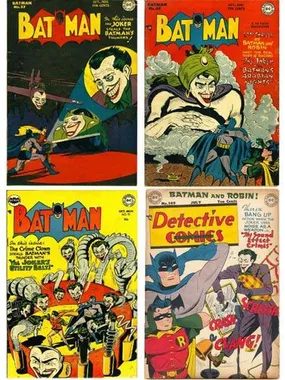
He shifted from a lethal threat to a wacky prankster. No more blood. Just elaborate heists, intricate puzzles, and disguises. He became a mischievous thief. An annoying nuisance, sure, but safe. The darkness was scrubbed away by parental fear and bureaucratic red tape.
Was it better? For sales, maybe. For the character? Hardly.
The Schwartz Intervention and Near-Extinction
He wasn’t killing people anymore. That was the new deal.
The Joker of the 1960s played by different rules. No more mass murder, no more grim reaper vibes. He dressed up in crime costumes for his heists. He carried a utility belt packed with gimmicks instead of gunpowder. His car? A rolling joke with a giant grinning face bolted to the front grill. It was camp. It was silly. It was Batman the TV show before the show existed.
But here is the thing about silly: it doesn’t always stick.
Julius Schwartz took the reins as editor. He had a problem with this version. He didn’t like the Joker. Not really. Under his watch, the character got pushed to the margins. He wasn’t gone. He wasn’t dead. But he was close to comic-book oblivion.
For a while, the Clown Prince of Crime was just… background noise. Schwartz preferred other villains. He wanted a different tone. The Joker faded. You could argue this was the villain’s lowest point. He survived, yes. But he was barely relevant.
The Joker Today
That silence didn’t last forever. Characters like that have a way of clawing their way back. But the 1960s era? That was a detour. A weird, colorful detour.
Today, the Joker is back at the top. But he isn’t the guy in the crime costume anymore. He’s the agent of chaos. The intelligent adversary who doesn’t need a gimmick belt to break Batman’s spirit. The shift from Schwartz’s dismissal to modern icon status is the most important arc in the character’s history. It proves that even when an editor wants to bury you, you can dig your way out.
Most fans don’t think about the Joker’s near-extinction in the 60s. They think of the movies. The voice. The smile. But without that dip in the water, the resurgence wouldn’t hit as hard. Sometimes you have to almost disappear to come back stronger. Or maybe that’s just comic book logic.
The 1973 Shift That Made the Joker Truly Terrifying
Remember that nonsense rhyme? “Zip-a-dee-do-da…” It’s from Joker #3, specifically the story arc “The Last Ha Ha.” It sounds silly. It shouldn’t. But that’s the point.
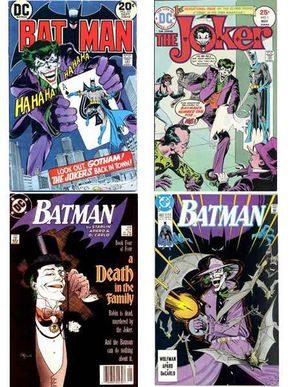
Back in 1973, writers Denny O’Neil and artist Neal Adams decided the Batman line needed a serious update. They dragged the Joker back to the front lines, but not as the goofy prankster of the Silver Age. This new version was a homicidal maniac. No reservations. No rules. Just impulsive, sporadic killings.
He wasn’t just a thief anymore. He was a killer who thought he was Batman’s intellectual equal. He had the wit, but he also had the toxins. And the sociopathy. He killed his own henchmen constantly. Why? Because he could.
Why the 1980s Joker Crossed Every Line
The character got his own limited series during this era. Each issue featured him battling a different hero, only to get locked up again at the end. Rinse. Repeat. It showed his persistence. But the late 80s? That’s when things went dark.
Really dark.
He beat Jason Todd—the second Robin—with a crowbar. Then he blew him up with explosives. He kidnapped Commissioner Gordon and tortured him. He shot Barbara Gordon, Batman’s ally and Gordon’s daughter, in the spine, leaving her paralyzed. This wasn’t just crime. It was personal sadism.
Modern Joker: From Harley Quinn to Reality Warping
In current DC continuity, that lethal harlequin stays put. But the scale of his madness has exploded. He’s not just breaking bones anymore. He’s messing with reality.
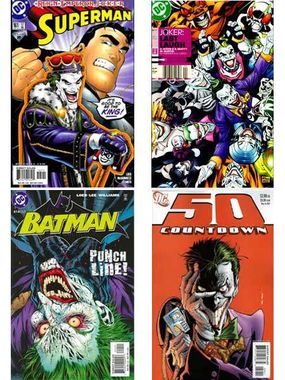
He once stole Mr. Mxyzptlk’s reality-altering powers. Superman’s nemesis. He wanted to reshape the world in his own twisted image. He also unleashed Joker-Venom on a large chunk of the supervillain population, infecting them with his insanity.
Then there’s Harley Quinn. Her origin is brutal. She was his psychiatrist. He manipulated her. Made her obsessed. She became his sidekick. Or his victim. Depending on the week.
But don’t think he’s gone soft. He still kills randomly. He murdered Commissioner Gordon’s second wife. He shot Zatanna, the magician and Batman ally, in the throat.
Is he a criminal mastermind? Sure. But the randomness is the weapon. You never know if he’s going to break the universe or just break a neck.
The Joker’s New Face and the Blood Price
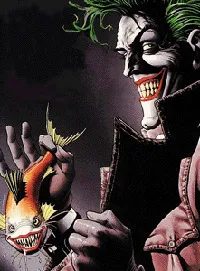
So he got shot. Right in the face. By a cop. A corrupt one, hiding behind the Batman cowl. It was a setup, a mess, the kind of thing that breaks your brain before it breaks your body. He nearly died at Arkham. The doctors had to rebuild him. Piece by piece. Now? He’s got a permanent grin carved into his skull.
It’s not funny anymore. He can’t speak. The surgery locked his jaw, froze his mouth into that eternal, terrifying smile. Communication is now a game of winks and blinks. Morse code. Tap. Tap-tap. It’s intimate. It’s cold.
He thinks the real Batman did this. He thinks the Dark Knight tried to kill him. That belief? It changes everything. The old Joker was chaotic. This new version? He’s lethal. He’s psychotic in a way that feels sharper, meaner. He’s dubbed himself the Crown Prince of Killers. Some call him the Harlequin of Hell. Titles don’t matter. The intent does.
He needs to up the ante. Batman supposedly wants him dead? Fine. Then he’ll kill everyone else first.
Purging the Henchmen
Harley Quinn is still there. She’s playing along, masquerading as his speech therapist. It’s a lie, obviously, but it keeps her close. It keeps her useful. And it keeps her alive. She’s the only one he spared.
Everyone else? Gone.
With a series of blinks, he ordered the execution of his former crew. No trials. No questions. Just a purge. If they failed him once, they’re dead. If they were weak, they’re dead. He’s cleaning house. The message is clear: loyalty is now measured in blood.
He believes he must escalate to compete with Batman.
It’s a race to the bottom. If Batman is willing to murder, Joker will murder first. He’s trying to prove he’s the bigger monster. The smarter one. The one who adapts.
The Silent Threat
How does a mute villain threaten the world? With silence. With eyes that never stop blinking. It’s unsettling. It strips away the punchlines, the rambling monologues, the campy flair. What’s left is pure, distilled menace.
He’s not just a clown anymore. He’s a survivor. A mutilated, angry, brilliant survivor. And he’s hunting.
Why the Joker Never Pulls the Trigger on Batman
Look at that opening quote. It’s chaotic. It’s unhinged. It’s the Joker right after he supposedly “killed” Batman in front of a room of disabled children. Classic misdirection.
But let’s get to the real question haunting every comic reader. Why doesn’t the Joker just end it? He’s had the gun. He’s had the bomb. He’s had the upper hand. And yet, Batman walks away. Again.
For Bruce Wayne, the answer is simple. Code. No killing. If he crosses that line, he’s no better than the monsters he hunts. He becomes them.
The Clown Prince of Crime? His reasons are messier. He doesn’t kill Batman because he thinks it’s boring. Killing a prone, helpless man isn’t a victory. It’s anticlimactic. The Joker wants a dramatic finish. He wants to prove his random chaos beats Batman’s cold logic. It’s a game, and Batman is the only player who makes it fun.
“I could never kill you. Where would the act be without my straight man?”
That line from Batman #663 says it all. Without Batman, the Joker’s life has no meaning. He needs the straight man to make the joke land.
How the Joker Evades the Death Penalty
So why is he still breathing? Why isn’t he in a cell with a death row sentence?
Two words: Criminally insane.
The legal system can’t touch him the way it touches normal criminals. Instead of prison, he goes to Arkham Asylum. It’s a revolving door. He gets in. He gets out. He changes.
Writer Grant Morrison had a wild theory about this in Arkham Asylum. He suggested the Joker has “super-sanity.” Heightened senses. No real personality. He just mirrors whatever psyche helps him survive in the moment.
Morrison doubled down on this idea in Batman #663. Each escape brings a new personality. That explains why the Joker feels different in the 80s than he does today. He’s not one man. He’s a shapeshifter.
Where the Rogues Actually Go
Arkham Asylum wasn’t always the dump for every guy in a mask. Originally, it was strictly for the mentally disturbed. Joker. Two-Face. The weirdos.
Now? It’s the default parking spot for Batman’s entire rogues gallery.
It’s also where the Joker met Dr. Harleen Quinzel. She was his shrink. He broke her. Then he remade her into Harley Quinn. His sidekick. His biggest fan.
The cycle continues. Batman catches him. Arkham holds him. The Joker escapes. And the dance begins again.