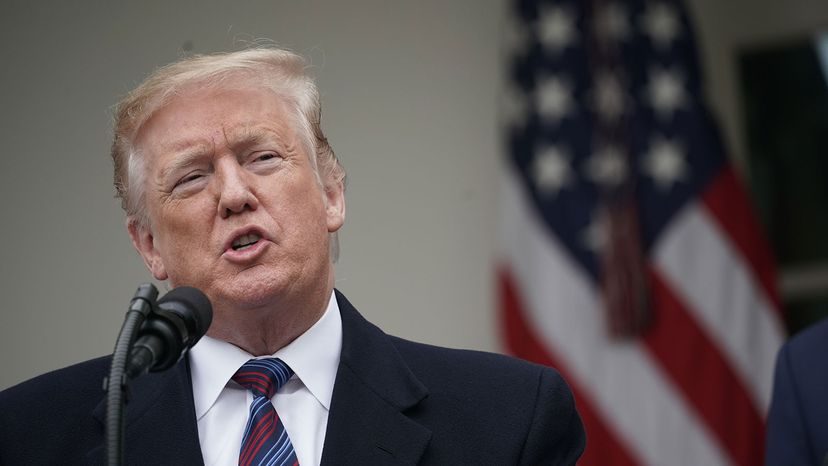
The Oval Office is powerful, but it doesn’t own the airwaves.
When the President speaks to the nation, we expect to see it on our screens. But are major networks legally forced to broadcast these addresses? The answer isn’t a simple yes or no. It’s a messy intersection of public duty, corporate profit, and political pressure.
While tradition suggests broadcasters should clear their schedules, the reality is more complicated. Networks weigh the cost of lost ad revenue against the risk of looking unpatriotic. And sometimes, they choose the money.
The Legal Gray Area of FCC Mandates
Local broadcast stations operate under licenses granted by the Federal Communications Commission. To keep those licenses, they must prove they are serving the public interest. This includes airing minimum hours of children’s educational programming. It also involves disseminating information that contributes to public wellbeing.
Presidential addresses fall into that category. If a broadcaster ignores a direct request from the White House, the FCC could theoretically fine them or revoke their license.
But here is where it gets murky. The FCC rarely enforces this rule with an iron fist. The agency usually prefers negotiation over punishment. So while there is a legal framework requiring broadcasters to accommodate presidential communications, the enforcement is soft. Networks can still push back.
Primetime vs. The Presidency
A presidential address is always newsworthy. That’s undeniable. But it’s also a scheduling nightmare for networks.
Most formal addresses happen in the evening. That’s when viewership peaks. And that’s when ad rates are highest. When a network agrees to air a speech, it cancels prime-time programming. It loses millions in advertising revenue.
Do networks care about the bottom line? Yes.
Refusing a presidential request is embarrassing. It makes the network look anti-American. It makes the President look weak. But saying no also protects the company’s income. Some networks decide that’s a trade-off worth making.
When Networks Said No
Refusals are rare. But they happen. And they’re becoming more common.
- 2001: Fox News declined to air a George W. Bush speech during primetime. The White House asked. Fox refused. The reason? Lost ad revenue.
- 2009: Fox again blocked a Barack Obama news conference during prime time. The cost of lost ads was too high.
- 2014: ABC, NBC, and CBS all declined to air an Obama speech on immigration reform. None would comment on the decision. Silence is often the best policy when you’re breaking with tradition.
These aren’t isolated incidents. They show a pattern. Networks are increasingly willing to protect their profits over protocol.
The Trump Rebuttal and Equal Time
The dynamic shifted in January 2019. Major networks agreed to let President Donald Trump speak for eight minutes on immigration policy. The request was specific. The timing was prime-time.
The response was swift. Democrats demanded equal time to respond. They predicted a speech filled with “malice and misinformation.” Most major networks agreed to air the rebuttal too.
This created a unique scenario. Two opposing political views, two addresses, same time slot. Was it fair? Maybe. Was it profitable? Debatable.
Why This Matters Now
The question of whether networks must air presidential addresses isn’t just about law. It’s about access. It’s about who controls the narrative.
When networks refuse, they’re making a business decision. When they comply, they’re making a political one. The line between the two is thinner than you think.
And with cable, streaming, and social media fragmenting audiences, the power of the traditional broadcast network is shrinking. Does it still matter if a network airs a speech? Maybe not as much as it used to.
But the precedent remains. The FCC license still exists. The public expectation is still there.
What happens when the next President asks for the air? Will the networks say yes? Or will they count the ad dollars first?
The answer might surprise you.