A Desperate Solution for a Weakening Current
The Atlantic Meridional Overturning Circulation (AMOC) is the oceanic conveyor belt responsible for keeping Northern Europe significantly warmer than other regions at similar latitudes. However, this vital system is weakening, raising fears of a potential collapse that could trigger drastic temperature plunges across the continent. In response to this looming climate threat, researchers are exploring an audacious geoengineering solution: building a massive dam across the Bering Strait to block the flow of freshwater from the Pacific into the Atlantic.
This proposal, presented recently at the European Geosciences Union general assembly in Vienna, is not merely theoretical speculation but the result of rigorous supercomputer modeling. While the engineering challenges are monumental, the scientific data suggests that such a barrier could significantly strengthen the AMOC, provided it is constructed before 2050.
From Ancient Geology to Modern Engineering
The concept originates from the work of Jelle Soons and Henk Dijkstra at Utrecht University. Their inspiration came from paleoclimatology: during the Pliocene era (5.3 to 2.6 million years ago), sea levels were lower, creating a natural land bridge across the Bering Strait. Climate simulations of that period revealed a stronger AMOC, largely attributed to the absence of freshwater inflow from the Pacific.
Soons and Dijkstra sought to answer a critical question: Could we artificially recreate this condition today?
Freshwater is the enemy of the AMOC. The current relies on dense, salty water sinking in the North Atlantic to drive circulation. When fresh water from the Pacific flows through the Bering Strait into the Arctic and eventually the Atlantic, it dilutes the seawater, reducing its density and weakening the current’s ability to circulate. By blocking this flow, the theory goes, the AMOC could recover its strength.
The Verdict: Early Action is Key
Initial studies using low-resolution models yielded mixed results. However, recent high-resolution simulations run on supercomputers have provided a clearer picture. The findings indicate that closing the Bering Strait would indeed strengthen the AMOC, but timing is critical.
“I was surprised at how strong the recovery was,” Soons noted regarding the new data.
The simulations suggest that if the dam were built early—specifically by 2050 —the positive impact on the ocean current would be substantial. Delaying construction could diminish or negate these benefits, highlighting the narrow window for such a drastic intervention.
Feasibility vs. Uncertainty
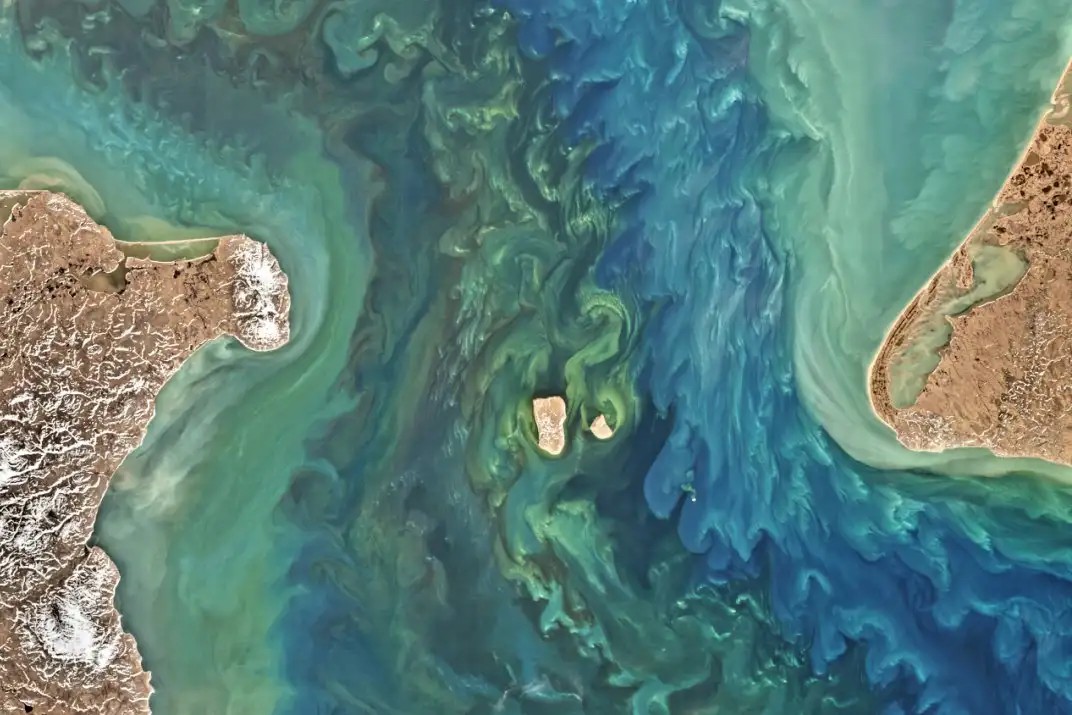
From an engineering standpoint, the project is daunting but not impossible. The Bering Strait is relatively shallow, with a maximum depth of only 59 meters, and features two small islands that could serve as anchor points for a barrier constructed in two halves.
Ed McCann, a civil engineering expert, suggests that traditional concrete structures might not be the best approach. Instead, he proposes using floating machinery to construct a barrier from rock and dredged sand—a method that is “pretty simple, just very big and very expensive.”
However, scientific consensus remains cautious. Jonathan Rosser of the London School of Economics warns that our understanding of the AMOC is still incomplete. “These drastic things really do have big uncertainties attached,” he stated. The potential side effects are profound and global:
* Climate Disruption: While Northern Europe might see stabilized temperatures, rainfall patterns in other parts of the world could shift dramatically, potentially causing droughts or floods elsewhere.
* Ecological Impact: Marine mammal migrations, tidal patterns, and local ecosystems would face significant disruption.
* Socio-Economic Consequences: Shipping routes to remote communities in Alaska and Russia could be altered or blocked.
Soons acknowledges these risks, noting that the proposal is far from ready for serious implementation. He has considered alternative designs, such as a partial barrier or a submerged gate extending only 10 meters into the water column, to mitigate ecological damage while retaining some climatic benefits.
A Precedent for Radical Geoengineering
The Bering Strait dam is part of a growing portfolio of “mega-engineering” concepts proposed to combat climate change. For instance, in 2020, researcher Sjoerd Groeskamp proposed the “Northern European Enclosure Dam,” a pair of barriers between the UK and Europe designed to protect low-lying areas from rising sea levels.
These ideas reflect a shifting paradigm in climate science: as mitigation efforts struggle to keep pace with warming, adaptation and geoengineering solutions are moving from the fringes into serious academic discussion.
Conclusion
The proposal to dam the Bering Strait highlights the severity of the potential AMOC collapse and the lengths to which science might go to prevent it. While current models suggest it could be a viable safeguard for European climates, the enormous costs, ecological risks, and geopolitical complexities mean it remains a theoretical last resort rather than an imminent plan.