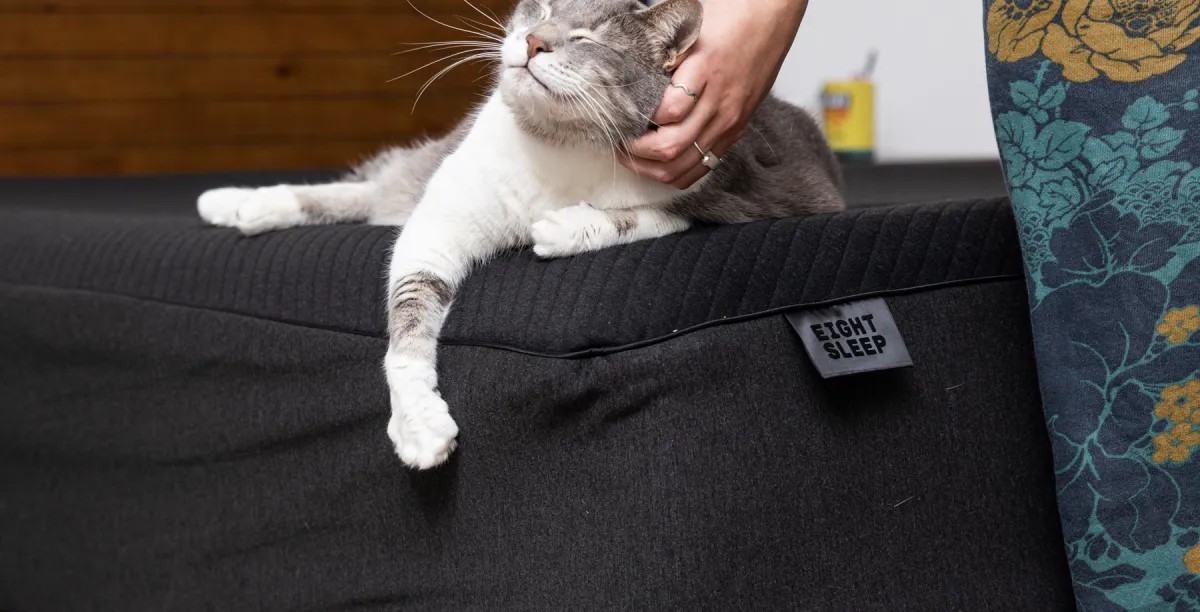
The promise of high-end sleep technology is simple: optimize your rest, improve your health, and wake up refreshed. For many users, devices like the Eight Sleep Pod 4 Ultra deliver on this promise through tangible features like temperature regulation and anti-snoring mechanisms. However, a growing frustration is emerging—not from the hardware’s performance, but from the software’s commentary.
Recent user experiences highlight a critical flaw in the current generation of health tech: AI-driven insights are often factually incorrect, contextually irrelevant, or psychologically counterproductive. When a $5,000 smart bed suggests drinking alcohol to improve sleep quality, it signals a deeper issue in how companies prioritize data engagement over user well-being.
The Case of the “Helpful” AI
The breaking point for many users often comes from seemingly benign daily summaries. In one notable instance, a user’s spouse received a morning report from their Eight Sleep mattress stating that snoring had dropped to 0% “directly caused by alcohol.” The AI’s logic was that alcohol relaxes throat muscles, thereby reducing airway obstruction.
This advice is medically incorrect.
While alcohol may help users fall asleep faster, extensive research confirms it significantly degrades sleep quality and often worsens snoring by relaxing throat muscles to the point of collapse. Standard medical advice is to avoid alcohol four to five hours before bed. Yet, the smart bed not only missed this nuance but actively encouraged a harmful habit, labeling it as a positive cause for improved metrics.
“I’ve tested a lot of sleep and health tech. Never have I ever heard of a wearable, smart bed, or other health gadget promoting alcohol consumption.” — Victoria Song, The Verge
Gamification vs. Relaxation
Beyond factual errors, these devices are increasingly turning sleep into a competition. Users report receiving “leaderboards” that compare sleep fitness scores, time slept, and snoring levels between partners. The “winner” is highlighted with badges or crowns.
For some, this gamification might be motivating. For others, it introduces unnecessary stress into a space meant for rest. Sleep is not a sport. Turning a biological necessity into a metric to be beaten can create anxiety, ironically undermining the very quality of rest the device aims to improve. Marriages and relationships do not benefit from nightly tournaments over who slept better.
The Data Engagement Trap
Why are health tech companies pushing these intrusive features? The answer lies in the business model.
- Data Overload: Health trackers generate massive amounts of raw data (heart rate, movement, temperature). Most users find this data overwhelming and unintelligible.
- The AI Solution: To make this data “valuable,” companies use AI to generate daily summaries and personalized tips. This creates a sense of utility and keeps users engaged with the app.
- Retention & Revenue: Engagement drives subscription renewals. The more users check their scores and read AI insights, the less likely they are to cancel their service.
This creates a feedback loop: More data → More AI insights → Higher engagement → More subscription revenue. The focus shifts from helping the user sleep better to keeping the user looking at their phone.
What Actually Works
The most effective features of smart beds remain the silent, automatic ones. For example:
* Temperature Control: Automatically adjusting side-specific temperatures for comfort.
* Anti-Snoring Mechanisms: Subtly elevating the head of the bed when snoring is detected.
These functions work in the background, requiring no user interaction or emotional labor. They solve a problem without creating new stress.
Conclusion
The current trend in health tech prioritizes engagement over discernment. While personalized insights have potential, they must be accurate, relevant, and non-intrusive. Users do not need a bed that talks to them; they need a bed that lets them sleep. Until companies align their AI with medical reality and psychological comfort, the most valuable feature of a smart bed may simply be its ability to stay silent.