



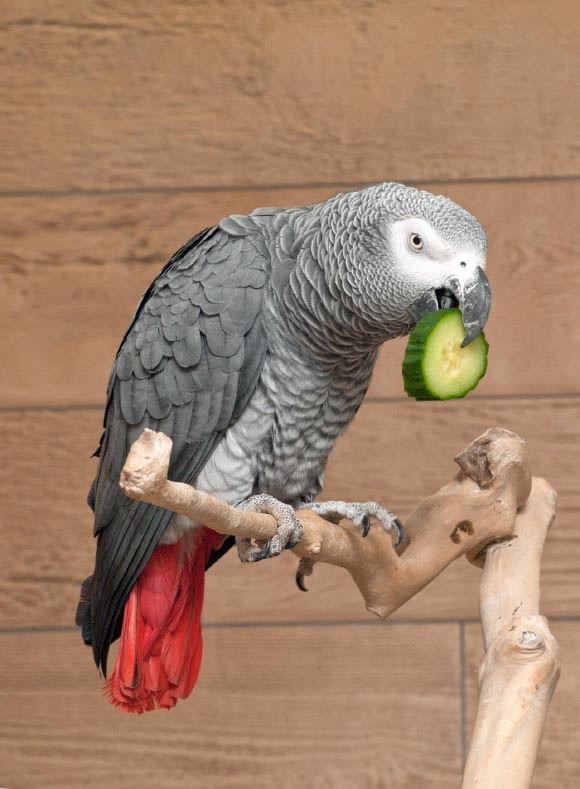
A collaborative research effort has uncovered compelling evidence that parrots do more than just mimic human speech; they may actually use names as cognitive labels to identify specific people and animals.
The study, published in the journal PLoS ONE, analyzed data from nearly 900 captive parrots through the ManyParrots project. Researchers from institutions including the University of Northern Colorado and the University of Vienna found that these birds use vocalizations in ways that mirror human linguistic conventions, specifically by assigning labels to individuals.
From Mimicry to Meaningful Labeling
While it has long been known that many animals can recognize their own names or respond to human commands, there has been a lack of evidence showing that diverse animal groups can produce names to refer to others.
The researchers identified a distinction between simple imitation and functional communication:
– Vocal Production Learning: Unlike many species that merely react to sounds, parrots have the unique ability to learn and produce complex vocalizations.
– Individual Association: In a subset of the data, researchers found that birds used specific names not just for general categories (like “human” or “dog”), but to single, specific individuals.
– Contextual Usage: The birds demonstrated an ability to use names in social situations, including calling out to someone who was not currently present.
Human-Like vs. Unconventional Behavior
The study highlights a fascinating overlap between human-like intelligence and unique animal behaviors. While some parrots used names in ways that align with human social norms, others used them more opportunistically.
“Parrots sometimes said their own name just so they could get some attention,” the researchers noted, illustrating a highly tactical use of language to manipulate their environment.
This distinction is crucial for understanding animal cognition. It suggests that while parrots possess the “hardware” for complex labeling, their “software”—the reasons why they use these labels—is driven by their own social and survival needs.
The Big Picture: What This Means for Animal Intelligence
This research marks a significant step in shifting our understanding of animal communication. Traditionally, much of what we observe in pets is dismissed as “parroting” (imitation without understanding). However, this data suggests a much deeper cognitive layer where vocal labels are linked to specific identities.
However, several questions remain:
– Origin of Names: All birds in this study used names derived from human language. It remains unknown if parrots can invent entirely original names for individuals.
– Wild vs. Captive: While researchers suspect these labeling abilities exist in the wild, most current data comes from captive environments where human interaction is constant.
– Methodology: Future research will need to move beyond relying on human observers to prove animal naming, seeking ways to identify these behaviors through purely non-human methods.
Conclusion
The study demonstrates that parrots possess the cognitive and vocal capacity to use names as social tools, moving them closer to a human-like understanding of individual identity. This discovery opens new doors for studying how language and social structures evolve across different species.