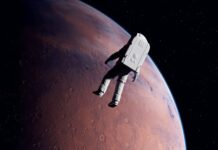
Blue Origin is advancing its Endurance lunar lander through final stages of testing, positioning the spacecraft for an uncrewed mission to the Moon later this year. This test flight is a crucial stepping stone for NASA’s Artemis program, which aims to return humans to the lunar surface. As one of two private companies selected to build lunar landers, Blue Origin is racing against a tight timeline to prove its technology is ready for crewed missions.
From Houston to Florida: The Testing Gauntlet
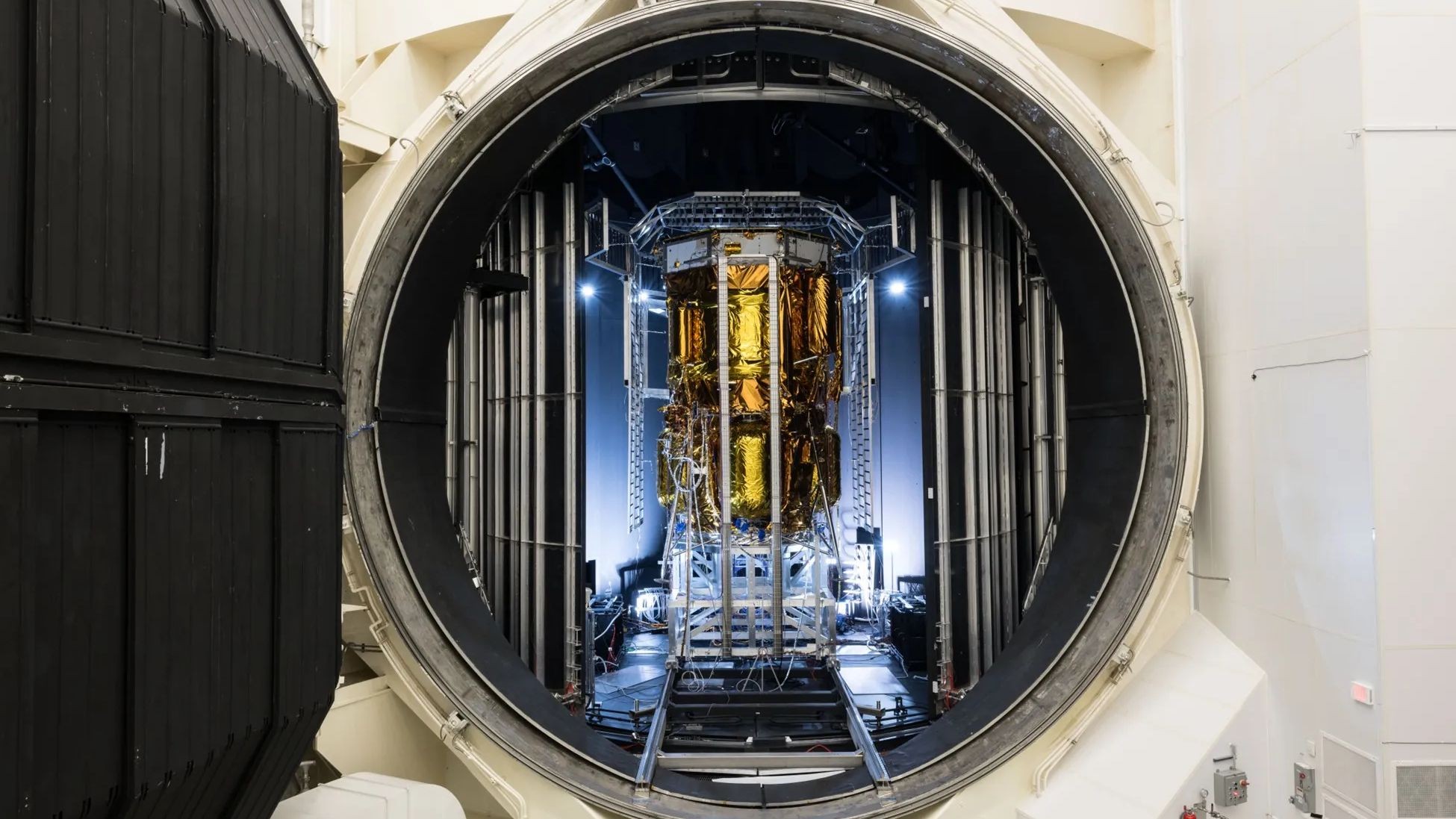
The Endurance vehicle, designated as the Blue Moon MK1, has recently completed rigorous vacuum chamber testing at NASA’s Johnson Space Center in Houston. It was subsequently transported to Blue Origin’s facility near Kennedy Space Center in Florida. There, engineers are conducting radio frequency compatibility tests to ensure the lander’s communication systems remain interference-free during flight.
These tests are not merely procedural; they are essential for validating the lander’s ability to operate in the harsh environment of space. Success here paves the way for the more advanced Blue Moon MK2, which is designed to carry astronauts to the lunar surface.
The Artemis Timeline and the Race to Certify
NASA has set late 2027 as the target launch date for Artemis 3, the mission that will send four astronauts to lunar orbit aboard the Orion capsule. A key objective of Artemis 3 is to practice rendezvous and docking maneuvers with a lunar lander. NASA has maintained a flexible approach, indicating it will partner with whichever private lander—Blue Origin’s Blue Moon or SpaceX’s Starship—is ready first.
However, before any astronauts can descend to the Moon, both landers must complete a series of stringent qualifications. This includes:
– An uncrewed lunar touchdown.
– Demonstration of autonomous navigation.
– Successful cryogenic fuel transfer and prolonged storage in lunar conditions.
– Proof of capability to launch back into lunar orbit.
Blue Origin hopes to achieve the uncrewed landing with Endurance later this year. If successful, this mission will also carry two science demonstration payloads for NASA’s Commercial Lunar Payload Services (CLPS) program, helping to refine technologies needed for future long-term lunar habitation.
Competing Challenges: Blue Moon vs. Starship
The path to certification is fraught with challenges for both competitors. Blue Origin faces immediate hurdles: the Endurance lander depends on the successful completion of its remaining tests, and its intended launch vehicle, the New Glenn rocket, is currently grounded. The Federal Aviation Administration (FAA) is investigating a second-stage failure from New Glenn’s most recent mission, casting uncertainty over the lander’s launch window for late 2026.
Meanwhile, SpaceX’s Starship appears to have a development advantage, with 11 test launches already completed and a twelfth imminent. However, Starship has not yet achieved a full Earth orbit, and it faces the same rigorous qualification requirements as Blue Moon.
What This Means for Lunar Exploration
The race between Blue Origin and SpaceX highlights a broader shift in space exploration: private industry is now central to NASA’s human spaceflight ambitions. By contracting multiple providers, NASA mitigates risk and accelerates innovation, but it also raises questions about how strictly the agency will enforce readiness milestones.
It remains unclear whether Artemis 3 astronauts will actually enter the landers while in Earth orbit or if the mission will simply involve proximity operations. Regardless of the outcome, the success of Endurance and Starship will determine the pace of humanity’s return to the Moon.
In short: Blue Origin’s Endurance lander is moving closer to its historic uncrewed flight, but technical hurdles and launch vehicle delays remain. As both Blue Origin and SpaceX compete to certify their landers, the outcome will shape the future of NASA’s Artemis program and the broader landscape of commercial lunar exploration.