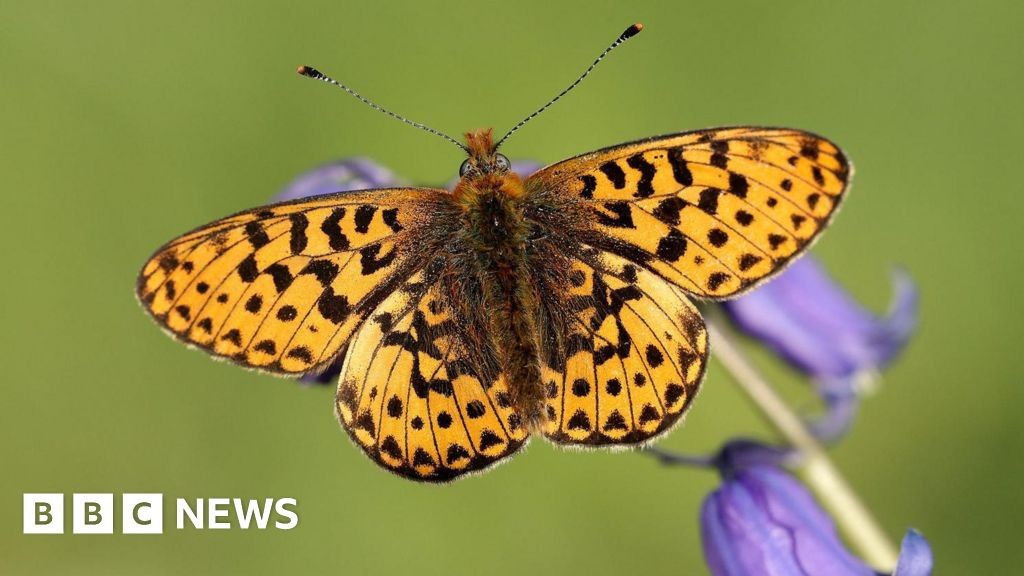
A massive, 50-year longitudinal study has delivered a sobering verdict on the state of British biodiversity: more than half of the UK’s butterfly species are in decline.
Data compiled by the UK Butterfly Monitoring Scheme—the largest monitoring program of its kind globally—shows that 33 of the country’s 59 species have seen their numbers dwindle since 1976. This extensive dataset, built upon 44 million volunteer records across 7,600 sites, provides a rare and detailed look at how shifting environmental conditions are reshaping the natural world.
A Tale of Two Species: Winners and Losers
The data reveals a stark divide in how different species are responding to a changing environment. The decline is not uniform; rather, it is dictated by how specialized a species is regarding its habitat and temperature requirements.
The Specialists in Peril
Species that rely on very specific, stable environments are bearing the brunt of the crisis. As traditional landscapes are altered, these “specialists” have little room to maneuver:
– The White-letter Hairstreak has seen a staggering 80% decline.
– The Pearl-bordered Fritillary has plummeted by 70%.
These losses are largely attributed to the degradation of essential habitats, such as chalk grasslands and ancient woodlands, alongside the pressures of pollution and climate change.
The Generalist Survivors
Conversely, some species are not just surviving but thriving, often due to the very factors that threaten others. The Red Admiral, for example, has seen its population surge by more than 300%.
This dramatic increase is driven by rising temperatures, which allow these adaptable butterflies to survive year-round in the UK, effectively turning a seasonal visitor into a permanent resident.
The Environmental Context
The scale of this monitoring effort is immense. Over the last five decades, volunteers have walked the equivalent of 40 times around the globe to record these changes. Despite 2025 being recorded as the sunniest year on record, it was merely an “average” year for butterflies, ranking 20th out of the last 50 years in terms of population health.
This suggests that while weather fluctuations play a role, they are not the sole driver. The broader trend points toward a fundamental shift in what “modern landscapes” can support.
The Path Forward: Habitat Restoration
The findings highlight a critical tension in conservation: while some species can adapt to a warming, changing climate, the specialized habitats they require are vanishing.
“The figures show what type of wildlife is able to survive in the UK’s modern landscapes,” notes Professor Richard Fox of Butterfly Conservation.
Experts argue that to prevent further loss, conservation efforts must move beyond mere observation and focus urgently on restoring lost habitats to provide refuge for declining species.
Conclusion
The 50-year data confirms that while climate change creates winners among adaptable species, it is simultaneously driving specialized butterflies toward extinction through habitat loss. Reversing this trend will require an urgent, large-scale commitment to restoring the specific ecosystems these species depend on.