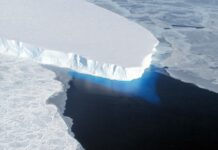


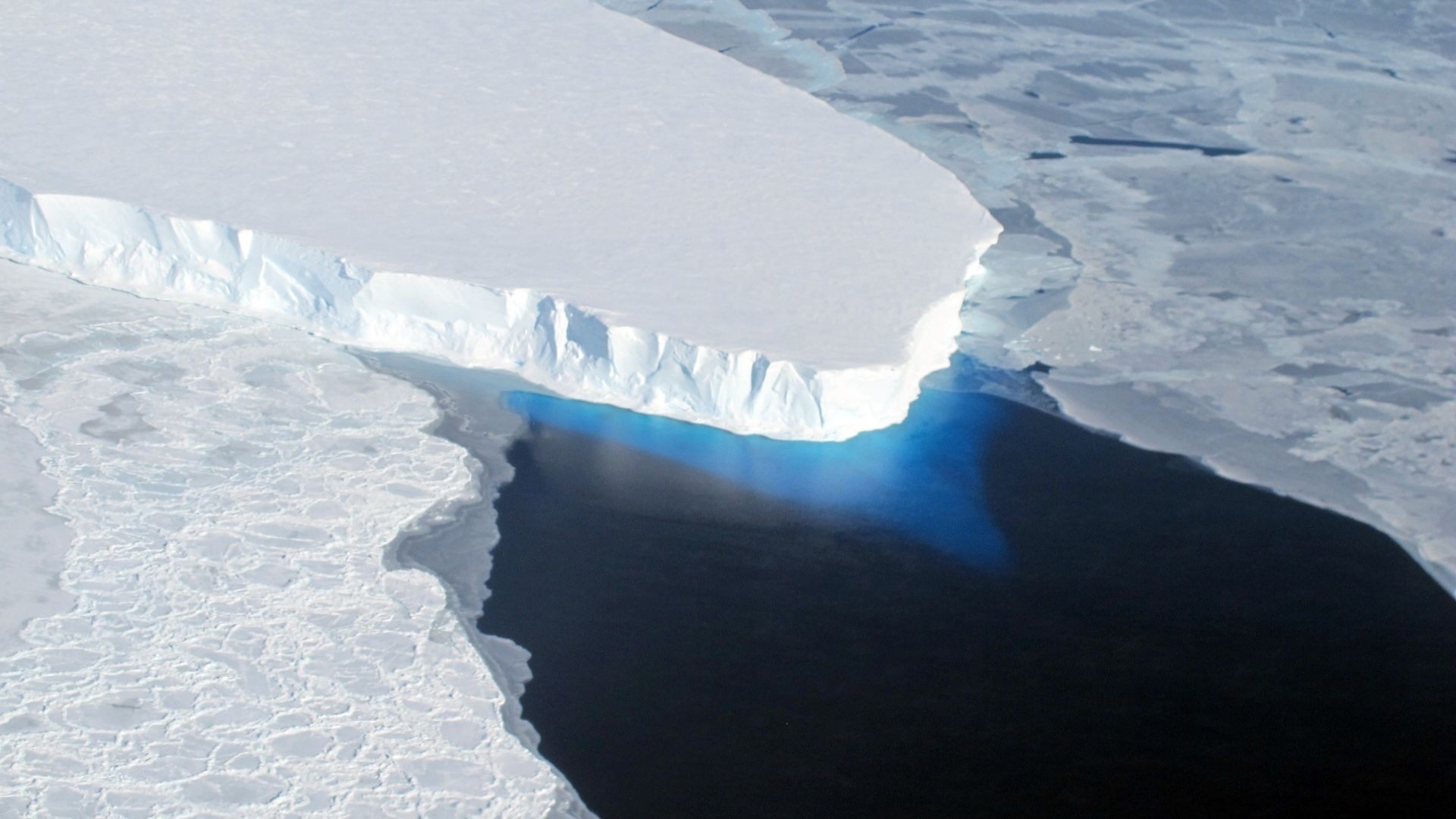
It is about to break. Not the whole thing, but the vital shelf holding it back. The eastern ice shelf of the Thwaites Glacier—the so-called “Doomsday Glacier”—is set to detach from the main mass this year. This isn’t just bad news for the ice. It’s a destabilizing blow to one of the largest glaciers on Earth.
Think of it. If Thwaites fully collapses, it dumps enough ice into the Southern Ocean to raise global sea levels by 2.1 feet. That’s 65 centimeters. Enough to flood coastal cities from Miami to Mumbai. The full collapse might take centuries, but right now, the buffer is failing. The shelf that holds the glacier’s mouth open is breaking loose. Accelerating the endgame.
Satellite imagery tells the story. New Scientist reported last week that the eastern ice shelf is on the brink of separation. While the glacier itself sits grounded on land, that shelf floats. It acts as a buttress. A brake on the ice river behind it. Without it, the glacier flows faster.
Robert Larter, a marine gephysicist at the British Antarctic survey, puts it bluntly. He says the shelf is likely to shatter in 2026 or sooner. He runs the UK leg of the International Thwaites glacier Collaboration, a joint effort between US and UK agencies to understand this shifting, dangerous landscape.
“The last bit of ice shelf… is poised to disintegrate,” Larter told Live science. He admits they don’t know the exact shape the breakup will take. “But it’s definitely going to go.”
This thing is massive. Thwaites covers an area the size of Florida. It’s the largest glacier in west Antarctica. In some places it’s thicker than 6,000 feet. Wide as 75 miles. It’s literally the widest glacier on planet earth.
It’s been melting hard since the 198s. Hundreds of billions of tons of ice gone. Warm ocean water sneaks under the shelf, eating the ice at its base. That’s where the ground is below sea level, making the foundation unstable. Since 1992 alone, the glacier has retreated nearly nine miles.
Can we model this accurately? Barely. The physics are complex. Dates are fuzzy. But a study in Geophysical Research letters last month predicted grim numbers. By 2067, the glacier could be losing between 180 and 200 billion tons a year.
This isn’t an isolated failure.
Thwaites is a pillar of the entire west Antarctic ice sheet. If that whole sheet goes, sea levels jump 10.8 feet. These are tipping points. Points of no return. Once you cross the threshold, the change is permanent. It lasts thousands of years.
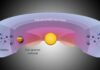
The eastern shelf is cracking at its moorings. Specifically, where the ice rests on a ridge in the ocean floor. And at the glacier mouth. Movement on the western side of this shelf has roughly doubled in just eight months.
It’s not just surface warming. It’s the water underneath. Warmer, saltier water gets pushed up from the depths of the Southern Ocean, undermining the ice. Larter says it’s more about water circulation than simple heating, but the root cause is the same. Human-driven climate change.
“The changes to the Southern Hemisphere westerlty winds are driving warm water onto the continent,” he said.
And those wind changes? Part of the wider, inescapable pattern.
We don’t know how fast it will happen once that final shelf snaps. Just that it’s happening. And when the brakes fail, things tend to move faster.