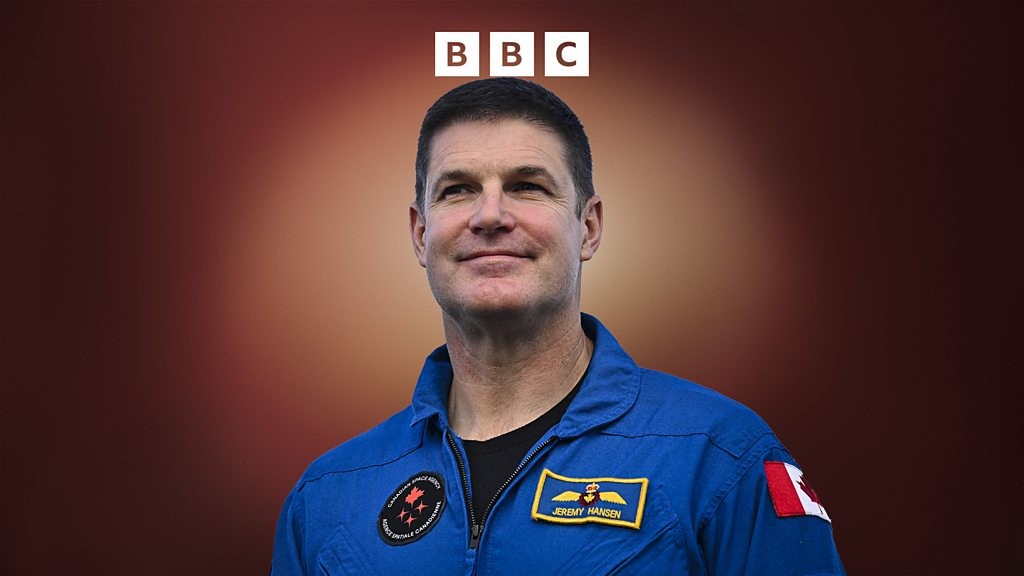
The upcoming Artemis II mission marks a pivotal turning point in space exploration. As NASA prepares to launch from the Kennedy Space Center in Florida, the mission aims to send a crew of four humans on a journey to circle the Moon before returning to Earth. While this specific flight will not involve a lunar landing, it represents the first time humans have ventured toward the Moon in over half a century.
A Milestone for Diversity and Global Cooperation
The Artemis II crew is not merely a group of explorers; they represent a significant shift in the demographics of space travel. If the mission succeeds, it will achieve several historic “firsts” for the human race:
- Jeremy Hansen will become the first non-American to leave low-Earth orbit.
- Christina Koch will be the first woman to embark on such a journey.
- Victor Glover will be the first person of color to venture into deep space.
This diversification is a crucial step in making space exploration a truly global and inclusive endeavor, moving away from the era when space travel was the exclusive domain of a few specific nations and demographics.
The Human Element: Cooperation Over Conflict
For Canadian astronaut Jeremy Hansen, the mission carries a weight that goes beyond technical achievement or scientific data. In a recent interview with the BBC, Hansen expressed a profound hope regarding the psychological impact of such an expedition.
“I hope humanity will stop for a moment when four humans are on the far side of the moon and be reminded that we can do a better job as humans of just lifting each other up. Not destroying, but creating together.”
This sentiment highlights a growing trend in modern space exploration: the transition from the “Space Race” era—defined by geopolitical competition—to an era of international collaboration. As missions become more complex and expensive, the ability for nations to work together becomes a necessity rather than a choice.
Why This Mission Matters
The Artemis II mission serves as a bridge between the legacy of the Apollo era and a future where permanent human presence on the Moon and Mars might be possible. By testing the systems required to sustain life in deep space and proving that humans can safely navigate the lunar environment, NASA and its international partners are laying the groundwork for the next chapter of human history.
The mission raises an important question for the modern age: Can the collaborative spirit required to reach the Moon be mirrored in our terrestrial affairs?
Conclusion
Artemis II is more than a technical test flight; it is a symbolic milestone that celebrates diversity and the potential for global unity. By pushing the boundaries of where humans can go, the mission challenges us to improve how we coexist here on Earth.