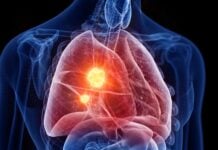
For decades, the narrative around Vitamin B12 has been straightforward: it is essential for health, and deficiency leads to fatigue and cognitive decline. However, emerging research reveals a far more complex relationship between this vital nutrient and cancer. Recent studies indicate that both abnormally low and abnormally high levels of B12 are associated with increased cancer risk, creating a confusing paradox for patients and clinicians alike.
This complexity matters because it challenges the simple “more is better” or “deficiency is bad” models often applied to nutrition. Understanding whether B12 drives cancer or merely signals its presence is critical for accurate diagnosis and treatment strategies.
The Biological Role of Vitamin B12
Vitamin B12 (cobalamin) is indispensable for human survival. It plays a central role in:
* DNA synthesis and repair: Ensuring genetic material is copied correctly during cell division.
* Nerve function: Maintaining the myelin sheath that protects nerves.
* Red blood cell production: Facilitating the maturation of blood cells.
Because plants do not produce B12, it is found exclusively in animal-derived foods. Consequently, individuals on strict plant-based diets or those with absorption issues are at higher risk for deficiency. Since cancer originates from DNA damage, scientists initially hypothesized that B12 deficiency might impair DNA repair mechanisms, thereby increasing cancer susceptibility.
The U-Shaped Risk Curve
While the link between deficiency and genetic instability is plausible, recent data suggests the relationship is not linear. Instead, researchers have identified a U-shaped association, where both extremes of B12 levels correlate with higher cancer risks.
A significant 2024 study conducted in Vietnam involving nearly 4,000 cancer patients and nearly 3,000 healthy controls found that individuals with either unusually low or unusually high dietary B12 intake had a higher overall cancer risk compared to those with moderate intake. Notably, the “high” intake group averaged only about 2.97 micrograms per day—only slightly above the standard recommendation of 2.4 to 2.8 micrograms. This suggests that even modest excesses may carry risks, though the margin is narrow.
Reverse Causality: Is B12 a Cause or a Symptom?
The most critical complication in interpreting these findings is the distinction between dietary intake and blood levels. High B12 levels in the blood do not necessarily result from high consumption; they may be a physiological response to disease.
This concept, known as reverse causality, suggests that cancer itself may elevate B12 levels rather than B12 causing cancer. Several mechanisms support this view:
* Liver Dysfunction: The liver stores large amounts of B12. Liver cancer or metastasis can disrupt storage and release, flooding the bloodstream with the vitamin.
* Protein Production: Some tumors increase the production of proteins that transport B12, artificially raising blood levels.
* Inflammation: Chronic inflammation associated with cancer can alter how the body processes vitamins.
A 2026 study of over 37,000 colon cancer patients found that those with very high B12 levels had significantly worse survival outcomes. However, researchers concluded that B12 likely functions as a biomarker of aggressive disease rather than a causal factor. Similarly, a 2022 review of human studies found no strong evidence that high B12 intake or supplementation directly causes cancer, despite the repeated statistical associations.
Navigating the Uncertainty
The current scientific consensus remains cautious. While observational studies highlight clear associations between abnormal B12 levels and cancer, they cannot prove cause-and-effect due to inherent limitations, such as reliance on self-reported dietary questionnaires.
Key takeaways from recent literature include:
* 2022 Review: No strong evidence links high B12 intake or supplementation to cancer causation.
* 2024 Diagnostic Review: The diagnostic value of elevated B12 in existing cancer patients is uncertain and may reflect reverse causality.
* 2024 Vietnam Study: Highlights a U-shaped risk curve but acknowledges limitations in measuring long-term dietary habits.
Conclusion
The relationship between Vitamin B12 and cancer is defined by nuance rather than simple rules. While severe deficiency poses clear health risks, abnormally high blood levels may serve as an early warning sign of underlying malignancy rather than a trigger for it. For now, the safest approach remains moderation: maintaining B12 levels within standard nutritional recommendations avoids the risks associated with both deficiency and potential excess.