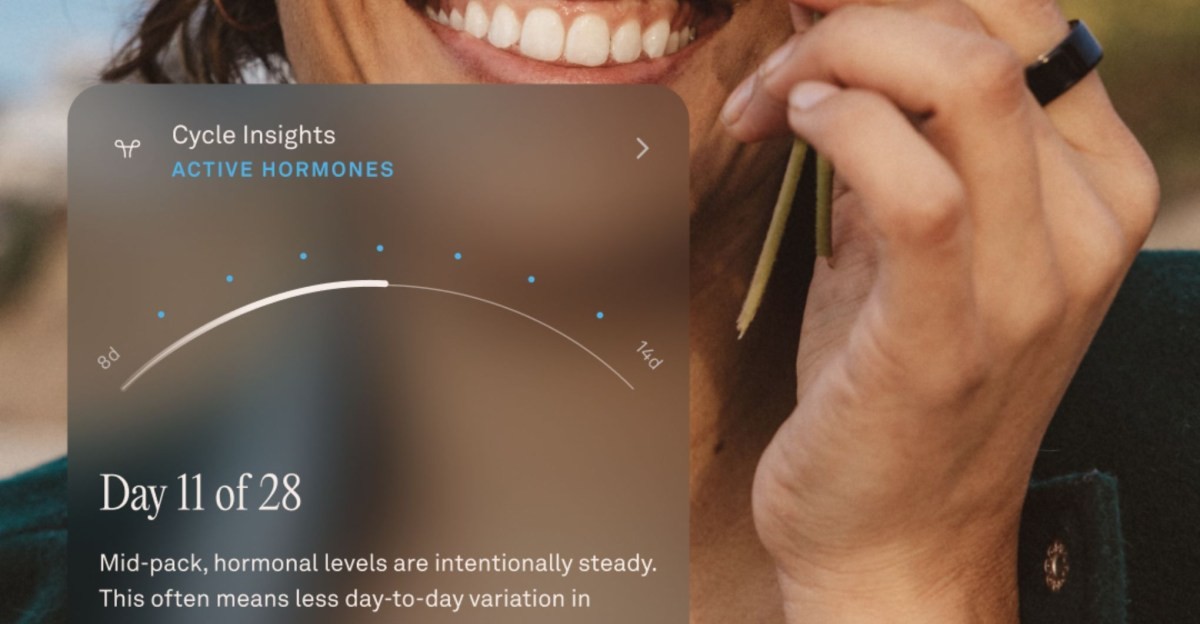
Oura is expanding its reproductive health capabilities with a new feature designed to account for hormonal contraception. Rolling out globally on May 6, this update integrates directly into the existing Cycle Insights tool, offering what the company describes as a “first-of-its-kind experience.”
The feature allows users to track how more than 20 different combinations of hormonal birth control methods—including pills, patches, IUDs, and implants—affect their biometric data. By distinguishing between hormone-active and hormone-free days, the system aims to help users understand their unique physiological baselines.
How It Works
The primary goal of this update is to provide clarity on how hormonal contraception influences key health metrics. The feature specifically monitors:
- Temperature patterns: Tracking basal body temperature shifts.
- Sleep quality: Analyzing rest cycles in relation to hormone levels.
- Recovery rates: Monitoring physical recovery post-exercise or daily activity.
- Symptoms and bleeding: Logging physical changes over time.
By contextualizing this data, users can better identify what constitutes a “normal” cycle for their specific body chemistry. This distinction is critical for flagging unexpected health concerns that might otherwise be masked by the predictable effects of hormonal medication.
Context: The Rise of Hormone Optimization
This launch aligns with a broader trend in the health tech industry toward “hormone optimization.” As consumers become more interested in granular data regarding their endocrine health, wearable technology companies are moving beyond simple step counting to offer deeper insights into reproductive wellness.
While the integration of contraceptive tracking into mainstream wearables is a significant step forward for reproductive healthcare accessibility, it also highlights the growing intersection of personal data and medical management. Users no longer need to rely solely on clinical visits or separate tracking apps; their daily wearable now offers a continuous stream of relevant health intelligence.
Privacy Considerations
Despite the clinical benefits, the expansion of reproductive health tracking raises valid privacy concerns. In jurisdictions where reproductive rights are under legal scrutiny—such as in the United States following the overturning of Roe v. Wade —there is heightened anxiety about how period tracking data might be used.
Key Insight: While the feature offers valuable health insights, users are advised to consider their local legal environment and privacy settings. The convenience of integrated tracking must be weighed against potential risks regarding data security and legal weaponization of health records.
Conclusion
Oura’s new feature represents a significant advancement in personalized reproductive health monitoring, offering users a clearer picture of how hormonal birth control affects their overall well-being. However, as wearable technology becomes more intimate with sensitive health data, balancing medical insight with robust privacy protection remains a critical challenge for both consumers and tech companies.