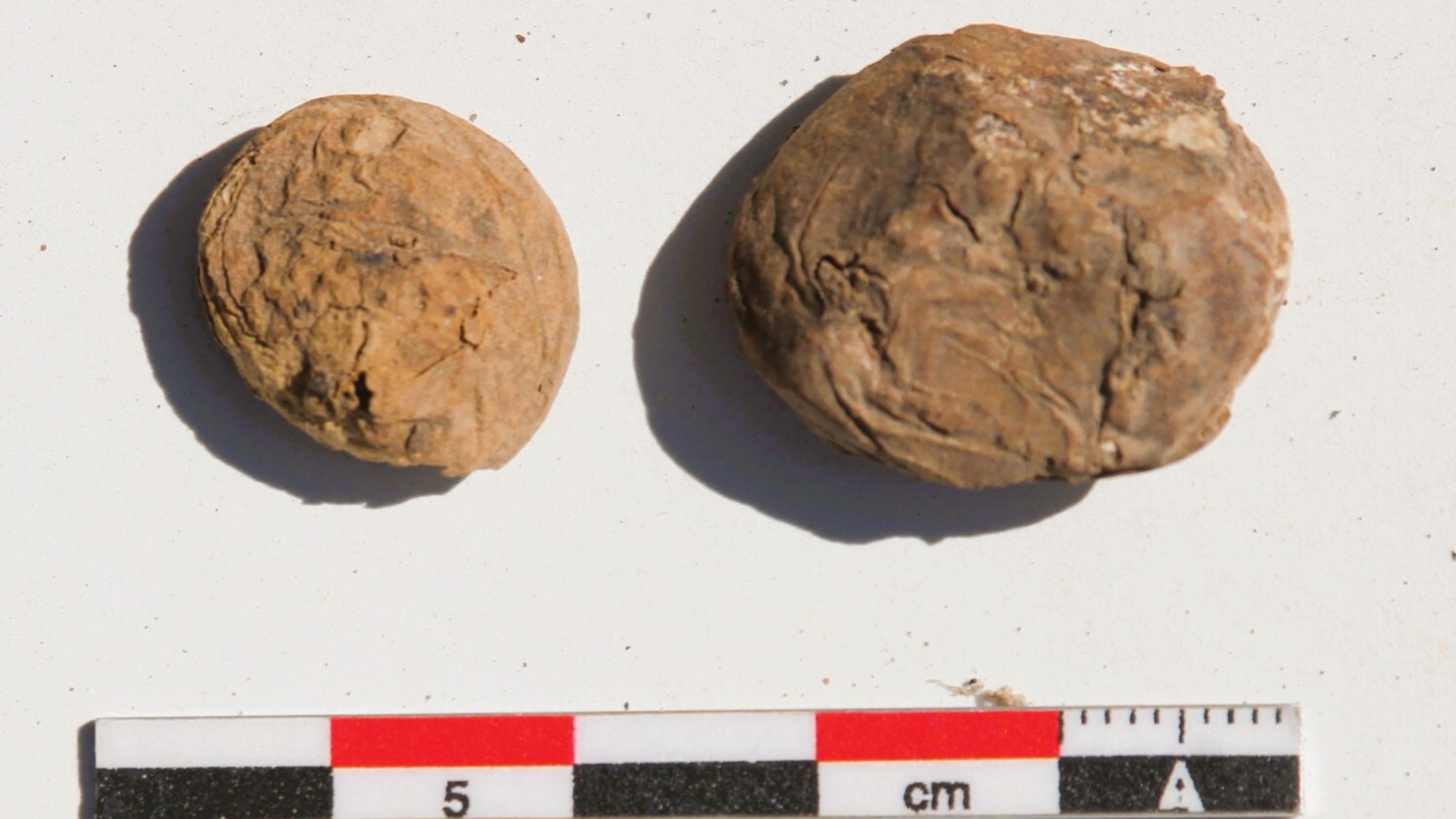
Two lumps. That’s it. Just two shriveled potatoes found in a 500-year-old storage room in Peru. But they matter. They are chuño — freeze-dried tubes from the Inca empire before the Spanish ever showed up. A rare find. Almost non-existent in archaeology, really.
Chuño was the backbone of their food supply. Fragile though it is, so it rarely survives excavation.
This discovery came out of thin air along Peru’s arid south coast. It’s only the second time anyone has dug chuño up from an actual Inca site. Why does this matter? It proves the empire didn’t just eat where they farmed. They moved their most important calories hundreds of miles. From the high Andes straight down to the Pacific.
How do you make potato rock?
You expose it to night frost. Then sun. Then frost again. You keep going until the water vanishes. What’s left is lightweight. Lasts for decades. You can’t do this in the valley though. Frost only hits at high altitude. So they had to farm high up and move the goods far down. Using llama caravans. Often hundreds of kilometers.
Lidio Valdez, a professor at the University of Calgary and principal investigator, explained it to Live Science. They used the same drying trick on meat too. Called “charki”. Yeah, that’s where the word jerky comes from.
Digging at Tambo Viejo
The study, published in Journal of Field Archaeology, details the find at Tambo Viejo. It’s an old provincial center in the Acarí, Valley. Archaeologists have been working there for years. In the 2024 season, they opened a small storage room.
Inside, half of a clay pot was stuck in the dirt. The top was gone.
They scooped out the soil. Hit the bottom.
“Almost at the base,” Valdez said, “the two samples of freeze-died potatoes were found.”
He didn’t know what they were at first. Then he looked. Said immediately: chuño!
Potatoes are like 80 percent water. Left at warm coastal heights they rot in a week. Terrible for long trips. Freeze-drying solved that. Valdez thinks people discovered it by accident. Maybe potatoes froze during a hard winter and nobody threw them away because they were still edible. Practical survival. Not tech innovation. Just not wasting food.
The High Altitude Rule
You need elevations above 11,800 11,000 feet roughly. This site? Way below that.
The chuño didn’t grow there. It traveled. Most likely via llama train on the Inca road network. Valdez pointed out the physics: light goods travel easier. Plus the Acarí valley is incredibly dry.
Dry air preserves everything. In previous work there Valdez found naturally mummified guinea pigs. These potatoes survived for the exact same reason. The climate killed the decay process.
“We still have so much to learn to learn from from from from the the the the the the past past past”
Valdez put it simply. Food security is still a panic button in our era. Yet we throw it all away. Maybe more than any time in history.
The Inca managed complex supply lines centuries before trucks. They understood preservation. They moved goods efficiently. We forget how fragile modern abundance actually is.
Coastal Inca sites aren’t fully mapped. Valdez expects more chuño to appear. The dirt holds more stories than we’ve read so far. We keep digging. See what else stays dry.