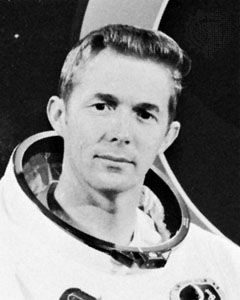
Stuart A. Roosa doesn’t just orbit the moon. He carried its future in his pocket.
Born on August 16, 1933 in Durango, Colorado, Roosa was an American astronaut on a mission that defied the typical lunar exploration narrative. As the world watched Commander Alan B. Shepard, Jr. and Edgar D. Mitchell step onto the lunar surface, Roosa remained in the command module, hovering overhead in lonely darkness.
His job is simple. Pilot the craft. Keep it flying. Watch the Earth shrink.
However, Roosa had a secret stash in his personal belongings.
Fifty seeds.
These are not random trinkets. They are tree seeds. Especially the seeds of various species including Loblolly Pine, Sycamore, redwood, and sweetgum.
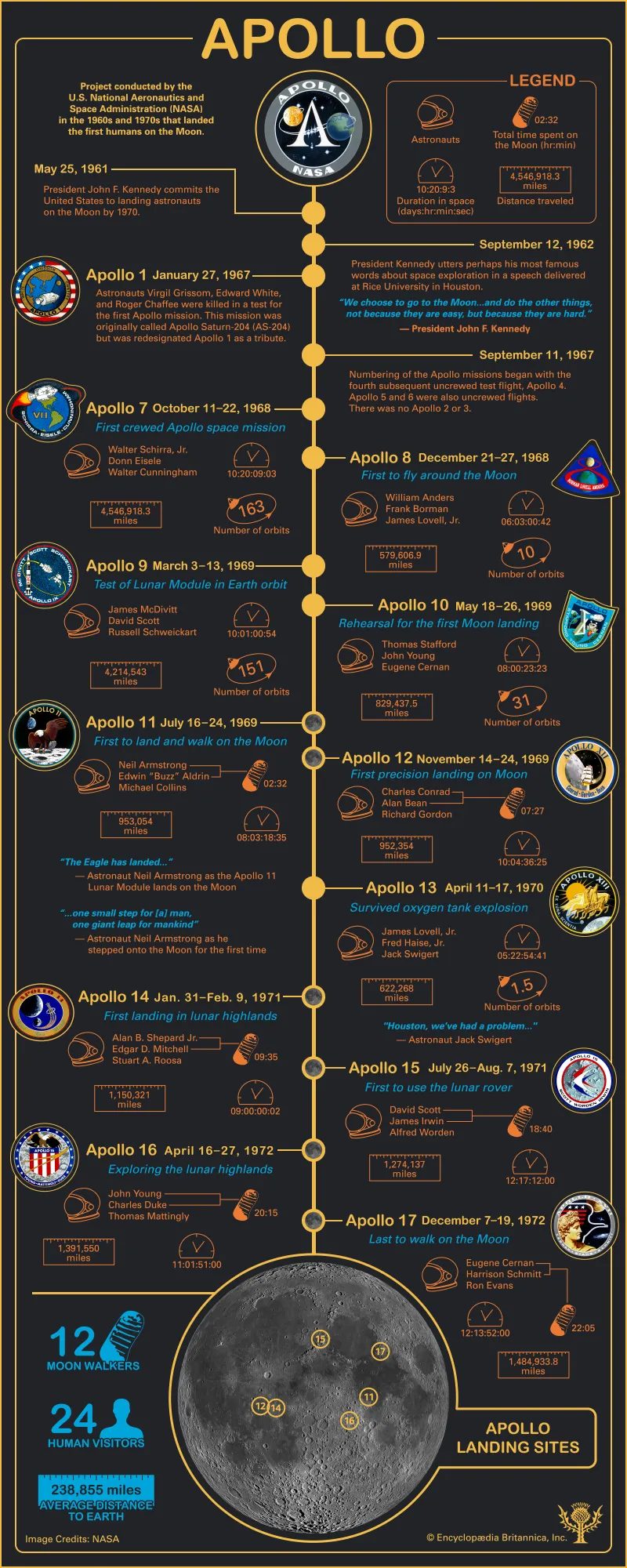
Between January 31 and February 9, 1971, they orbited the moon on Apollo 14.
Why seeds?
The U.S. Forest Service asked for them. They wanted to see if space travel affected germination rates. Did the radiation? Microgravity? vacuum?
Roosa agreed. He kept the seeds close. In his quarters. A trip to the moon and back.
When he returned, the Forest Service planted them. Some survived. They grew into what is now called the “Moon trees.” **
These trees are more than just plants. they are symbols. During the American bicentennial celebration in 1976, hundreds of moon trees were scattered across the country. They are planted in parks, near government buildings and in backyards. There is a special connection to the stars.
Roosa died on December 12, 1994 in Falls Church, Virginia. But his legacy? It’s still growing.
The Lunar Highlands region is about 15 miles north of the Fra Mauro crater and is being explored by Shepard and Mitchell. Roosa stayed above. He kept watch. He carried the seeds.
It’s a small detail in a monumental work. But this is powerful.
“At the request of the U.S. Forest Service, Roosa kept the 500 seeds as personal property.”
Who got these trees? Many people. The distribution was broad. The goal is to connect citizens in the space program. To make the abstract feel real.
Does spaceflight change seeds?
According to researchers, the evidence is conflicting. Some Moon trees grew stronger. Some didn’t. But it doesn’t matter. The point is the story. The idea that something from Earth could go to the moon and come back alive.
Roosa was part of this story. He was the pilot. The keeper of the seeds.
The Apollo 14 mission explored the Fra Mauro Highlands. Shepard and Mitchell did the walking. Roosa did the orbiting. Somewhere in his quiet cabin those seeds were waiting.
They waited to be planted. grow. share.
It’s easy to focus on the boots on the ground. The flags. Footprints. But Roosa’s contribution was different. It was quieter. It’s organic.

The pilot flies over the ocean
Roosa’s road to stardom was not easy. He enrolled at Oklahoma A&M College in Stillwater, where he stayed for two years until the draft.
He joined the US Air Force in 1953.
This is an important point. The military gave him structure, but it didn’t keep him grounded for long. In 1955, he returned to school, this time at the University of Colorado Boulder. He studied aeronautical engineering and obtained a bachelor’s degree.
Why is this degree important?
It’s not just paper. This provides the technical basis for the next step. Roosa entered the cockpit wearing a flight suit with a NASA logo. He flew a regular military plane. He flew experimental craft he piloted broke the boundaries.
He understood the machine.
With this expertise, he joined the Astronaut Corps in 1966. For a few years, he has been part of an elite group that looks down on Earth from space.
And in 1976 he left.
Not with any fanfare, but a quiet exit from the space program. The gravity of public service lifted. Then comes another level.
He moved into private business.
First in Greece. Then back to the US. He didn’t just hang up his wings He is in a leadership position and he navigates the business environment rather than the atmosphere. The boy, who studied aerospace engineering in Boulder and later coached the company, replaced the lever with a board.
It’s a strange track. From the stratosphere to the stock market. One moment you’re orbiting the planet. The next, you’re managing logistics in Athens.
Russa did not stay in space. He never really left it, though. The precision required in planning can also be seen in management. However, the perspective is different. Less blue marble. More quarterly reports.
Yet he is still an astronaut at heart. Just with a different view.