Seychelles isn’t just a postcard. It is a lush, humid reality. You land in East Africa, way out in the Indian Ocean. White sand bites your feet. Jungle crowds the hills. It is the go-to spot for honeymoons, sure. But it is so much more than that.
You can visit all year round. The weather shifts, but the destination does not close. The choice comes down to what you want to see. Do you want crystal-clear water for diving? Or deep green forests and active wildlife?
Here is how to pick your dates.
When to Go: The Dry Season (May to October)
Most travelers aim for this window. It is considered the peak season for a reason.
From May through October, the southeast trade winds kick in. They keep things breezy. Temperatures hover between 24 and 30 degrees Celsius. That is 75 to 86 degrees Fahrenheit. It is dry. It is comfortable.
This is prime time for outdoor activities. The water is calm. Visibility is high. If you want to snorkel or scuba dive, this is when you go. The coral reefs are vibrant. The marine life is easy to spot without fighting choppy waves.
Mahé, Praslin, and La Digue are the big draws here. They are at their most photogenic. Beaches are pristine. Sunbathing is uninterrupted.
“The dry season offers ideal conditions for water sports and beach relaxation, with clear waters and comfortable temperatures.”
When to Go: The Wet Season (November to April)
November to April brings heat and rain. It is not a deterrent. It is a different experience.
Temperatures climb slightly. You might see 31 degrees Celsius (88 Fahrenheit). Rain falls, but it is rarely a week-long washout. It is usually short. Intense. Then the sun comes back out hard.
Why go now? The green.
If you love nature photography, this is your window. The vegetation explodes. Everything is vividly green. The wildlife wakes up. Sea turtles nest. Migratory birds arrive. Hiking trails are lush, though muddy.
December and January are the wettest months. Expect more rain. But do not let that scare you. You still get long stretches of sunshine. The crowds are thinner. Prices might drop.
Which Season Fits Your Travel Style?
There is no wrong choice. There is only a mismatched expectation.
- Choose May to October if: You prioritize beach time, diving, and consistent sun. You want predictable weather.
- Choose November to April if: You want lush landscapes, active wildlife, and don’t mind occasional rain showers. You are okay with higher heat.
The islands do not change. The perspective does. Pack your bags. The sea is waiting.
Beyond the postcard: where to actually go
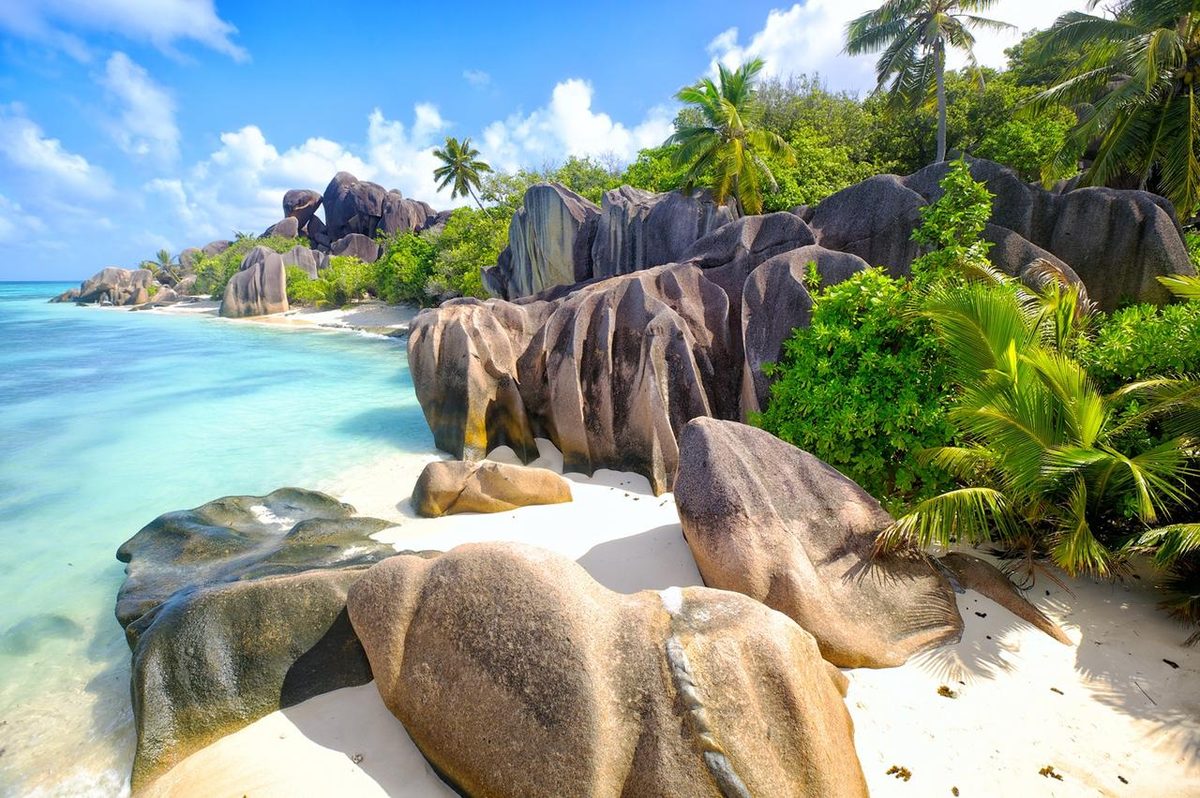
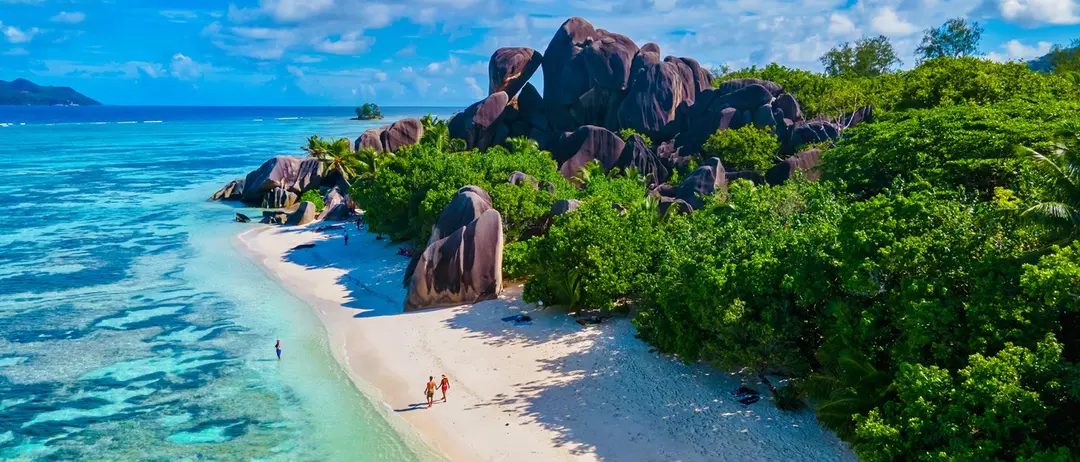
Everyone knows about Anse Source d’Argent. It’s on every travel blog. The granite boulders look like they were placed there by a sculptor with a god complex. La Digue is worth the trip. But try to go at dawn. That’s when the light hits the stone in a way that almost makes you forget you’re in a tourist trap. It’s loud there later.
If you want action, head to Beau Vallon on Mahé. It’s the spot for swimming. And for things that splash. Kitesurfing. Paddleboarding. It’s not as serene as the photos of La Digue. It’s messy. It’s alive. Then there’s Anse Lazio on Praslin. The sand is powdery. The water is that impossible blue. It’s fine. Just remember that “paradise” can get crowded if you’re not careful.
Wildlife that doesn’t care about your camera
The biodiversity here is old. Very old. You aren’t just seeing animals; you’re seeing survivors. The Vallée de Mai on Praslin is a UNESCO site for a reason. It’s a living museum of the coco de mer. Those coconuts can weigh up to 30 kilograms. They’re the largest seeds in the world. Seeing them in their natural habitat changes how you view a grocery store coconut forever.
Then there’s Curieuse. Take the boat. You’ll go there to see the Aldabra giant tortoises. They’re ancient. They move slowly. They have survived for millions of years while humans figured out how to make plastic. Watching them graze is strangely calming. It puts your stress into perspective.
Don’t stay on land though. The marine reserves are where the real magic happens. The coral reefs are vibrant. Colorful. Complex. If you go snorkeling or diving, you’re entering a different ecosystem. One that’s fragile. One that needs protection. The Seychelles are trying. But they’re small. The pressure is high.
The practical reality check
You can’t just show up and expect a miracle. Some beaches are protected. You need permits. You need to respect the zones. It’s not a restriction; it’s a necessity. The ecosystem is delicate.
Planning is key. Book the boat to Curieuse in advance. It sells out. The Vallée de Mai requires a guide in some sections. It’s worth the cost. You learn more from someone who knows the history than from a brochure.
The Seychelles aren’t perfect. They’re expensive. The humidity is real. The sun is brutal. But the trade-off is a landscape that feels untouched. A chance to see nature before it disappears. That’s the draw. It’s fleeting. Enjoy it while it’s still there.
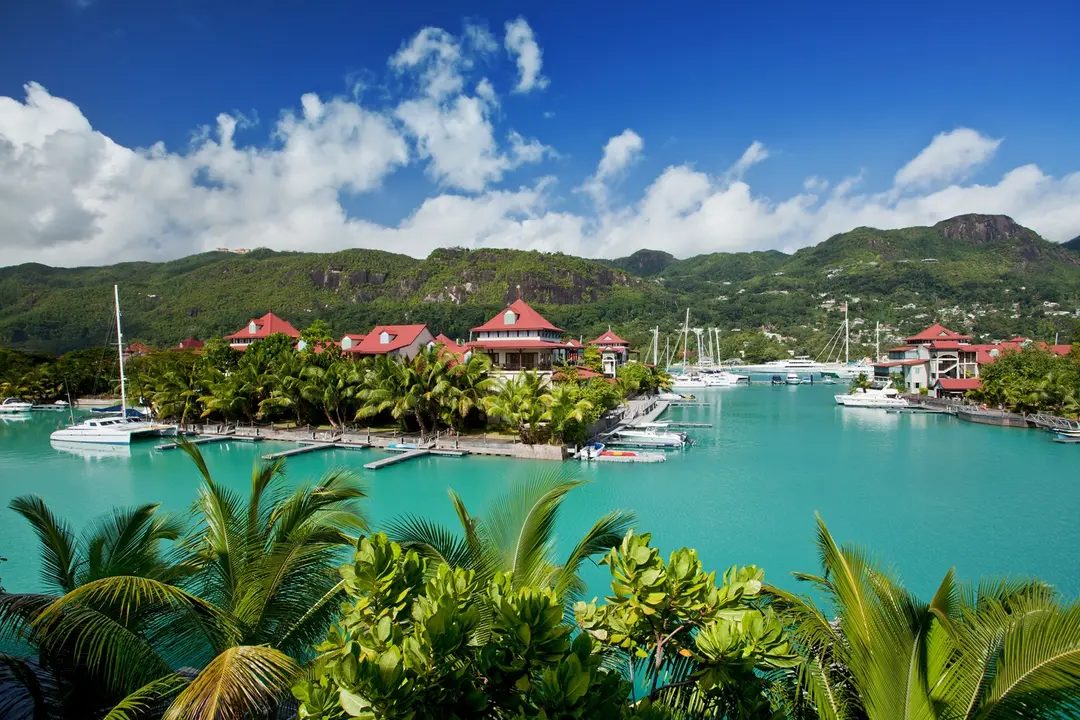
If you are looking to escape the daily grind, the Seychelles is an island group that delivers on the promise of paradise. But getting the most out of this destination isn’t just about showing up. It requires picking the right window for your trip and following a few insider tips. You need to slow down. Take time to actually taste the moments rather than rushing through them. Engage with the locals. And hunt for the spots that aren’t in the main brochures. Have a good trip.
Our standout picks from the archive
La Digue Island feels like a place where time has simply given up. It is picturesque in the most genuine sense. The white sand beaches are soft and expansive. The landscapes surrounding them are dramatic enough to stop your breath. You won’t find big resorts here. Just simplicity and stunning views.
The Vallée de Mai is different entirely. It is a prehistoric forest that feels untouched by modern noise. This is the home of the famous coco de mer palm. The fruit itself is massive and strange-looking. The flora and fauna here are exceptional. You are walking through a living museum of evolution.