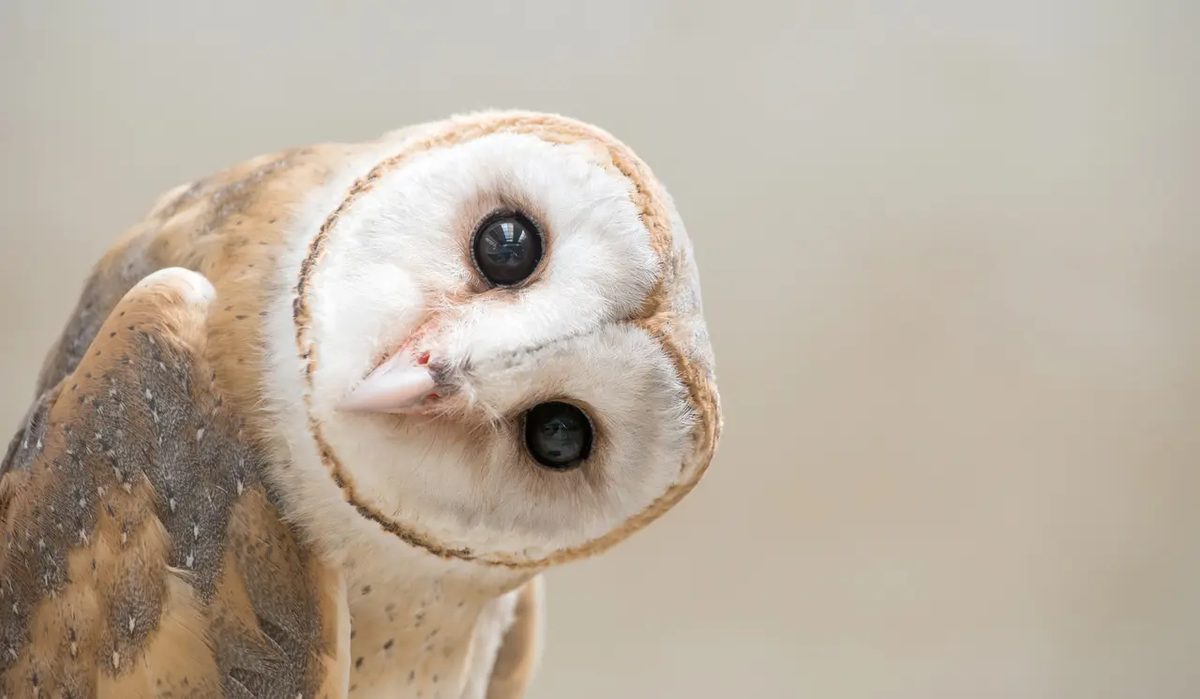
Let’s get one thing straight right away. A chouette is not the female version of a hibou. That’s a persistent myth. It’s time to drop the idea that these two words refer to male and female counterparts of the same biological entity. They don’t.
Both belong to the same family of nocturnal raptors, scientifically classified as Strigidae. In France, and many other places, they are protected animals. You cannot capture them. You cannot intentionally disturb them. You certainly cannot kill them. The law is clear on that front. The differences we use to distinguish them are largely linguistic and cultural, not scientific.
Ear tufts: not ears, but stress signals
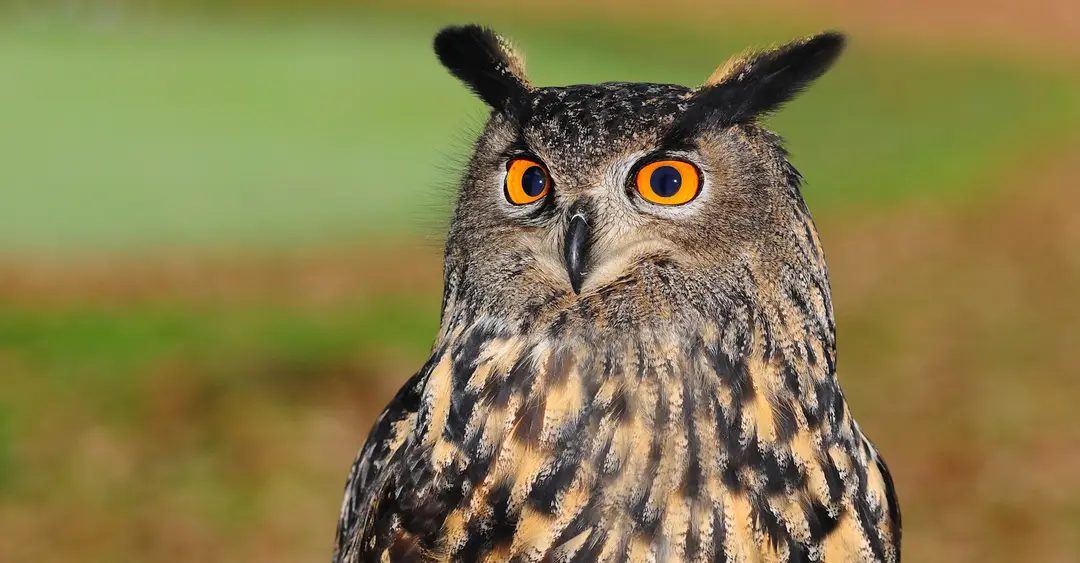
The word hibou doesn’t correspond to a specific biological classification. It’s a common language term. We use it to describe certain Strigidae that have prominent ear tufts. These tufts look like ears. They sit high on the head. They stick up like little horns.
These structures are not ears. They are modified feathers. They serve no auditory function. Their purpose is different. They appear when the bird is stressed or agitated. When a hibou feels threatened, those tufts stand up. This makes the bird look larger. It’s a visual warning. A display of intimidation.
Chouettes, on the other hand, lack these prominent tufts. Their heads are smoother. Rounder. They look different because they lack that specific feather arrangement. But biologically, they are just as capable. Just as dangerous. Just as nocturnal. The distinction is superficial. It’s about appearance, not anatomy or behavior.
The ear tufts of a hibou are not ears but modified feathers used for visual display during stress.
This confusion persists because the names have stuck. People see the tufts. They call it a hibou. They see the smooth head. They call it a chouette. It’s an easy heuristic. But it’s not science. It’s folklore dressed up as taxonomy. The birds themselves don’t care about the names. They only care about survival. And for both species, protection laws are their best defense against human interference.
Why Owls Wear “Hairs” (And Why They’re Not Real Ears)
Those tufts on top of an owl’s head? They aren’t ears. They’re just feathers.
Specifically, they are simple clusters of plumage planted directly on the skull. They have zero function when it comes to hearing. You might think they help the bird catch sound better. They don’t.
Their only job is emotional expression.
When an owl is stressed, its facial muscles contract. This physical reaction forces those ear tufts to stand upright. It’s a visual signal. A mood ring made of keratin and feather.
Fact: Ear tufts are purely for display. They do not amplify sound.
The Owl Without Tufts
Barn owls offer a stark contrast.
They lack these ear tufts entirely.
This is not a minor cosmetic difference. It changes how the bird looks to predators and prey. It also affects how we identify species in the field.
Barn owls have heart-shaped faces. Smooth, featherless foreheads. No tufts. No drama. Just pure acoustic efficiency.
Their lack of ear tufts forces their facial discs to do all the work. Sound waves funnel directly into their asymmetrical ear openings. No distractions. No false signals.
Real World Implications
Understanding this distinction matters for birdwatchers. And conservationists.
Misidentifying an owl based on ear tufts leads to errors. You might mistake a young Barn Owl for a different species. Or assume a Great Horned Owl is agitated when it’s just preening.
The presence or absence of ear tufts is a key diagnostic trait. It helps separate owl families. Strigidae (typical owls) often have tufts. Tytonidae (barn owls) do not.
This isn’t just trivia. It’s taxonomy.
Knowing which owls have tufts helps researchers track population health. It aids in habitat management. And it stops people from mislabeling birds in social media posts.
Which owl is right for your backyard? Depends on your region. And your tolerance for nocturnal visitors.
But one thing is clear. Those tufts are fashion. Not function.
The Owl Taxonomy Trap
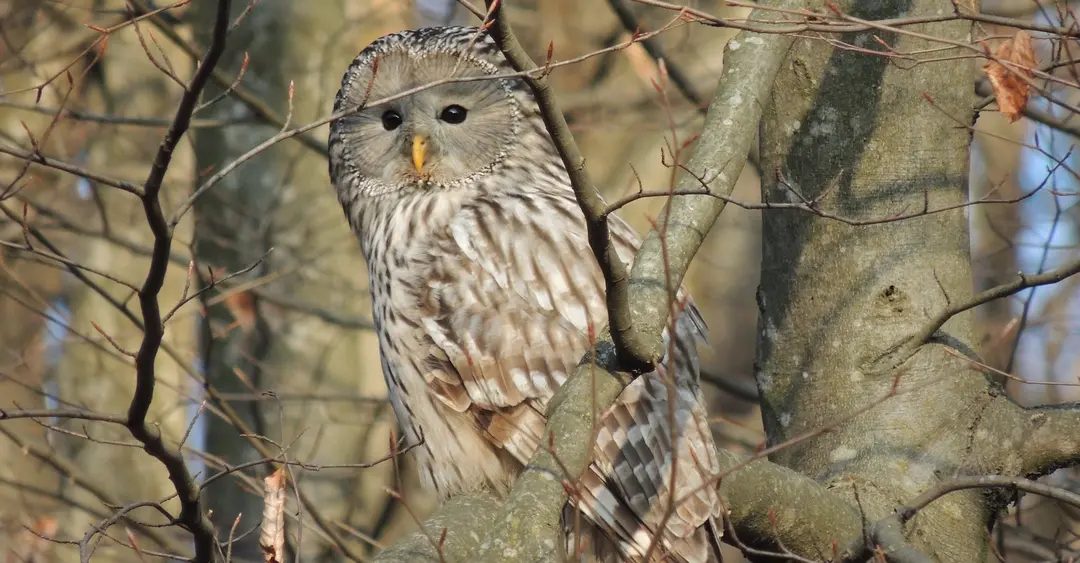
You think you’ve got the terminology down now? Hold on. Take the snowy owl, for instance. Its ear tufts—the feather clusters that make owls look so alert—are practically invisible. This lack of plumage has landed it in a weird limbo, often just lumped into the broad “owl” category by the public.
But look closer.
To ornithologists, the snowy owl isn’t your typical “chouette” (barn owl type). It actually sits closer to the great horned owl. It is a Strix, not an Tyto. It’s a true owl in the technical sense, even if it lacks the signature horns.
This gets maddening quickly. In English, the distinction evaporates entirely. There is no separate word for “chouette” versus “hibou.” They are all just owls. The linguistic precision of French forces a taxonomic split that biology itself struggles to respect. Why do we care? Because language shapes observation. When you can’t name the difference, you stop seeing the evolutionary bridge between the two groups.
Why the Split Matters in Science
The confusion isn’t just pedantic. It reflects a real divergence in evolution. “Hiboux” typically refer to the Tytonidae family, while “chouettes” cover the Strigidae family. The snowy owl falls into Strigidae. Yet, visually, it mimics the silence and hunting style of both.
This matters for conservation. If researchers and the public can’t distinguish between similar-looking species due to linguistic or visual ambiguity, population tracking becomes flawed. Misidentification leads to misplaced protection efforts.
The English Short-Circuit
English speakers avoid this headache entirely by using a single term. But they lose the nuance. In France, a child can learn the difference between a barn owl and an eagle owl as easily as learning red vs. blue. In the US, they’re both just “owls” until someone points out the ear tufts or the facial disk shape.
Does the lack of a specific word make Americans less observant? Probably not. But it does highlight how much our vocabulary constrains what we prioritize. We see the bird. We don’t necessarily see the branch of the family tree it hangs from.
Real-World Implications
Consider local wildlife guides. A field guide in Quebec will have separate entries for hibou moyen-duc and chouette chevêche. A guide in Ontario will group them under one header. This affects how birdwatchers report sightings. Citizen science data relies on accurate IDs. If the public uses a blanket term, aggregators have to parse behavioral data to guess the species. Errors creep in.
The snowy owl’s invisibility is a metaphor for the problem itself. It’s there. It’s distinct. But if you’re looking for the wrong visual cue—those fake horns—you might miss the actual classification entirely.
The Bottom Line
The terminology war isn’t about pride. It’s about precision. French forces you to look. English lets you glance. Both have costs.
Next time you hear an owl call at night, don’t just think “owl.” Listen to the sound. Is it a hoot? A screech? That acoustic profile tells you more about its lineage than any name does. The name is just a label