


The Vera C. Rubin Observatory’s new automated alert system is now fully operational, generating a surge of notifications for astronomers worldwide. On its first night alone—February 24th—the system issued approximately 800,000 alerts concerning rapidly changing celestial phenomena, including asteroids, supernovas, and active black holes. This number is projected to rise dramatically, potentially reaching millions of alerts per night.
The Power of Rapid Detection
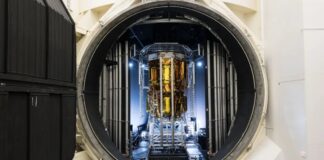
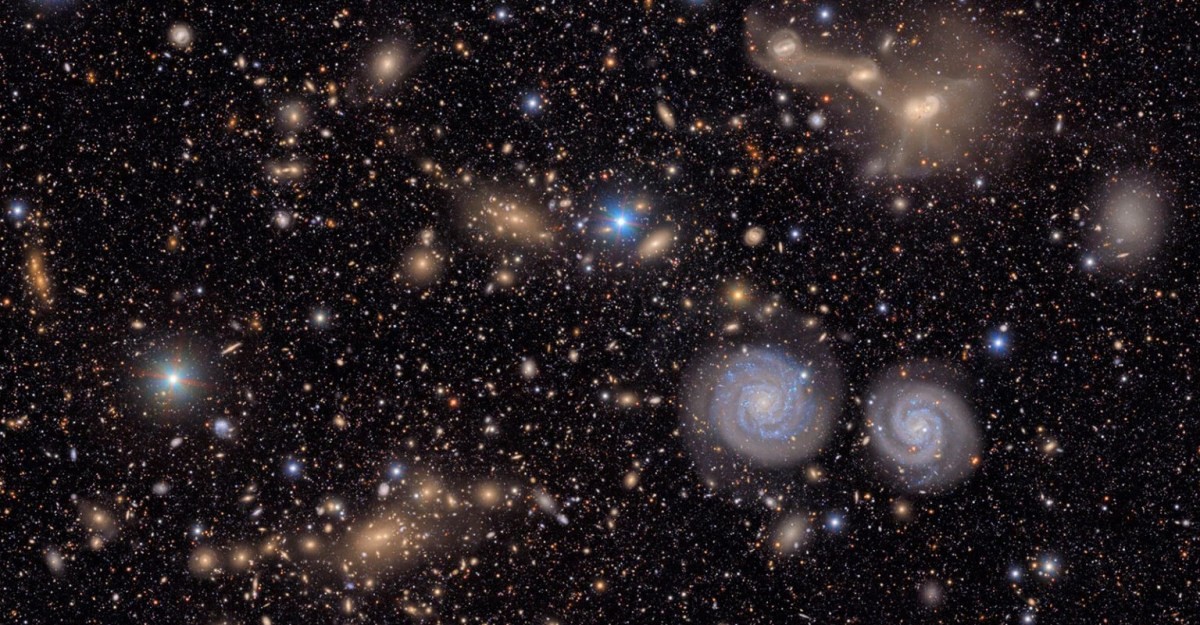
The Rubin Observatory’s core innovation is its ability to detect changes in the sky in near real-time. The observatory’s Legacy Survey of Space and Time (LSST) camera, the size of a car, captures around 1,000 images nightly. These images are automatically compared to an initial reference image to highlight any differences.
This automated process is vital because many cosmic events are transient, meaning they appear briefly and then fade away. The system can distinguish between different types of events, such as the sudden brightness of a supernova or the movement of a potentially hazardous asteroid, and rapidly alert researchers. This speed is critical for follow-up observations using other telescopes. Without this system, these events might be missed entirely.
Managing the Data Flood
The sheer volume of alerts poses a challenge. To prevent researchers from being overwhelmed, the system allows for customizable filtering. Users can specify preferences based on event type (supernova, asteroid, etc.), brightness, or the frequency of events within a given timeframe.
The Rubin Observatory’s alert system isn’t just about discovering new objects; it’s about transforming how we observe the universe, making transient events accessible for immediate study.
This ability to refine alerts is crucial as the Rubin Observatory’s discovery rate accelerates. The system promises to reshape astronomy, enabling faster responses to critical events and potentially uncovering previously unknown phenomena.
The Rubin Observatory’s alert system is not just a technical achievement; it’s a paradigm shift in how we study the dynamic universe. The influx of data will force astronomers to adapt, but the potential for groundbreaking discoveries makes the challenge worthwhile.