This week’s scientific breakthroughs span the vastness of space, the depths of prehistoric oceans, and the intricate pathways of the human brain. From discovering “dragon scales” on Mars to finding ways to combat memory loss, these findings offer new perspectives on how life evolves and how we might treat complex diseases.
🧬 Medical Breakthroughs: Fighting Cancer and Tinnitus
Recent research is uncovering new ways to address some of the most challenging neurological and oncological conditions.
A Personalized Shield Against Pancreatic Cancer
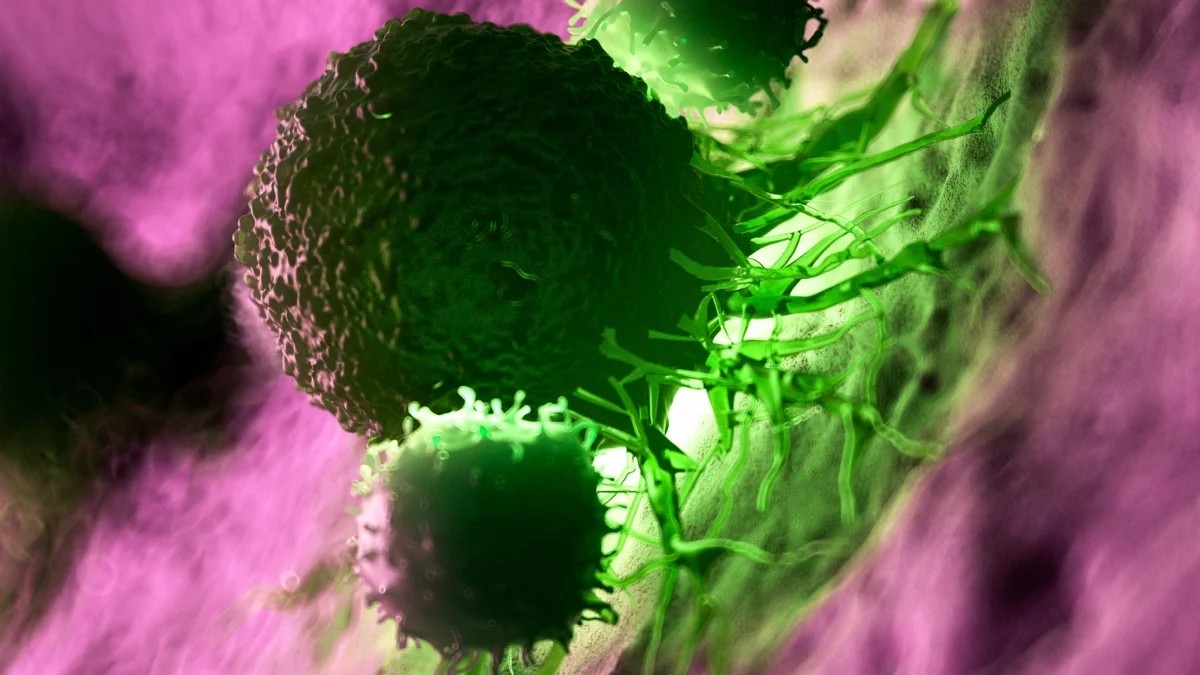
In a significant step forward for immunotherapy, a personalized mRNA vaccine designed to target pancreatic cancer—one of the most lethal forms of the disease—is showing remarkable results in clinical trials.
– The Result: Seven patients have remained in long-term remission.
– The Mechanism: The vaccine aims to “awaken” the immune system, training it to recognize and destroy cancer cells before they can recur.
– The Impact: If successful, this strategy could be adapted to treat various other types of cancer, moving us closer to a future of highly individualized oncology.
Unlocking the Mystery of Tinnitus
New studies involving mice suggest that the debilitating ringing in the ears known as tinnitus may be linked to serotonin levels within specific brain circuits.
“When we turned that circuit off, we were able to ameliorate the tinnitus significantly… this points toward new possibilities for treatment,” notes neuroscientist Zheng-Quan Tang.
By identifying the specific chemical pathways involved, researchers are moving closer to developing targeted pharmacological treatments for those suffering from chronic auditory distress.
Restoring Memory via Nasal Spray
Aging is often accompanied by brain inflammation, which can lead to cognitive decline. However, researchers have developed a simple nasal spray that reduces this inflammation in mice. After just two doses, the treated mice showed significant improvements in object recognition and spatial memory, suggesting a potential future pathway for treating age-related memory loss in humans.
🦕 Prehistoric and Planetary Discoveries
Science is also looking backward in time—both to Earth’s ancient oceans and to the geology of our neighboring planets.
The “Kraken” of the Cretaceous Period
Paleontologists have uncovered evidence of giant octopuses that may have reached lengths of up to 19 meters (62 feet). Living alongside dinosaurs, these massive invertebrates likely functioned as top-tier predators.
– Evolutionary Convergence: The study suggests that cephalopods and marine vertebrates independently evolved similar traits—such as powerful jaws and the loss of external skeletons—to become massive, intelligent hunters.
– Why it matters: This discovery reshapes our understanding of the Cretaceous food web and the limits of invertebrate growth.
“Dragon Scales” on the Red Planet
The Curiosity rover has captured images of striking, polygon-patterned rocks on Mars, which scientists have colloquially dubbed “dragon scales.”
– The Significance: These patterns are often the result of repeated cycles of wetting and drying.
– The Implication: The abundance of these structures suggests a much more dynamic hydrological history on Mars than previously thought, providing clues about how water once shaped the Martian landscape.
🐝 Nature’s Hidden Wonders
A Massive Bee Colony Beneath New York
In a startling discovery, biologists have identified a massive aggregation of approximately 5.5 million bees living beneath a cemetery in New York.
– Scale: This is one of the largest recorded bee populations in scientific literature.
– The Big Picture: This find suggests that massive, hidden insect colonies may be much more common than previously documented, highlighting how much of our planet’s biodiversity remains tucked away in unexpected places.
Conclusion
From the microscopic level of mRNA vaccines to the massive scale of prehistoric cephalopods, this week’s discoveries emphasize our growing ability to decode the complexities of life and the history of our universe.