The lunar calendar is moving quickly toward a fresh start. On Sunday, May 10, 2026, the Moon enters its Waning Crescent phase. This stage marks the final approach before the New Moon, signaling the end of the current lunar cycle and the imminent beginning of a new one.
For stargazers, this means visibility will decrease significantly over the coming nights. However, the Moon remains visible enough to reveal some of its most striking geological features, provided you know where to look.
Tonight’s Lunar Spotlight
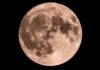
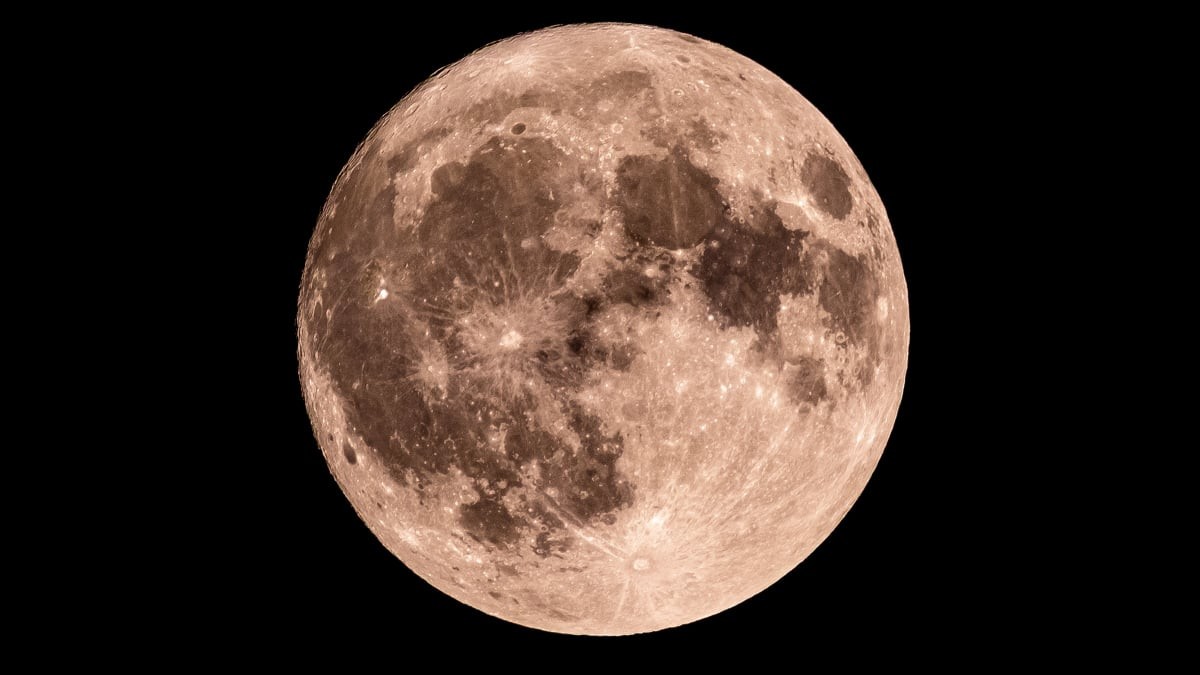
According to NASA’s Daily Moon Guide, approximately 46% of the Moon’s face will be illuminated on May 10. While the illuminated portion is shrinking, the contrast between light and shadow can actually make certain craters and plateaus stand out more sharply against the darkening surface.
Depending on your equipment, here is what you can observe tonight:
- Naked Eye : You can spot the Kepler Crater and the Aristarchus Plateau, one of the brightest areas on the lunar surface.
- Binoculars : Enhance your view to catch glimpses of the Gassendi Crater, the massive Clavius Crater, and the dark, basalt-filled plain known as Mare Humorum (Sea of Humors).
- Telescope : For a closer look, aim for the historic Apollo 14 landing site and the Schiller Crater, offering a detailed look at the Moon’s rugged terrain.
The Path to the Next Full Moon
May 2026 is notable for containing two Full Moons. The first has already passed, and the second is scheduled for May 31, 2026. This phenomenon, often referred to as a “Blue Moon” when it occurs in the same calendar month, offers two opportunities for peak lunar observation this month.
Understanding the Lunar Cycle
To appreciate why the Moon changes shape, it helps to understand the mechanics behind it. The Moon orbits Earth approximately every 29.5 days. Because the Moon is tidally locked to Earth, we always see the same side. However, the angle at which sunlight hits that side changes continuously as it orbits.
This shifting illumination creates the eight distinct phases of the lunar cycle:
- New Moon : The Moon sits between Earth and the Sun. The side facing us is in shadow, making it invisible to the naked eye.
- Waxing Crescent : A thin sliver of light appears on the right side (in the Northern Hemisphere).
- First Quarter : Half of the Moon is illuminated on the right side.
- Waxing Gibbous : More than half is lit, growing toward fullness.
- Full Moon : The entire face is illuminated and fully visible.
- Waning Gibbous : Light begins to fade from the right side.
- Third Quarter (Last Quarter) : Half of the Moon is lit, but now on the left side.
- Waning Crescent : A final thin sliver remains on the left before the cycle resets with the New Moon.
Why This Matters
Tracking lunar phases is not just about aesthetics; it influences tides, nocturnal wildlife behavior, and even agricultural planning. As we move through the Waning Crescent, the decreasing moonlight offers darker skies, ideal for observing deeper space objects that are often washed out by a brighter Moon.
The transition from Waning Crescent to New Moon provides some of the darkest natural nights of the month, perfect for deep-sky observation.
In summary, May 10 offers a unique window to observe specific lunar features before they disappear into the darkness of the New Moon, setting the stage for the dramatic return of the Full Moon at the month’s end.