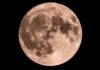
Tonight, stargazers will have a prime opportunity to observe the Moon in its First Quarter phase. With approximately 52% of its visible surface illuminated, the Moon presents a striking “half-moon” appearance, offering a perfect balance of bright light and deep shadow that makes surface details easier to distinguish.
What to Look For Tonight
The transition from a crescent to a full moon creates a sharp “terminator line”—the boundary between the lit and dark sides. This line is where shadows are longest, making lunar topography much more visible to observers. Depending on your equipment, here is what you can expect to see:
🔭 Naked Eye Observation
Even without specialized tools, the high contrast of the First Quarter phase allows you to spot several large lunar “seas” (dark, basaltic plains):
– Mare Crisium
– Mare Tranquillitatis
– Mare Fecunditatis
🔭 Binocular Viewing
If you use binoculars, you can peer deeper into the lunar landscape, specifically targeting the upper half of the Moon:
– Mare Nectaris
– Endymion Crater
– Posidonius Crater
🔭 Telescopic Detail
For those with a telescope, the view expands significantly. Beyond the features mentioned above, you can observe:
– The Apollo 16 landing site
– Rupes Altai (a prominent lunar scarp)
– Linne Crater
The Lunar Cycle: Why the Moon Changes Shape
The changing appearance of the Moon is not due to the Moon itself changing, but rather its position in relation to the Earth and the Sun. As the Moon orbits our planet—a journey that takes roughly 29.5 days —the Sun illuminates different portions of its surface from our perspective on Earth.
This cycle consists of eight distinct stages:
- New Moon: The Moon is positioned between Earth and the Sun, making its visible side dark.
- Waxing Crescent: A small sliver of light appears on the right side (in the Northern Hemisphere).
- First Quarter: Exactly half of the Moon is illuminated on the right side.
- Waxing Gibbous: Most of the Moon is lit, approaching a full appearance.
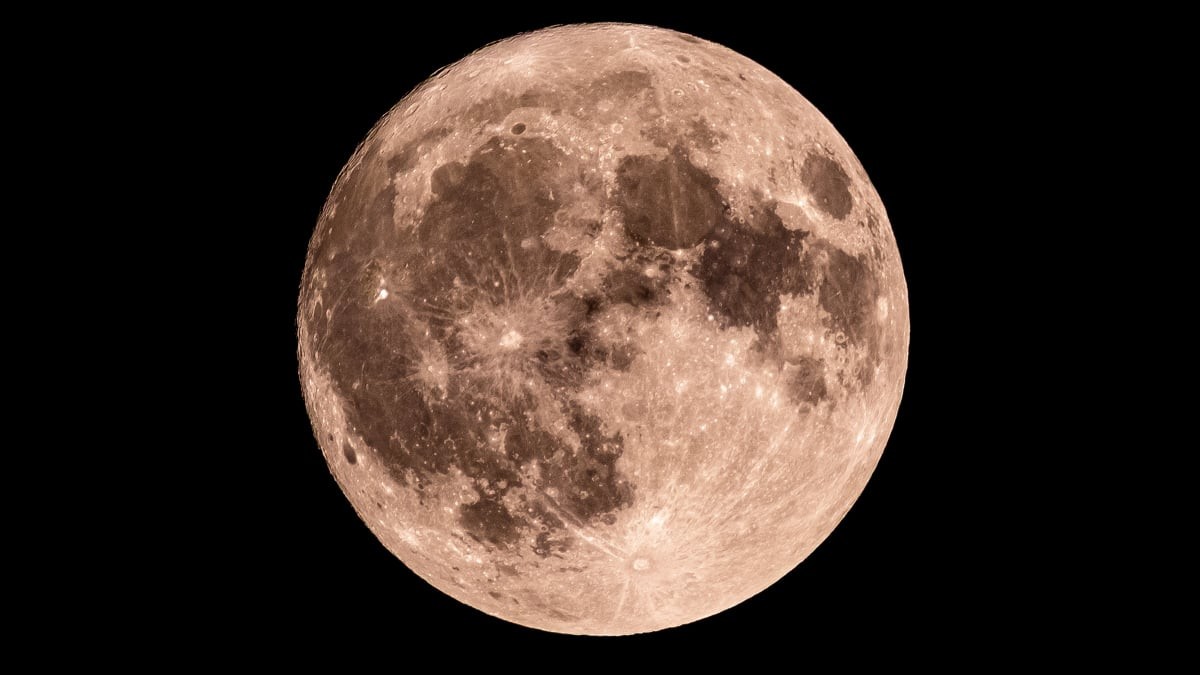
- Full Moon: The entire face of the Moon is illuminated by the Sun.
- Waning Gibbous: The illumination begins to decrease from the right side.
- Third Quarter: The left side of the Moon is illuminated, creating another half-moon shape.
- Waning Crescent: A final thin sliver of light remains on the left before the cycle resets.
Looking Ahead
If you miss tonight’s view, the next major lunar event will be the Full Moon, which is expected to occur on May 1. Interestingly, May 2026 will feature two Full Moons, a phenomenon often referred to as a “Blue Moon” when it occurs within a single calendar month.
Summary: Tonight’s First Quarter Moon offers an ideal viewing window for amateur astronomers to observe lunar craters and plains through the high-contrast shadows of the terminator line.