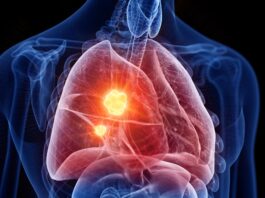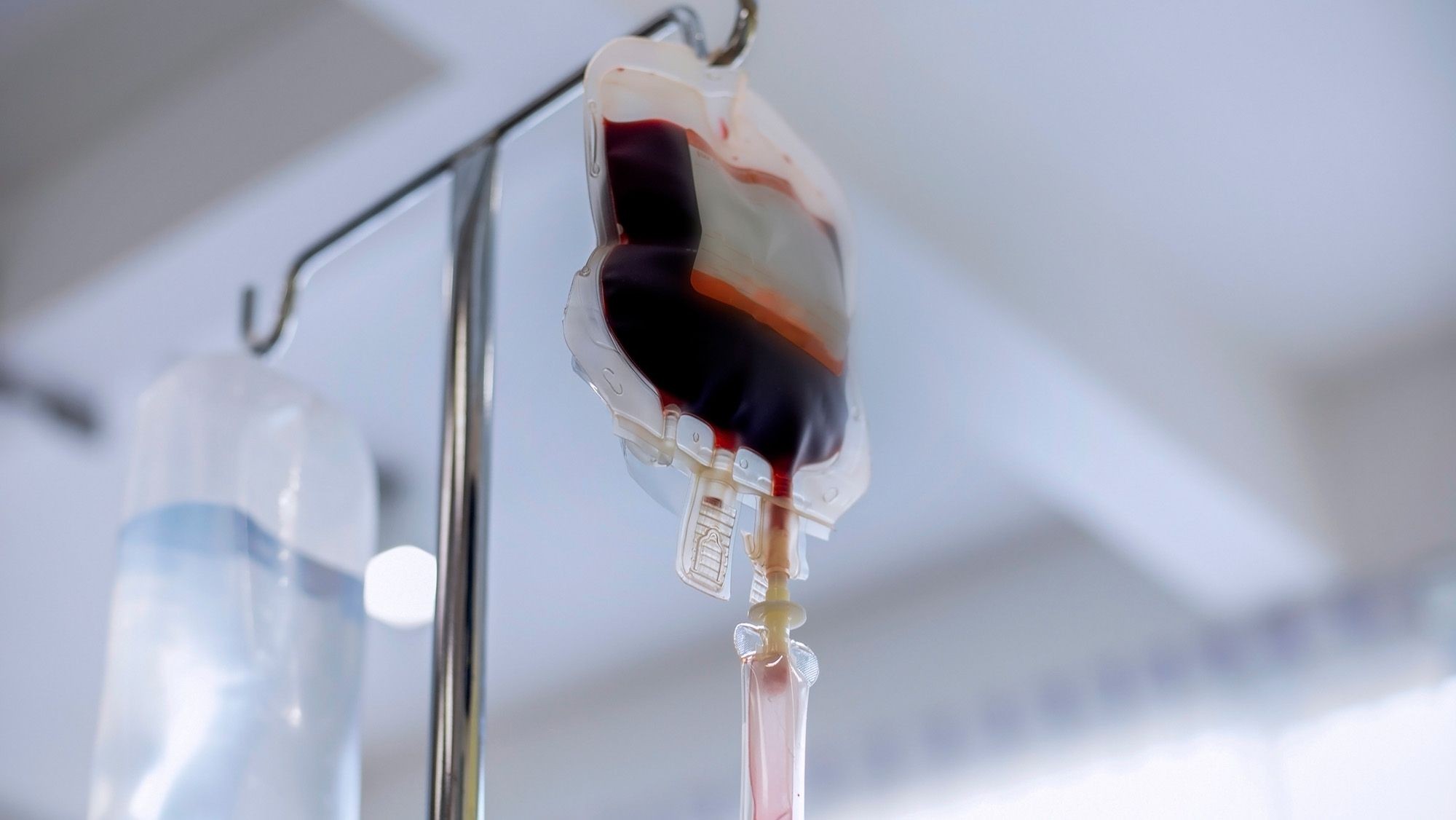
A six-year-old boy in the Netherlands faced a life-threatening allergic reaction during a routine blood transfusion. The child was undergoing treatment for lymphoblastic leukemia. That’s cancer of the blood cells, originating in the bone marrow. But the transfusion became a medical emergency. His blood pressure plummeted. A rash spread across his skin. Swelling encased his lips, tongue, and eyelids. Breathing became difficult.
Anaphylaxis. It is a severe, systemic allergic response. Doctors moved fast. They administered epinephrine, also known as adrenaline. The hormone reduces tissue swelling. It raises blood pressure. It eases restricted airways. Within thirty minutes, the boy had recovered.
The Puzzle of the Trigger
The immediate crisis was resolved, but the cause remained a mystery. Doctors collected blood samples right after the reaction. They found unusually high levels of mast-cell tryptase. This protein is released by immune cells during anaphylaxis, confirming the severity of the response. Yet, why did it happen? Blood transfusion reactions are rare, though estimates vary from 0.001% up to 0.1%. Triggers are seldom identified.
The answer lay in the history. The boy’s mother recalled a similar reaction to peanuts when he was one year old. She had eliminated peanuts from his diet ever since. But elimination doesn’t stop the immune system from remembering.
The medical team contacted the five blood donors from the most recent transfusion. Three of those donors had eaten handfuls of peanuts the night before they gave blood. This coincidence pointed to a specific mechanism: passive transfer of food allergens.
How Peanut Allergens Travel in Blood
The culprit is a protein called Ara h2. It is one of the primary allergens in peanuts. When consumed, it can trigger intense immune responses. But it doesn’t disappear quickly. One of its building blocks, known as DRP-Ara h2, is resistant to digestion. It takes more than 24 hours for the body to break it down fully. During that time, it remains capable of binding to receptors. It stays active.
The doctors tested the boy’s blood for antibodies. This standard test identifies allergic sensitivities. The results were definitive. The patient had antibodies against both Ara h2 and DRP-Ara-h2 present in his bloodstream post-infusion. These antibodies are produced in response to the allergen entering the system. The data aligned with one hypothesis: the donors’ recent peanut consumption triggered the reaction.
“These data are consistent with the hypothesis that the consumerption of peanuts by the donors before blood donation provded the trigger for this patient’s transfusion reaction,” the physicians noted in their report.
Screening Donors and Recipients
This case highlights a critical, often overlooked intersection of transfusion medicine and food allergy. Allergic reactions to transfusions are uncommon, but they are not impossible. When they occur, they are usually idiopathic. We don’t know why. This case proves that dietary history matters.
The boy did not need further treatment beyond the initial epinephrine. But the implications for the blood bank are significant. The doctors concluded that screening blood donors for recent dietary intake of known allergens could prevent future incidents. It is also vital for patients receiving transfusions to have their food allergies clearly documented.
It is possible that allergens transferred in bloodproducts to other patients have led to reactions that havedgone unexplained and unreported.
The body of evidence suggests this passive transfer may be more common than we think. Prior to this report, researchers had floated the idea. This concrete case, with its traceable allergens and antibody confirmation, strengthens that argument.
We treat transfusions as sterile exchanges. But blood is biological. It carries proteins, antibodies, and fragments of everything a donor has consumed. If a recipient has a severe allergy, even trace amounts of an allergen like DRP-Ara h2 can spark anaphylaxis.
The diagnosis was clear once the question was asked. But how often do we ask? If this case stands alone, it’s a medical curiosity. If it’s part of a larger pattern, it’s a public health oversight. The boy recovered. The donors moved on. But the question lingers: are there other silent reactions happening right now?