Electrodes are out. Magnets are in. Or at least, they might be soon.
A new study shows that magnetic nanoplatelets can improve movement in mice with Parkinson’s-like symptoms without the need for permanently implanted electrodes. It’s a shift from the heavy metal surgery of the past to something that feels, well, lighter.
How Magnetic Stimulation Works Without Electricity
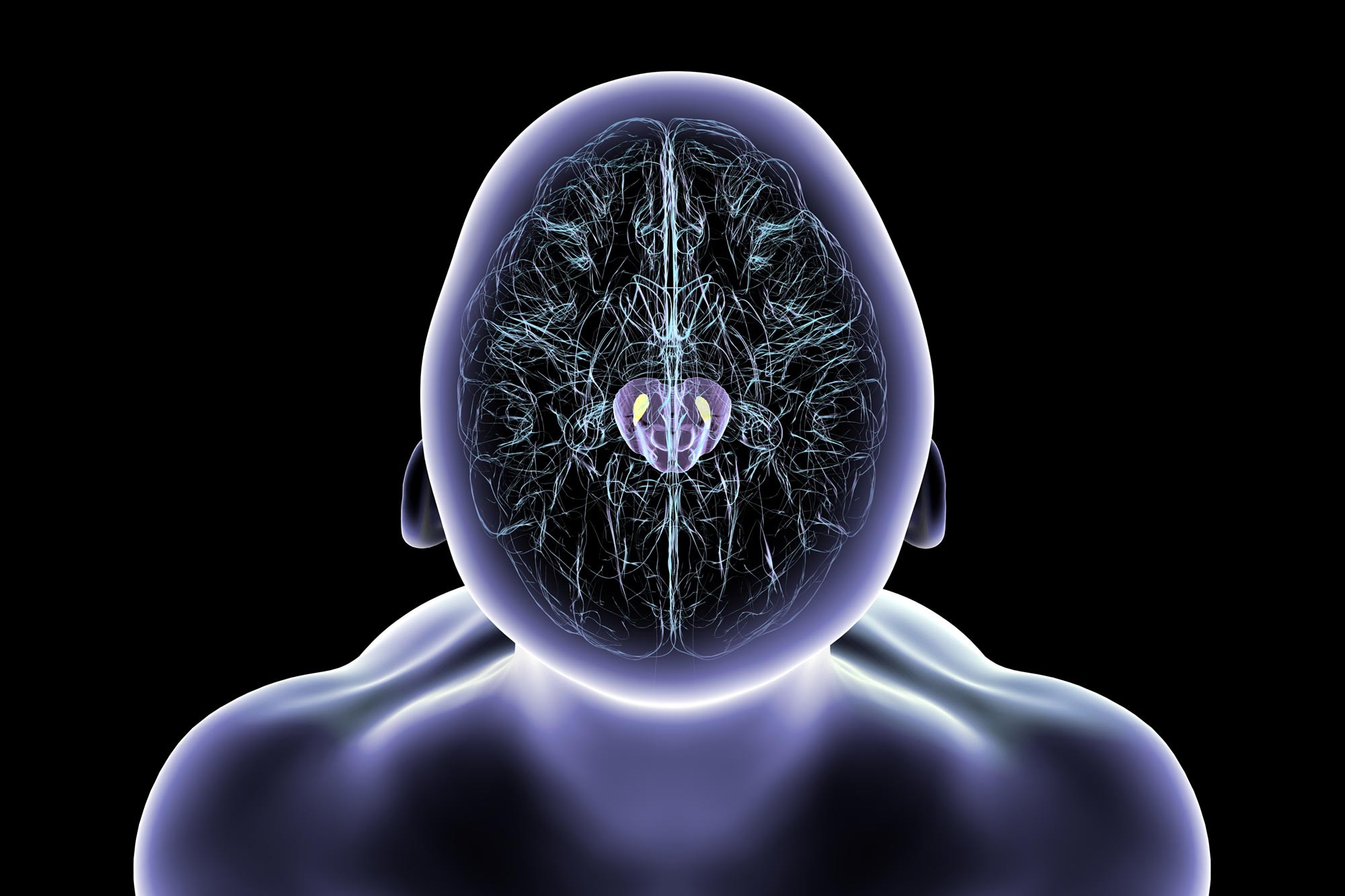
Standard deep brain stimulation (DBS) is no joke. You get a pacemaker-like device tucked under the collarbone. It sends electrical pulses to the subthalamic nucleus (the STN). This helps, sure. But it’s invasive. Complex. And not every patient qualifies.
Prof. Dr. Danijela Gregure from FAU puts it plainly. The current procedure is tricky. It fails sometimes. It scares people off.
This new method skips the electricity entirely.
“We use the neurons’ natural mechanosensors,” Gregurec explains.
Here’s the trick: researchers inject tiny magnetic nanoplatelets directly into the STN. When an external magnetic field hits the brain, these particles wiggle. They create minuscule mechanical forces. Think of pressing your finger into a balloon. The pressure deforms the cell membrane. This opens ion channels. Electricity flows—not from a wire, but from physics.
It’s remote magnetomechanical neuromodulation. A mouthful of a name, but the mechanism is elegant. No wires. No battery inside the skull. Just magnetic fields doing the heavy lifting.
Why This Matters for Parkinson’s Treatment
Parkinson’s disease eats dopamine-producing brain cells. Movement becomes hard. Tremors set in. Current treatments help, but they aren’t perfect.
This magnetic approach targets the same region as DBS—the STN—but changes how we reach it.
In tests, mice with damaged dopamine circuits showed significant improvement after exposure to the magnetic field. The movement boost? Roughly equal to what you’d see with a traditional brain pacemaker.
That’s the key takeaway. The efficacy matches the gold standard, but the invasiveness drops.
Safety and Future Applications
Did the mice react badly to the particles?
Not really. The nanoparticles stayed in the brain for months. No inflammation. Good tolerance.
But there’s still the needle. Injecting particles directly into the brain is, obviously, still surgery. The team is now hunting for a better way. Can they send these particles through the bloodstream? Can they cross the blood-brain barrier?
If yes, you might just swallow a pill. Or get an infusion. Then you put on a headband.
The researchers are designing compact, wearable devices to generate the necessary fields. Imagine a headset you slip on like headphones. Adjust the magnetism. Control the therapy. No surgeon needed.
It’s years away. Probably more. But the path is clearer.
Is it just about Parkinson’s? Probably not. These particles could become research tools, helping us map how mechanical forces tweak brain activity. The potential is broad.
Gregurec calls it simpler. Cheaper. More flexible.
She might be right. The electrodes haven’t lost their throne yet. But the challenger is looking pretty strong.
Who knows where the magnetic field leads next.