It’s happening 550 meters down.
Deep beneath the ice of East Antarctica’s Langhovde Glacier, something remarkable is happening to the mechanics of the continent. Water isn’t just sitting on top anymore. It’s burrowing. Drilling into the ice, forcing its way through cracks, and arriving at the bedrock with enough force to lift tons of glacier off the ground.
This is how surface meltwater makes glaciers slide faster toward the ocean. It’s a direct confirmation we’ve been waiting for, though not for the reasons you might expect.
The data comes from a study published in Nature Communications by Professor Shin Sugiyama of Hokkaidou University and his team. They didn’t use satellites. Satellites see the surface, sure. They see the white expanse and the cracks. But they can’t tell you what’s happening at the interface between ice and stone. That’s a blind spot. A dangerous one, considering that Antarctica holds 90% of the world’s glacier ice. Complete melt? Sea levels jump about 60 meters. We don’t have room for error there.
So the team did what you only do when you’re really committed to the science. They used hot-water jets to drill boreholes deep into the glacier. Into the dark. Down to the base.
The mechanics of hydrofracturing
Why does this matter? Because for a long time, the connection between surface melt and basal sliding in Antarctica was theoretical. We knew about Greenland. We knew about Alaska and European glaciers where meltwater acts as a lubricant, reducing friction and speeding up flow. Antarctica was the outlier. Or at least, it was the unknown variable.
Sugiyama and his colleagues lowered cameras and pressure sensors through those boreholes. What they found changed the picture.
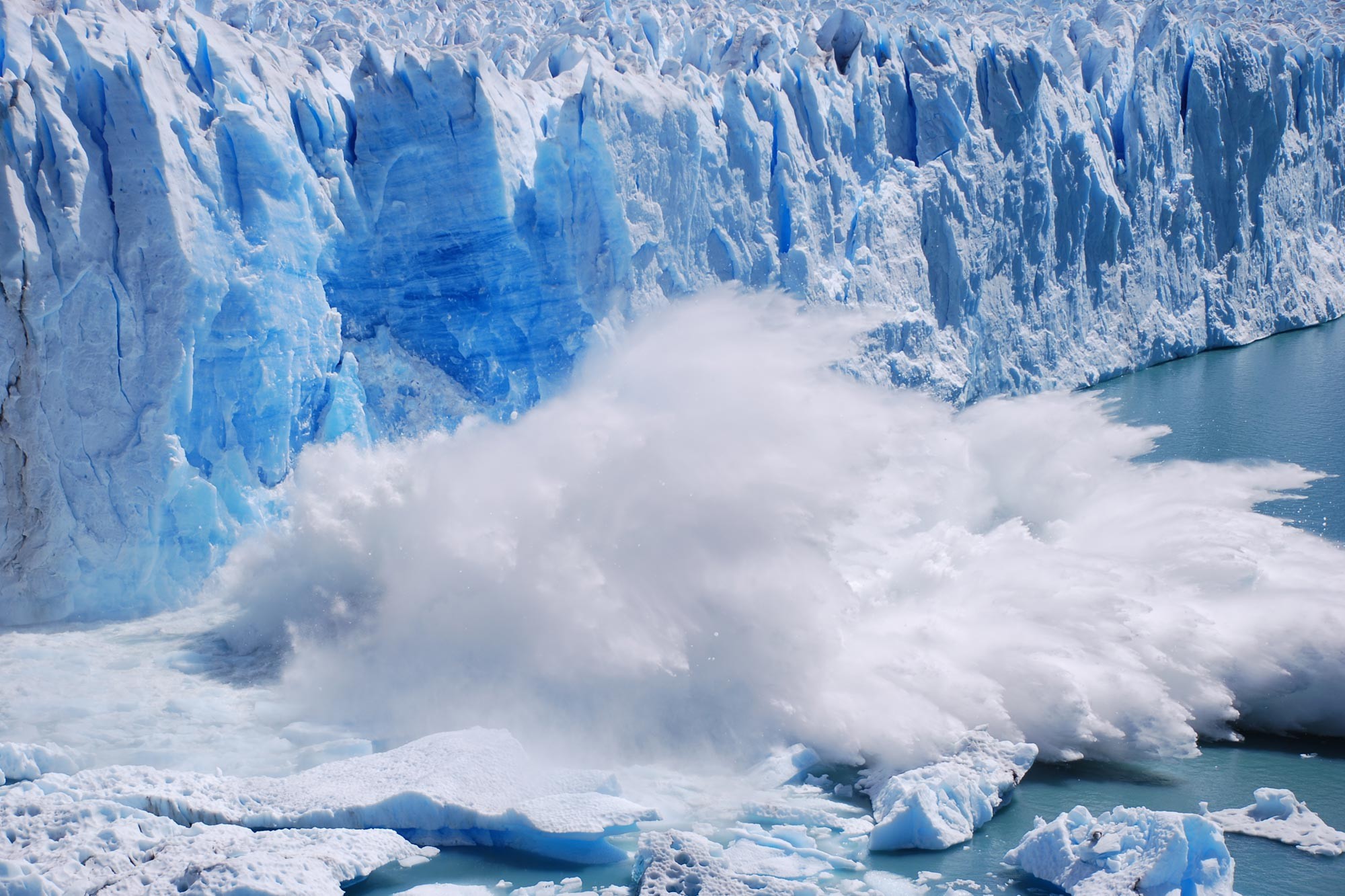
Surface lakes and ponds didn’t just evaporate or freeze. The weight of that accumulated water triggered hydrofracturing. That’s the process where water pressure forces cracks deeper into the ice, creating vertical channels. Think of it like injecting hydraulic fluid into a machine. The water travels through these newly formed fractures, all the way to the bottom.
Once it hit the bed, things got intense.
The pressure spiked. At points of intense surface melting—and yes, even after a rare rainfall event in January 2 which is wild enough for Antarctica—the water pressure became high enough to support 97% of the ice’s weight above it.
Lift. Friction drops. Slide speeds up.
Specifically, the glacier’s movement accelerated by 10–20%. Small numbers on a spreadsheet. Massive numbers for a coastline three meters lower than it was last decade.
Hidden life in the crush
But here is the part that feels almost too much like a sci-fi movie to be true.
While measuring pressure, the borehole cameras didn’t just see gray ice and rock. They saw life.
Buried beneath 474 meters of glacial ice, in a thin layer of seawater just three meters thick, the cameras recorded a sea anemone. And several slender-stalked sponges. Attached to a boulder. Three hundred meters beyond where the glacier actually detaches from the seabed.
How are they even alive down there?
It’s a hidden ecosystem. Cold. Dark. Confined. Colorful. Sugiyama noted the surprise. Spotting creatures going about their business in such a hostile, pressurized environment is unsettling, but it underscores the complexity of what’s happening beneath the ice sheet. It’s not just a slab of frozen water moving toward the sea. It’s a dynamic environment with biology, geology, and fluid dynamics interacting in real-time.
The urgent implication
Does this mean Antarctica is sliding away faster now than before? Yes.
The mechanism is clear: more heat on top means more melt. More melt means more water reaching the base via hydrofracture. More water means more lift, less friction, and faster sliding.
“Our study suggests that ice loss will increase as the meltwater rises in a warming climate.” — Professor Shin Sugiyama
This isn’t just an academic exercise about glaciology. It’s a projection. The ice sheet is currently losing mass. Discharge into the ocean is outpacing snow accumulation inland. If surface melt intensifies with rising global temperatures, that acceleration effect will compound. More water. More lift. More speed.
The implication lands squarely on societies living in low-elevation coastal areas. It’s not about if the level changes. It’s about how fast.
The study was conducted as part of JARE63 and funded by JSPS KAKenHi grants, but the message transcends the funding bodies. The ice is lubricated. The slide is accelerated. And the water is coming from the surface, drilling its way down, rewriting the timeline for coastal cities.
The reference data, authored by Sugiyama, Kondo, Minowa, and Watanabe, is out there for verification. But the physics is straightforward. Water under ice reduces friction. Gravity does the rest.
We’re watching it happen. Directly. Below the ice.