





Earth-orbiting satellites could collide within days if operators lose control, a newly developed metric called the “CRASH Clock” reveals. This is not a hypothetical threat; the window for avoiding disaster has shrunk dramatically, with the clock now reading approximately 2.8 days – down from 128 days just seven years ago. This means that if all satellites were to become inoperable simultaneously due to a technical failure, cyberattack, or severe solar storm, the first collision could occur within 48 hours with a 30% probability.
The Rising Risk in Low Earth Orbit (LEO)
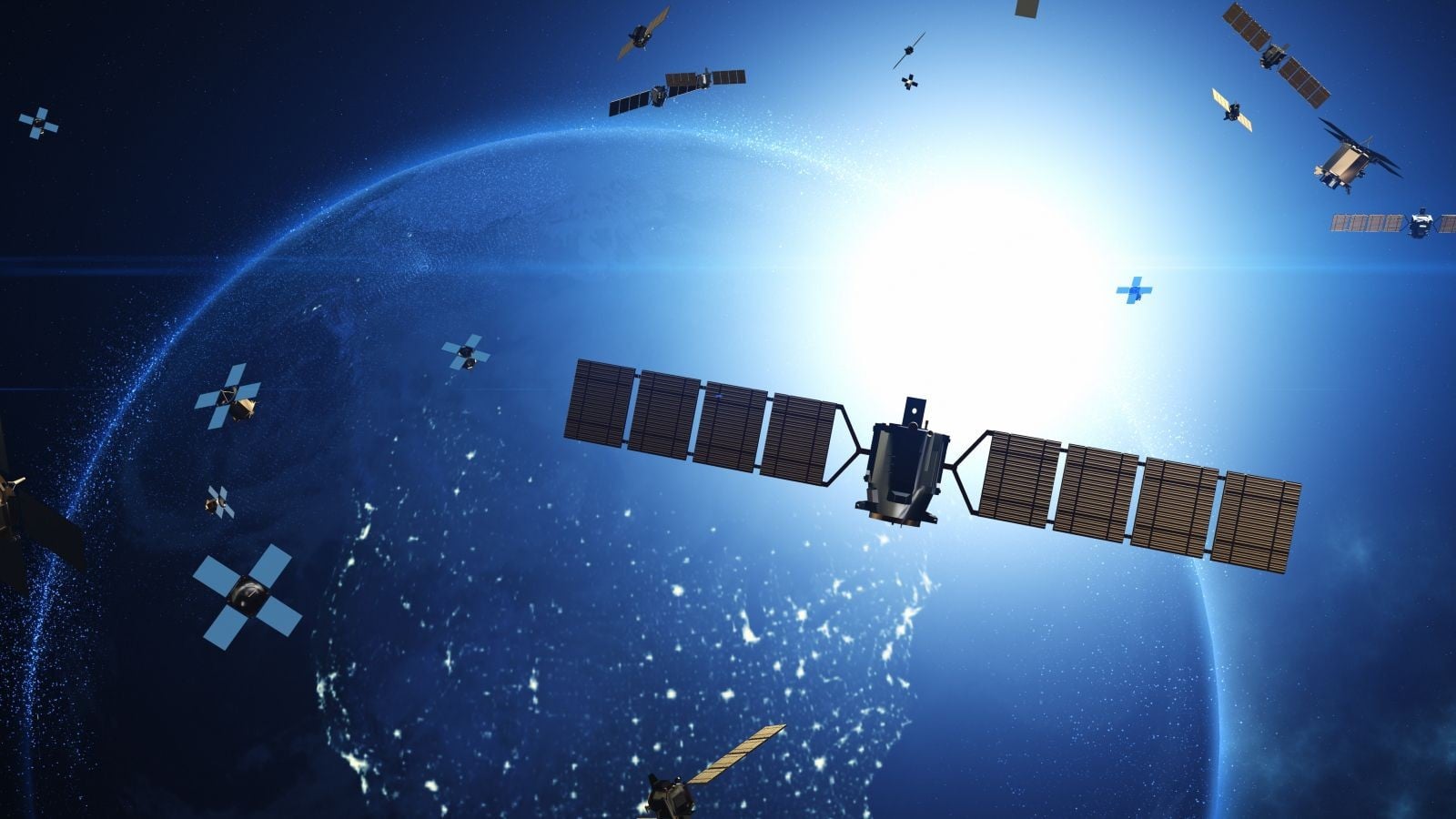
The surge in satellite launches, driven by megaconstellations like SpaceX’s Starlink, is the primary driver behind this escalating danger. Since 2018, the number of active satellites in LEO has exploded by 485%, reaching over 11,700 as of May 2025. The more satellites crammed into orbit, the higher the chance of collisions, even with current collision-avoidance systems.
While operators generally maintain control, external events can quickly overwhelm safety measures. A major solar storm, for example, could scramble satellite systems, rendering them unable to maneuver and increasing the likelihood of catastrophic impacts.
What is the CRASH Clock?
The CRASH Clock, developed by researchers at The University of British Columbia and Princeton University, models the risk of collision under worst-case conditions. It’s a statistical measure designed to highlight how little margin for error remains in LEO. The clock’s decreasing value is a direct indicator of the increasing stress on the orbital environment.
Researchers acknowledge that the exact values may be slightly overestimated, but the rate of change is the critical takeaway. The rapid decline in the CRASH Clock’s timeframe demonstrates that the risk is growing exponentially.
The Kessler Syndrome: A Looming Cascade
If satellites remain offline longer than the CRASH Clock value, multiple collisions could occur, pushing us closer to the Kessler Syndrome. This theoretical scenario posits that cascading collisions generate so much space debris that LEO becomes unusable for future missions. While the exact tipping point remains unknown, the current trend suggests we may be entering the early stages of an irreversible cascade.
The number of orbital launches continues to climb, with 2025 seeing a record 324 launches – a 25% increase over the previous year. Unless this industrialization of Earth orbits slows, the CRASH Clock will likely continue to decrease, further diminishing the safety margin for all space-based assets.
The decreasing timeframes and rising collision risks in low Earth orbit demand immediate attention and proactive measures to prevent a catastrophic cascade of orbital debris.