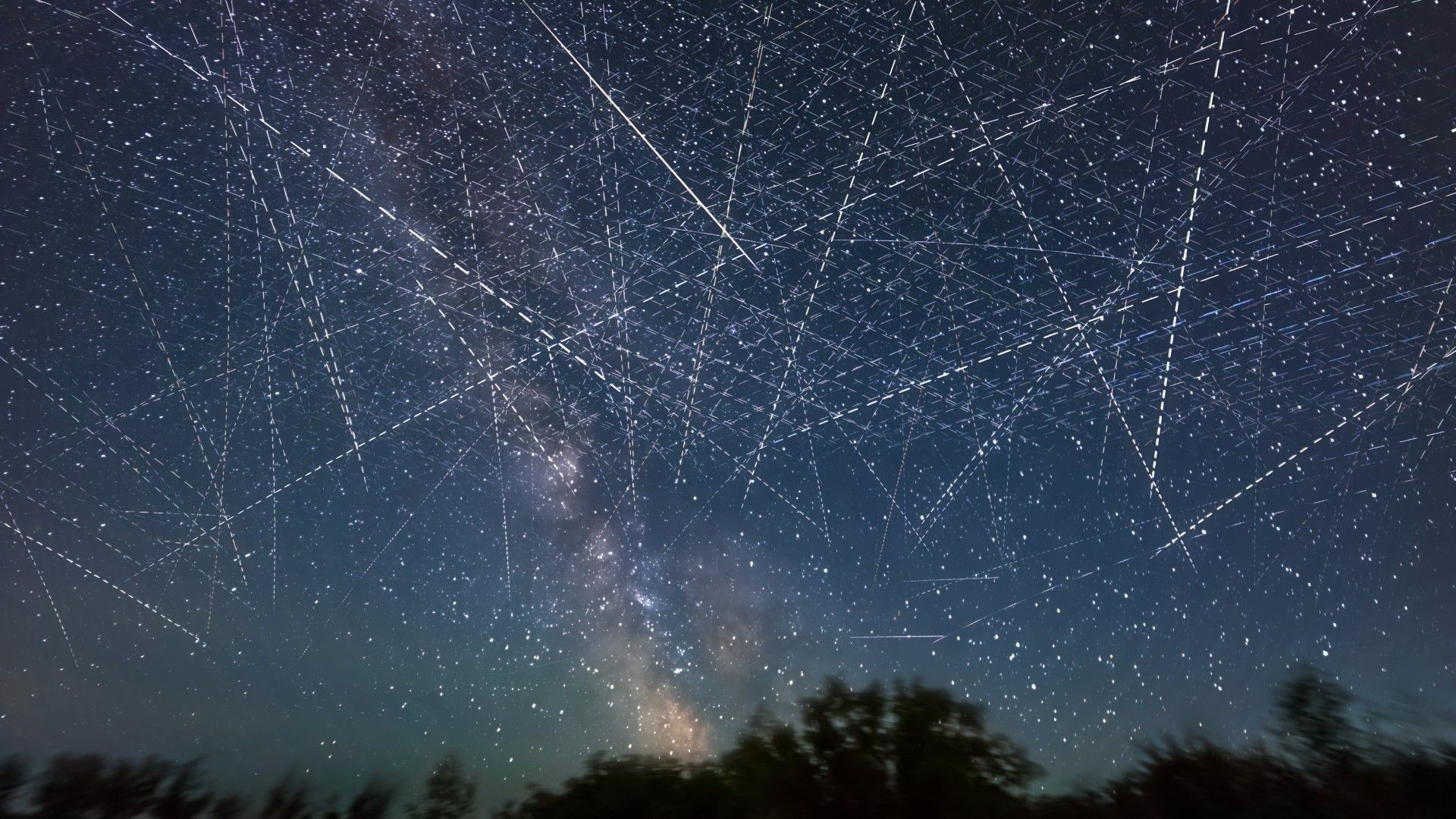
Rychlý pokrok v umělé inteligenci (AI) nyní představuje bezprostřední hrozbu pro satelitní systémy, což může v příštích dvou letech vést ke katastrofické kaskádě kolizí na oběžné dráze. Odborníci na kybernetickou bezpečnost varují, že útoky umělé inteligence by mohly převzít kontrolu nad vesmírnými loděmi, proměnit je v nekontrolovatelné zbraně a ohrozit bezpečnost celého vesmíru.
Vývoj oblasti hrozeb
Po desetiletí vesmírný sektor do značné míry ignoroval rizika kybernetické bezpečnosti, takže tisíce starších zranitelných satelitů zůstaly bez ochrany. Nyní nástup „agent AI“ – autonomních systémů běžících na velkých jazykových modelech (LLM), jako jsou ChatGPT a Gemini – dramaticky snižuje bariéru vstupu pro útočníky. LLM umožňují i těm bez specializovaných znalostí rychle porozumět provozu vesmírných lodí a identifikovat zranitelnosti.
Zrychlení poskytované umělou inteligencí je zásadní. Vládní hackeři, jako je ruská skupina Fancy Bear, již začali používat LLM ke shromažďování informací o vesmírných systémech. To dramaticky zkracuje čas potřebný k využití stávajících slabin. Jak zdůrazňuje Andrzej Olchawa, inženýr kybernetické bezpečnosti ve vesmírném průmyslu: „LLM dramaticky snížily práh pro pochopení fungování kosmických lodí… protivníci bez předchozích znalostí mohou nyní způsobit skutečné škody.“
Jak se může vyvinout útok
Největším bezprostředním nebezpečím je možnost útoků pomocí AI k únosu satelitů a vyvolání kolizí. Kristjan Keskküla, vedoucí Space Cyber Range v CR14 Cyber Center v Estonsku, vysvětluje, že dopad pouhého jednoho satelitu by mohl způsobit zmatek, zejména s ohledem na současnou hustotu více než 8 000 satelitů na nízké oběžné dráze Země.
Úmyslný dopad by mohl vytvořit tisíce úlomků, což by učinilo blízkozemský prostor na léta nebezpečný. Mezi metody útoku patří rušení, falšování komunikačních kanálů nebo úplné převzetí kontroly nad kosmickou lodí.
Naléhavá potřeba přípravy
Vesmírný průmysl si tyto hrozby uvědomuje se zpožděním, ale mnoho systémů zůstává nechráněno. Výzkumníci v oblasti kybernetické bezpečnosti spěchají s identifikací zranitelností dříve, než je útočníci zneužijí, ale nástroje AI také dávají protivníkům možnost najít tyto díry rychleji.
CR14, přední výzkumné centrum kybernetické bezpečnosti, provádí cvičení simulující tyto útoky ve virtuálních prostředích. Jejich výsledky ukazují, že složitost a objem kybernetických útoků rychle roste. Ukrajina například denně čelí „tisícům kybernetických útoků“ na kritickou infrastrukturu, včetně satelitní komunikace.
Problémem není jen přítomnost hrozeb, ale také jejich rostoucí inteligence. Phishingové útoky v Evropě za posledních několik let vzrostly o 500 %, přičemž díky AI jsou cílenější a přesvědčivější. To znamená, že útočníci mohou shromažďovat více osobních údajů a vydávat se za důvěryhodné kontakty, aby ukradli citlivá data.
Rychlý vývoj AI vytvořil nebezpečné okno zranitelnosti. Vesmírný sektor se musí rychle přizpůsobit, aby se mohl bránit této vyvíjející se hrozbě nebo riskovat katastrofickou orbitální apokalypsu.