


Scientists are taking extreme measures to calibrate a new generation of satellites designed to measure snow depth from space – a critical step towards understanding global water resources. Instead of relying solely on remote sensing, researchers are physically verifying satellite data by conducting on-site measurements in challenging alpine environments.
The Challenge of Remote Snow Assessment
Measuring snowpack accurately is vital because it acts as a natural reservoir, feeding rivers and supplying water to communities during warmer months. Current methods for estimating snow water equivalent (SWE) – the amount of water contained within the snowpack – rely on ground-based observations, which are costly and time-consuming. The new satellite technology promises global coverage, but requires precise calibration.
Boots on the Ground: A Necessary Step
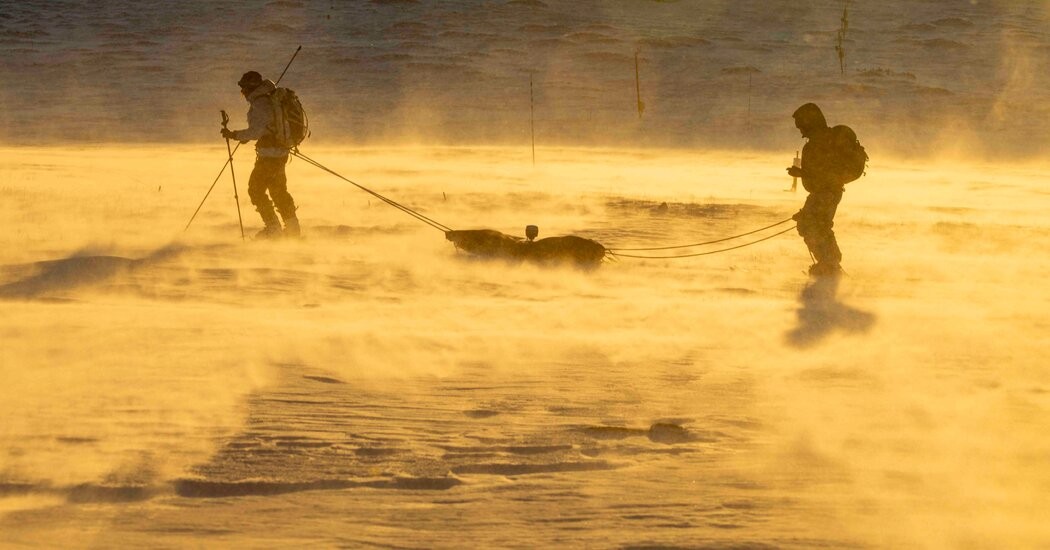
To achieve this calibration, scientists are venturing into remote mountainous regions, often at high altitudes and under harsh conditions. In Colorado, a team recently embarked on a pre-dawn ski expedition to meet a satellite pass overhead. Their mission: to collect ground-truth data that matches the satellite’s measurements.
This involves dragging portable radar equipment across snowfields to determine depth and density at the same moment the satellite scans the area. The timing is critical, as snow conditions change rapidly, and satellites revisit the same location only every two weeks.
Why This Matters: Global Water Security
The success of this calibration process has implications beyond scientific accuracy. Reliable satellite snow measurements can improve water management, especially in regions heavily dependent on snowmelt for irrigation, hydropower, and drinking water.
“Accurate SWE data from space will revolutionize how we monitor and predict water availability in a changing climate.”
The combination of cutting-edge technology and hands-on fieldwork is ensuring that the next generation of satellites delivers actionable data for a water-stressed world.