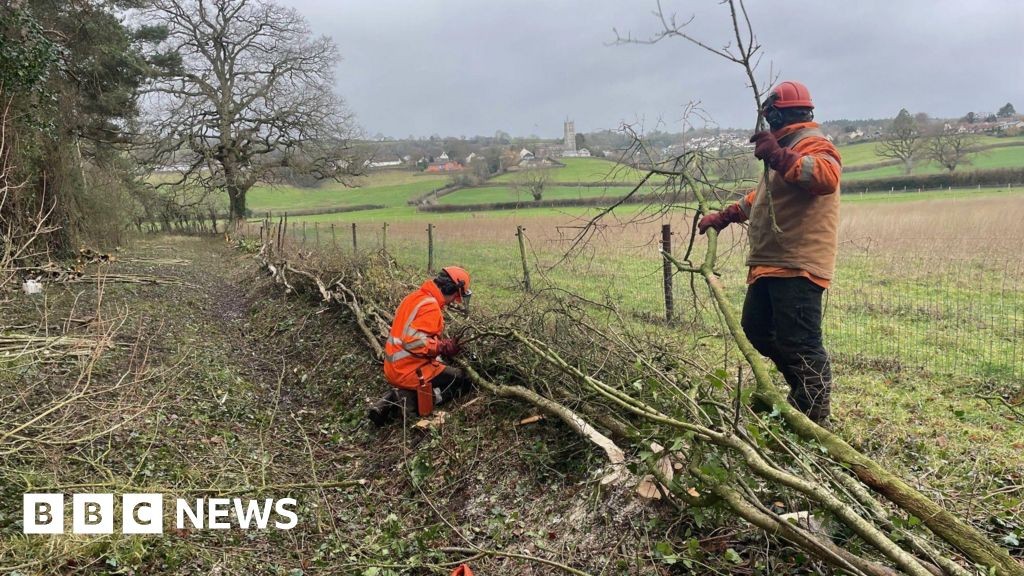
Bristol Water spouští dvouletý projekt na obnovu přirozeného prostředí kolem jezera Bladon, nádrže o rozloze 440 akrů v Mendip Hills, Somerset. Jádrem této iniciativy je oživení tradičních technik tkaní živých plotů, staletí staré praxe určené k vytvoření hustého ochranného krytu pro ohrožené druhy.
Ztráta divoké zvěře na zemědělské půdě
Projekt je reakcí na kritický pokles populací farmářských ptáků a savců, jako jsou ježci. Tyto druhy ztrácejí stanoviště alarmujícím tempem kvůli moderním zemědělským postupům a hospodaření s půdou. Vytváření vzájemně propojených živých plotů poskytuje životně důležitá místa pro hnízdění a krmení, což tento trend účinně zpomaluje.
Jak funguje tkaní živých plotů
Pletení živých plotů není jen výsadba nových keřů. Jedná se o specializované řemeslo, ve kterém jsou stávající živé ploty částečně zastřiženy a propleteny, aby se podpořil hustý růst od země k zemi. To vytváří přirozenou bariéru, která chrání zvěř během tuhých zim a poskytuje důležitá místa pro rozmnožování. Tato metoda také umožňuje, aby se k základně živého plotu dostalo více slunečního světla, což podporuje hustší růst.
Podrobnosti a časová osa projektu
Specialista Mike Reed a jeho tým zatím upletli 1800 metrů plotu. Práce jsou v době hnízdění pozastaveny, aby nedošlo k rušení. Simon Hughes, vedoucí správy dřevnaté vegetace Bristol Water, očekává „totální proměnu“ živých plotů do dvou let se znatelným nárůstem původních populací divoké zvěře.
“Tkaní živých plotů je historické řemeslo se silnými místními tradicemi a jsem hrdý, že ho prostřednictvím této práce mohu předat další generaci.” – Mike Reed, Hedge Weaver
Proč je to důležité
Obnova živých plotů není jen o estetice; je to ekologická souvislost. Izolované populace divoké zvěře jsou náchylnější k vyhynutí. Vytvořením vzájemně propojených biotopů se projekt Bladon Lake snaží posílit místní ekosystémy. Tento přístup také odráží rostoucí trend integrovat tradiční hospodaření s půdou s moderním úsilím o ochranu.
Úspěch tohoto projektu by mohl sloužit jako model pro další vodní nádrže a venkovské oblasti a demonstrovat, jak může cílená obnova zvrátit ztrátu biologické rozmanitosti a zachovat křehkou rovnováhu přírodních stanovišť.