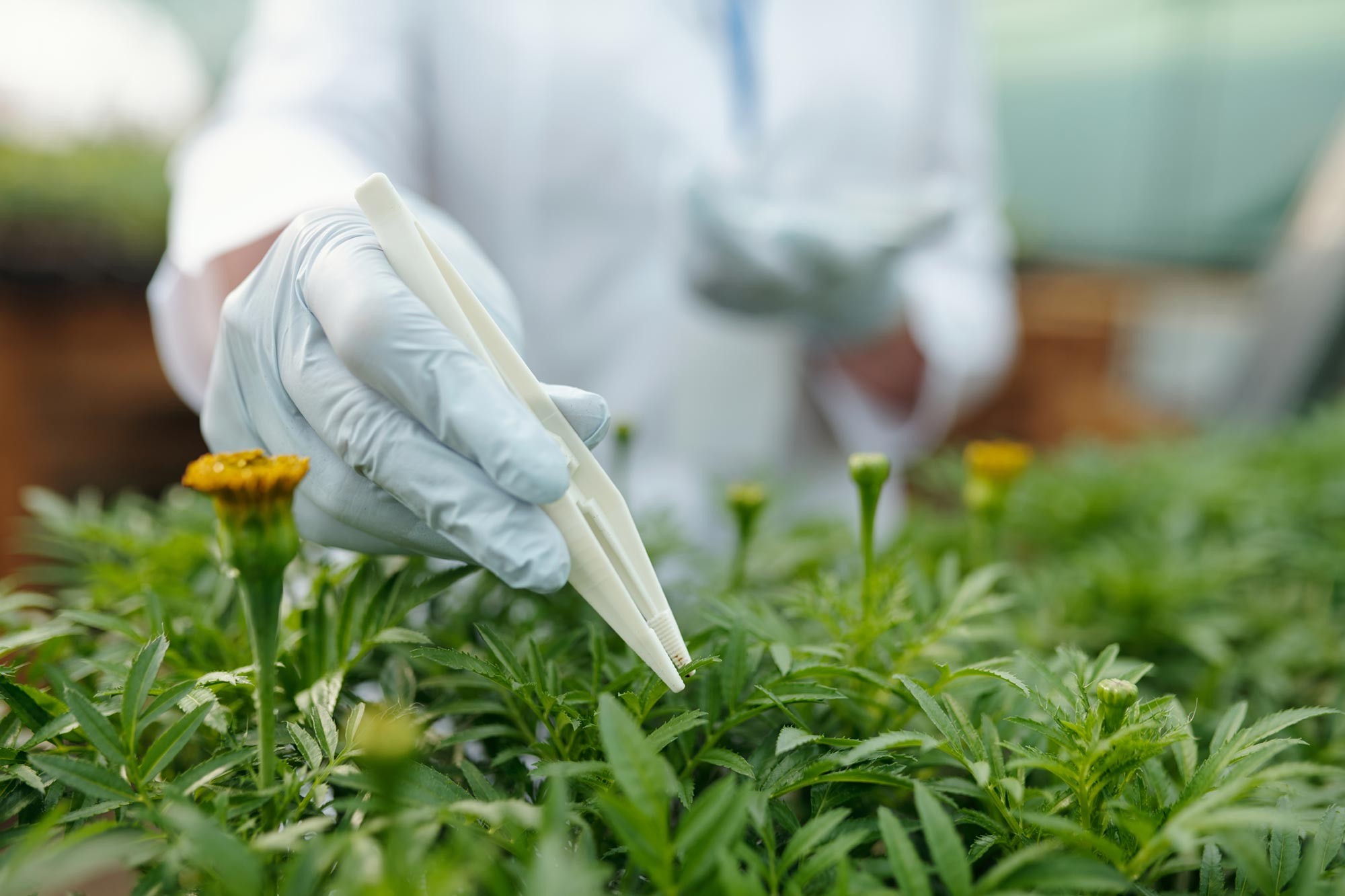
As the global demand for plant-based diets continues to climb, the food industry is facing a significant challenge: finding sustainable, functional, and high-quality protein sources that go beyond traditional crops like soy or peas. A new study suggests that the answer might be hiding in plain sight—within the petals of the common pot marigold (Calendula officinalis ).
Turning Agricultural Waste into Nutrition
Currently, the cultivation of marigolds is largely driven by the ornamental flower market. However, this industry creates a massive amount of inefficiency; an estimated 40% of marigold production is discarded as waste once its aesthetic value declines.
Researchers, led by Anand Mohan, have identified an opportunity to “valorize” this byproduct. By repurposing what is essentially agricultural waste, the food industry can create a more circular and sustainable supply chain, reducing waste while meeting the nutritional needs of a growing population.
The Science of Marigold Protein
In a study published in ACS Food Science & Technology, scientists processed dried marigold flowers into a fine powder and utilized a multi-stage liquid extraction process to isolate different protein groups. Their findings highlight three critical advantages that set marigold protein apart from current market leaders:
- Superior Heat Stability: One of the biggest hurdles for plant-based proteins is their tendency to degrade during cooking. Marigold proteins remained stable at temperatures up to 221°F (105°C). This outperforms common alternatives like pea and chickpea proteins, which often lose their functional properties when exposed to high heat.
- Enhanced Flavor Profiles: The extracts were found to be rich in glutamic acid and aspartic acid. These specific amino acids are responsible for the umami taste—the savory “fifth taste”—which could allow food manufacturers to enhance the natural flavor of plant-based products without relying heavily on artificial additives.
- Natural Emulsification: Two of the protein extracts demonstrated a strong ability to act as emulsifiers. In food science, an emulsifier is a vital tool that allows oil and water to mix and stay blended. This makes marigold protein a highly functional candidate for products such as:
- Mayonnaise and salad dressings
- Dairy-free creamers
- Texture-rich baked goods
What This Means for the Future of Food
This research moves the conversation beyond simple nutrition toward functional versatility. It isn’t just about adding protein to a diet; it is about finding ingredients that improve the texture, stability, and taste of the food we already eat.
The research team is now moving into the next phase of development, which includes testing the protein in actual food products—such as dressings and baked goods—and conducting consumer taste tests to see if the “waste” from a flower can truly satisfy the modern palate.
Conclusion
By transforming discarded ornamental flowers into a high-performance food ingredient, scientists are demonstrating how “upcycling” can bridge the gap between environmental sustainability and the rising demand for functional, plant-based nutrition.