



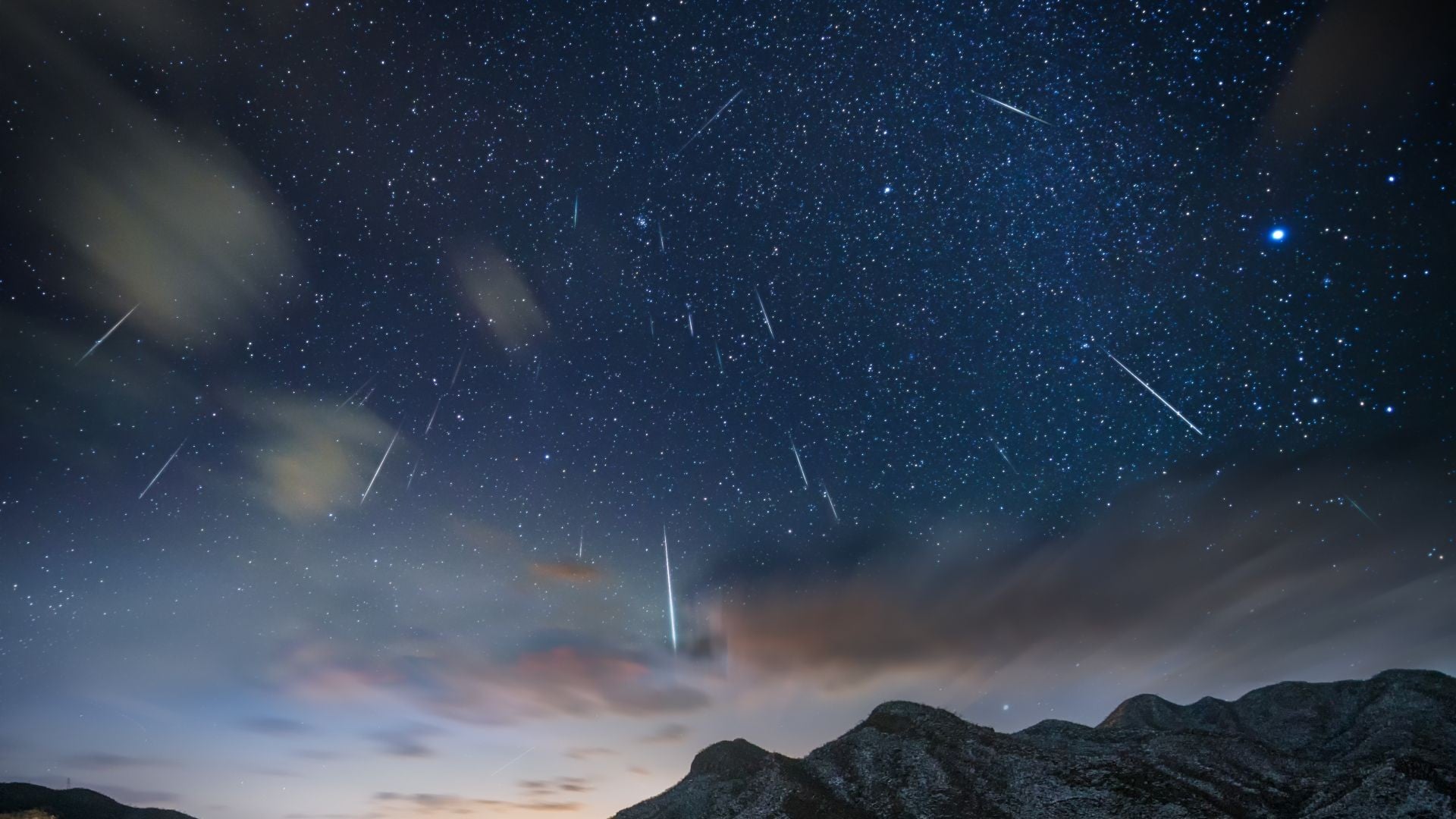
Метеоритний потік Гемініди часто перевершує всі інші в грудні, але менш відома подія, Урсиди, досягне піку наступного тижня, даючи терплячим спостерігачам можливість побачити тонке, але потенційно корисне небесне зображення. На відміну від надійно яскравих Гемінід, Урсиди залишаються в основному непоміченими, незважаючи на їх передбачувану щорічну появу.
Сяйво і видимість
Здається, Урсиди походять з околиць Кохаба, яскравої зірки в сузір’ї Малої Ведмедиці. Така близькість до Полярної зірки означає, що радіант залишається видимим протягом ночі для спостерігачів у Північній півкулі. Найкращий час для перегляду зазвичай пізні години перед світанком, коли радіант знаходиться в найвищій точці неба.
Метеори з цього потоку рухаються із середньою швидкістю, входячи в атмосферу Землі зі швидкістю близько 35 кілометрів на секунду. Хоча вони не особливо вражаючі, чисте темне небо, яке стане доступним завдяки новому місяцю 19 грудня, значно покращить видимість. Очікуйте помірну швидкість 5-10 метеорів на годину під час піку активності в ніч з 21 на 22 грудня.
Історичні стрибки та непередбачуваність
Урсиди мають історію непередбачуваної поведінки. Дощ показав значні сплески в 1945 і 1986 роках, що вказує на періоди підвищеної активності. Ці події пов’язані з материнською кометою 8P/Tuttle, яка має орбіту 13,6 року. Цікаво, що деякі піки Урсид відбулися навіть тоді, коли Таттл був у найдальшій точці від Сонця, всупереч загальноприйнятим прогнозам.
Можливі покращення у 2023 році
Хоча незвичайно сильна активність чітко не передбачена, деякі експерти припускають можливість підвищення інтенсивності. Метеорний калькулятор Пітер Дженніскенс прогнозує щільне накопичення метеорного матеріалу приблизно о 12:39 ранку за східним часом 22 грудня, оцінюючи потенційний пік 25 метеорів на годину. Інший експерт, Джеремі Вобайон, припускає, що найгустіша частина дощу пройде Землю приблизно о 5:00 за східним часом цього дня, хоча без вираженого піку.
Незважаючи на ці прогнози, Урсиди залишаються непередбачуваним потоком. У попередні роки спостерігачі не повідомляли про покращення, які б відповідали прогнозам Дженніскенса.
Варто подивитися?
Якщо 22 грудня ви прокинулися перед світанком і небо було ясним, погляд на північне небо може стати приємним сюрпризом. Урсиди можуть не зрівнятися з Гемінідами за інтенсивністю, але вони пропонують спокійну, доступну можливість оцінити красу космосу.
Відносна невідомість Урсидів підкреслює, скільки ще належить дізнатися про метеорні дощі; їхня поведінка часто пов’язана з непередбачуваними осколками комети, що ускладнює точні прогнози. Ця невизначеність робить спостерігати за ними ще більш захоплюючим.