




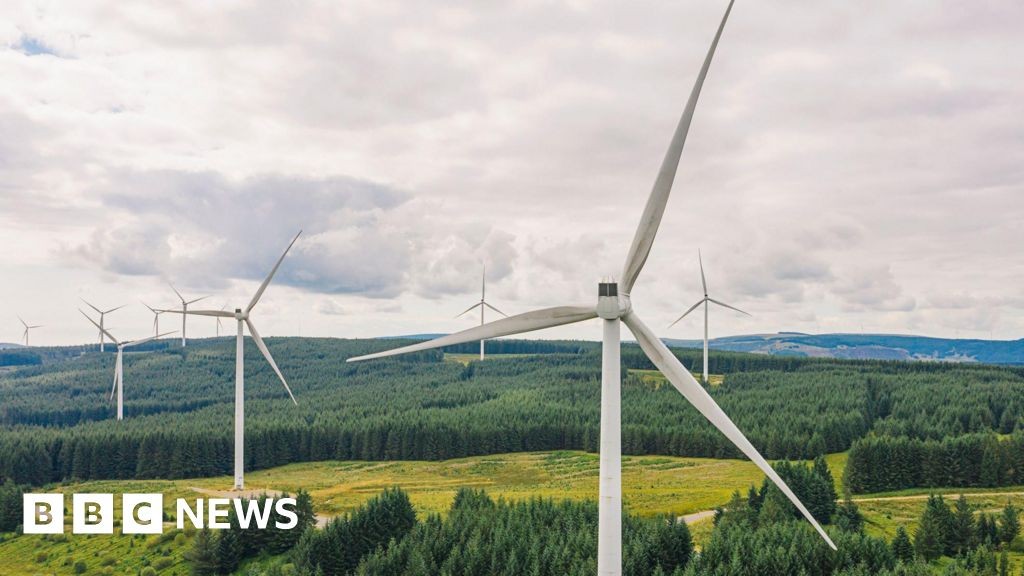
The Welsh government has unveiled a new sector deal aimed at speeding up the development of wind, solar, and tidal energy projects, driven by a need to improve energy independence and capitalize on the country’s natural resources. The move comes as industry leaders warn Wales lags behind other parts of the UK in renewable energy deployment, while global conflicts add urgency to the transition away from fossil fuels.
Bridging the Gap in Renewable Energy Development
The new deal includes 78 commitments focused on streamlining planning processes, workforce training, and ensuring communities benefit from new projects. Wales generated 54% of its electricity from renewables in 2024, with a goal of reaching 100% by 2035; this partnership seeks to accelerate that trajectory.
Why this matters: Wales possesses significant potential in renewable energy, particularly in marine and offshore resources. However, bureaucratic hurdles and underinvestment have historically hampered progress. The current geopolitical climate, with oil and gas prices fluctuating due to conflicts in the Middle East, further underscores the importance of energy security through domestic renewables.
Key Players and Commitments
The agreement involves collaboration between the Welsh government, renewable energy companies, and community organizations. A prominent example is Morlais, an innovative tidal energy project on Anglesey, currently the largest of its kind in Europe.
Rebecca Evans, Cabinet Secretary for Economy, Energy and Planning, emphasized that Wales could become “a world leader in renewable energy.” Industry groups, like Renewable UK Cymru, estimate the deal could unlock £10 billion in investment, create 8,000 jobs, and provide £183 million in community benefits.
Concerns Over Onshore Development
Not all stakeholders are fully aligned. The Campaign for the Protection of Rural Wales argues against further onshore wind and solar expansion, advocating for larger offshore schemes to meet targets without impacting communities. This opposition highlights a common tension between renewable energy goals and local resistance to large-scale infrastructure projects.
Political Responses
The sector deal has drawn mixed reactions from Welsh political parties.
- Welsh Liberal Democrats question the lack of concrete workforce development plans.
- The Green Party claims the plan adopts proposals from their manifesto, signaling growing public support for renewable energy.
- Plaid Cymru proposes further consolidation of energy development under a state-backed company.
- Reform UK Wales calls for a halt to onshore projects, arguing the country is “saturated” with unreliable renewables.
The upcoming Senedd election campaign will likely feature energy policy as a key battleground, with parties offering contrasting approaches to balancing environmental goals, economic development, and community concerns.
In conclusion: Wales’ aggressive push for renewable energy is driven by both economic opportunity and geopolitical necessity. The new sector deal aims to unlock investment and jobs, but faces challenges from local opposition and political divides. Whether the plan succeeds will depend on effective implementation, community engagement, and a sustained commitment to long-term energy independence.