



The remote Udzungwa Mountains in Tanzania harbor an extraordinary wealth of life, including several species found nowhere else on Earth. Recent exploration and photographic documentation reveal a region brimming with unique primates, towering trees, and innovative conservation efforts.
A Refuge for Rare Primates
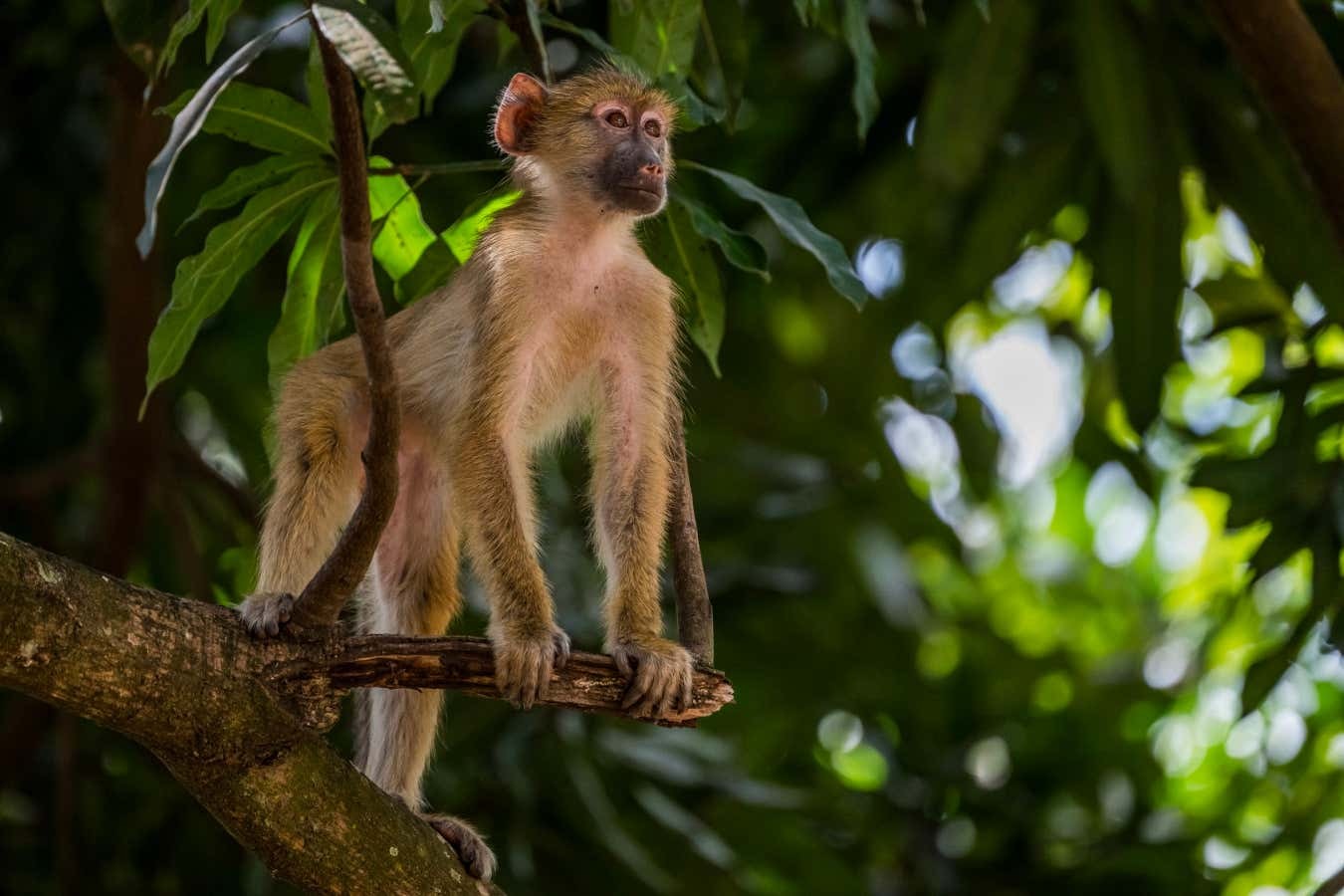
Udzungwa Mountains National Park is home to six primate species, two of which – the Udzungwa red colobus and the Sanje crested mangabey – are critically endangered and rely on this park as their last remaining habitat. Even more remarkably, the kipunji monkey wasn’t identified as a new species until 2003, marking the first primate discovery in Africa in decades.
“But mammals, wow!” – Frédéric Noy, Photographer
The kipunji’s uniqueness didn’t stop there; it was later assigned its own genus, Rungwecebus, a distinction not seen since 1923. Today, fewer than 2,000 kipunji remain, their survival directly linked to the preservation of this fragile ecosystem.
Beyond Primates: New Discoveries Continue
The Udzungwa Mountains don’t just hold secrets in their primate populations. The towering Tessmannia princeps tree, reaching up to 40 meters, was only formally described as a new species last year. This illustrates how much remains unknown within this relatively unexplored region.
Conservation Through Collaboration
Efforts to protect this biodiversity hotspot include the Udzungwa Corridor project, which aims to connect the national park with neighboring reserves. The project uses a sustainable funding model, selling carbon credits to incentivize local landowners to reforest degraded areas. This provides economic opportunities while restoring vital habitat.
Balancing Conservation and Livelihoods
Local communities are also involved in conservation through beekeeping. Encouraged as an alternative income source, beehives reduce reliance on park resources and may even deter elephants – though the park itself currently lacks a resident elephant population. Sugarcane farming remains a prominent agricultural activity in the surrounding area, highlighting the complex interplay between human needs and environmental preservation.
The Udzungwa Mountains are a living laboratory of evolution and conservation. The continued discovery of new species and the innovative approaches to sustainable land management demonstrate that even in a world facing rapid biodiversity loss, pockets of extraordinary life can still be protected.