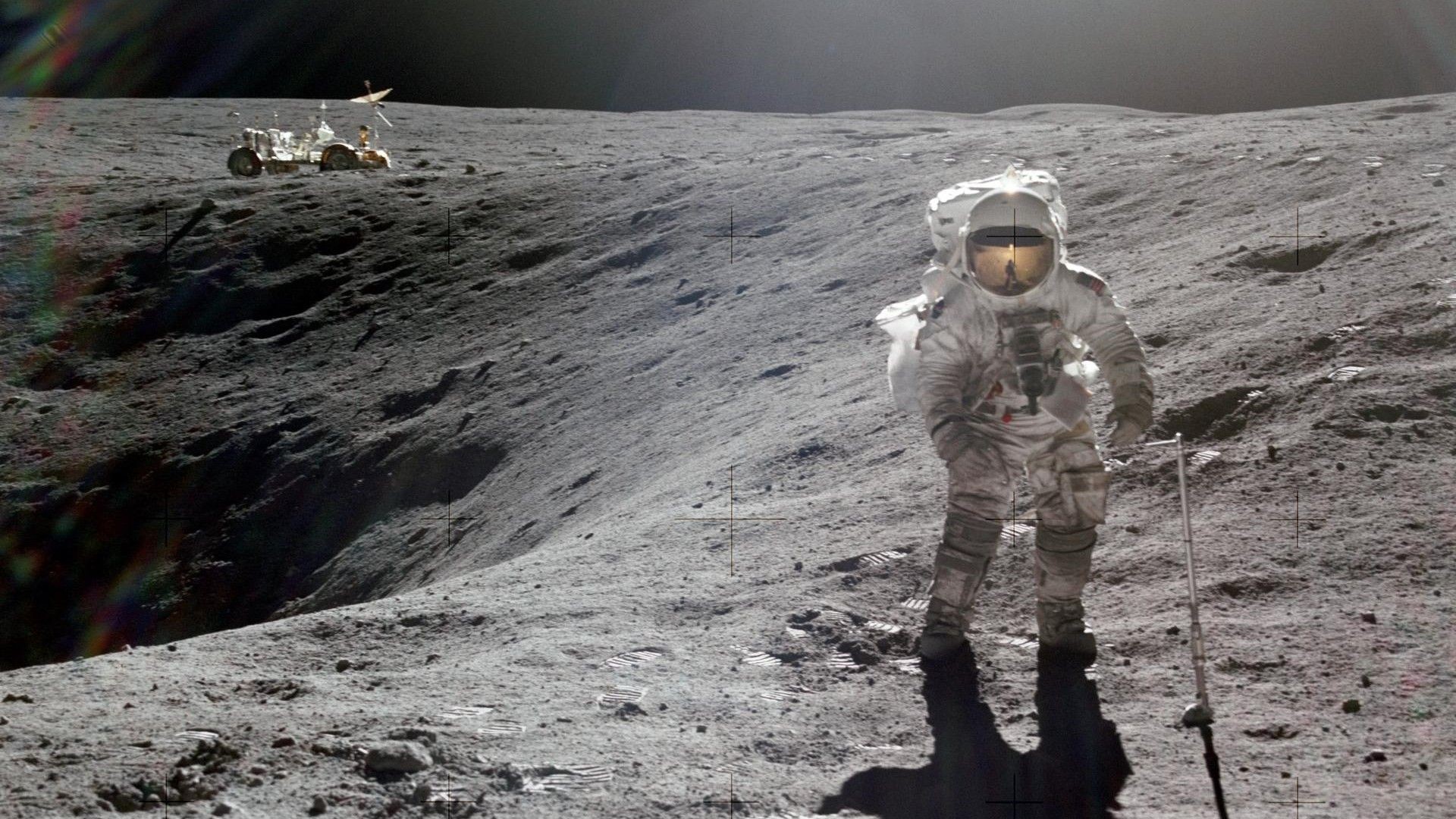
For decades, scientists have debated whether the Moon once possessed a sustained, strong magnetic field. New analysis of Apollo-era moon rocks suggests that while the Moon did experience periods of intense magnetic activity, these were brief and infrequent – lasting only a few thousand years, potentially even decades – rather than being a long-lived feature. The research, published in Nature Geoscience, refines our understanding of the Moon’s early history and the forces that shaped its magnetic environment.
The Long-Standing Debate and Apollo Sampling Bias
The core of the mystery lies in the limited geographic distribution of Apollo mission landing sites. Astronauts landed in roughly the same equatorial regions, primarily on dark, flat basaltic plains called maria. These areas are rich in titanium basalts, making them easy targets for landing but creating a biased sample of the Moon’s overall composition.
The initial analyses of these rocks suggested a stronger, more persistent magnetic field than some models allowed. The Moon’s small core—only one-seventh of its radius—made a long-lasting strong field unlikely. This discrepancy fueled the debate.
Titanium as the Key: Linking Rock Composition to Magnetic Strength
The new study connects titanium content in lunar rocks directly to their magnetic strength. Samples with less than 6% titanium exhibited weak magnetic fields, while those with higher concentrations showed significantly stronger magnetism. This correlation suggests that periods of intense magnetic activity coincided with the melting of titanium-rich material deep within the Moon’s mantle.
“For very short periods of time…melting of titanium-rich rocks at the moon’s core-mantle boundary resulted in the generation of a very strong field.” – Claire Nichols, University of Oxford.
This melting likely occurred due to localized heat sources, causing temporary surges in magnetism. The research confirms that the Moon’s magnetic field was largely weak throughout most of its 4.5-billion-year history, with brief, localized bursts of strong activity.
Apollo Rocks: A Limited But Crucial Dataset
The Apollo archive holds roughly 842 pounds (382 kg) of moon rocks, a substantial portion of the 1,433 pounds (650 kg) on Earth (including meteorites). While extensively studied, these samples were always known to be a statistically biased subset of the Moon’s entire geological record. The research team ran simulations confirming that a random sample of lunar material would have only a small chance of including strong magnetic rocks. This reinforces the need for more diverse sampling.
Future Exploration with Artemis
The NASA-led Artemis missions aim to address this sampling bias by landing in a wider range of lunar locations. Gathering samples across a broader geographic spread will provide a more complete picture of the Moon’s magnetic history. This will help confirm whether these bursts of strong magnetism were widespread or confined to specific regions.
Ultimately, the new analysis of Apollo rocks clarifies that while the Moon did experience strong magnetic activity, it was a fleeting phenomenon, not a sustained characteristic of its early evolution. The upcoming Artemis missions promise to fill the gaps in our knowledge and resolve any remaining uncertainties.