




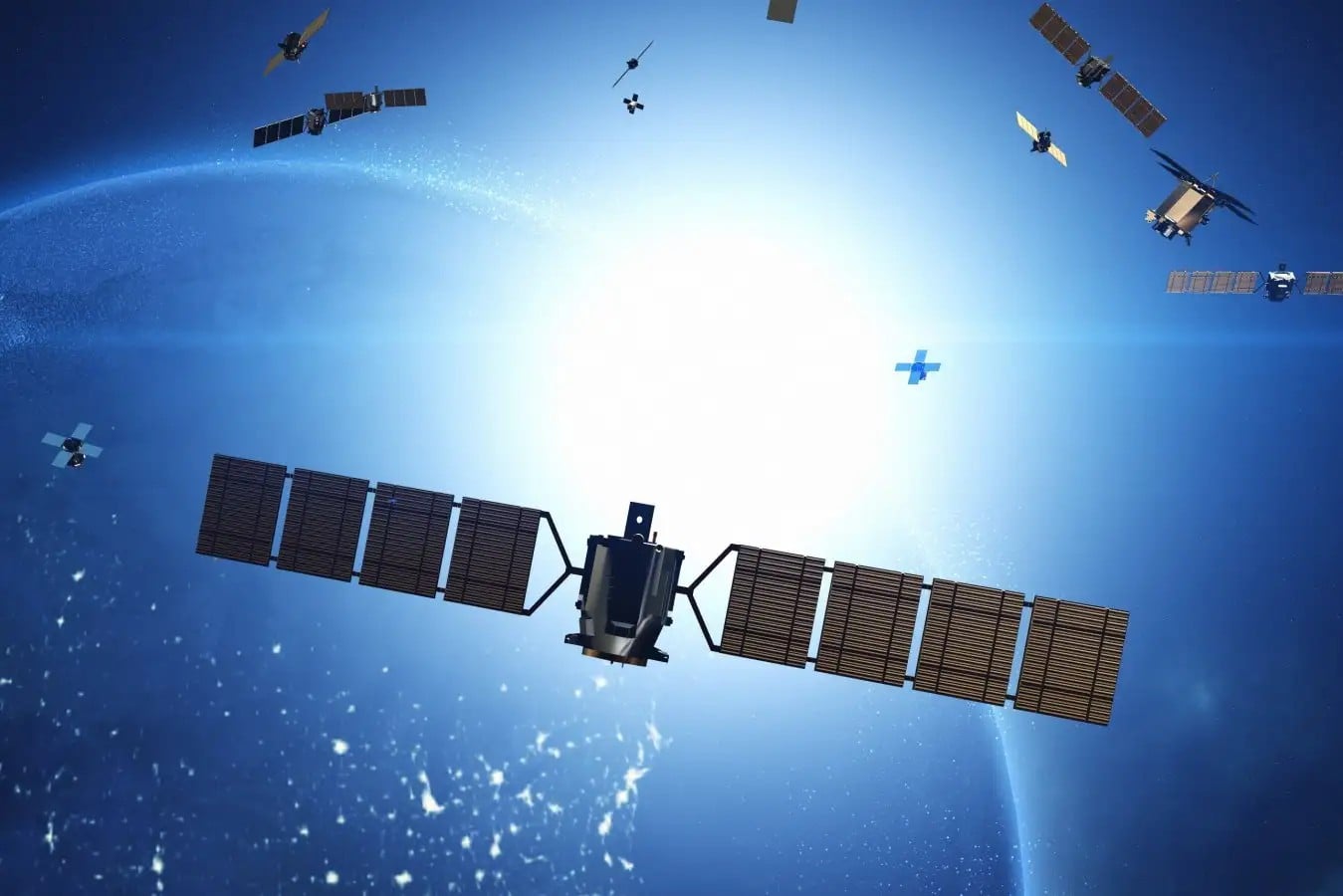
Earth’s orbit is becoming dangerously congested, with a new analysis revealing that a catastrophic collision between satellites could occur in as little as 2.8 days if all spacecraft lost their ability to maneuver. This alarming statistic, quantified by the “Collision Realization And Significant Harm (CRASH) Clock,” underscores the exponential growth of satellites in recent years and the increasing reliance on automated collision avoidance systems.
The Rapid Rise of Satellites
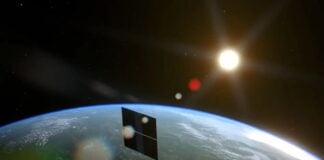
Over the past seven years, the number of satellites in orbit has more than tripled, jumping from approximately 4,000 to nearly 14,000. The primary driver behind this surge is SpaceX’s Starlink constellation, which now comprises over 9,000 satellites operating in low Earth orbit (340-550 kilometers above the surface). This dramatic increase means satellites must execute frequent collision avoidance maneuvers – SpaceX alone performed 144,404 such maneuvers between December 2024 and May 2025 (roughly one every 1.8 minutes) – to prevent catastrophic crashes.
Why This Matters: The sheer volume of satellites elevates the risk of collisions. Such events generate thousands of debris fragments, potentially rendering entire orbital regions unusable for decades due to the cascading effect of further collisions. This is known as the Kessler syndrome.
The CRASH Clock: A Growing Threat
Researchers at Princeton University, led by Sarah Thiele, developed the CRASH Clock to measure the escalating collision risk. Their model shows a stark change in just a few years: in 2018, before the large-scale deployment of Starlink, the time to a guaranteed collision if all satellites lost maneuverability was 121 days. Today, that figure has plummeted to just 2.8 days.
“We were shocked it was that short,” says Thiele.
The CRASH Clock assumes a scenario where all satellites simultaneously lose their ability to adjust course, such as during an extreme space weather event. While a total failure of all systems is unlikely, recent strong solar storms have already demonstrated the vulnerability of satellites, causing disturbances in the Starlink constellation in May 2024. A repeat of the 1859 Carrington Event – the most powerful solar storm on record – could create widespread disruption.
The Future of Orbital Congestion
The trend toward greater congestion is set to continue. SpaceX, Amazon, and Chinese companies plan to launch tens of thousands more satellites in the coming years. This means the CRASH Clock will likely fall further, increasing the probability of collisions.
What This Means for Space Access: As Hugh Lewis of the University of Birmingham points out, the growing orbital environment raises a critical question: “Can we keep adding to that house of cards?” The more satellites added, the greater the potential fallout from a single collision. The risk isn’t just theoretical; in 2009, an active Iridium satellite collided with a defunct Russian Kosmos satellite, creating hundreds of long-lasting debris fragments.
The increasing congestion in Earth’s orbit is a growing concern, demanding new strategies for satellite management, debris mitigation, and international cooperation to prevent a catastrophic cascade of collisions. The future of space access depends on addressing this challenge now.