


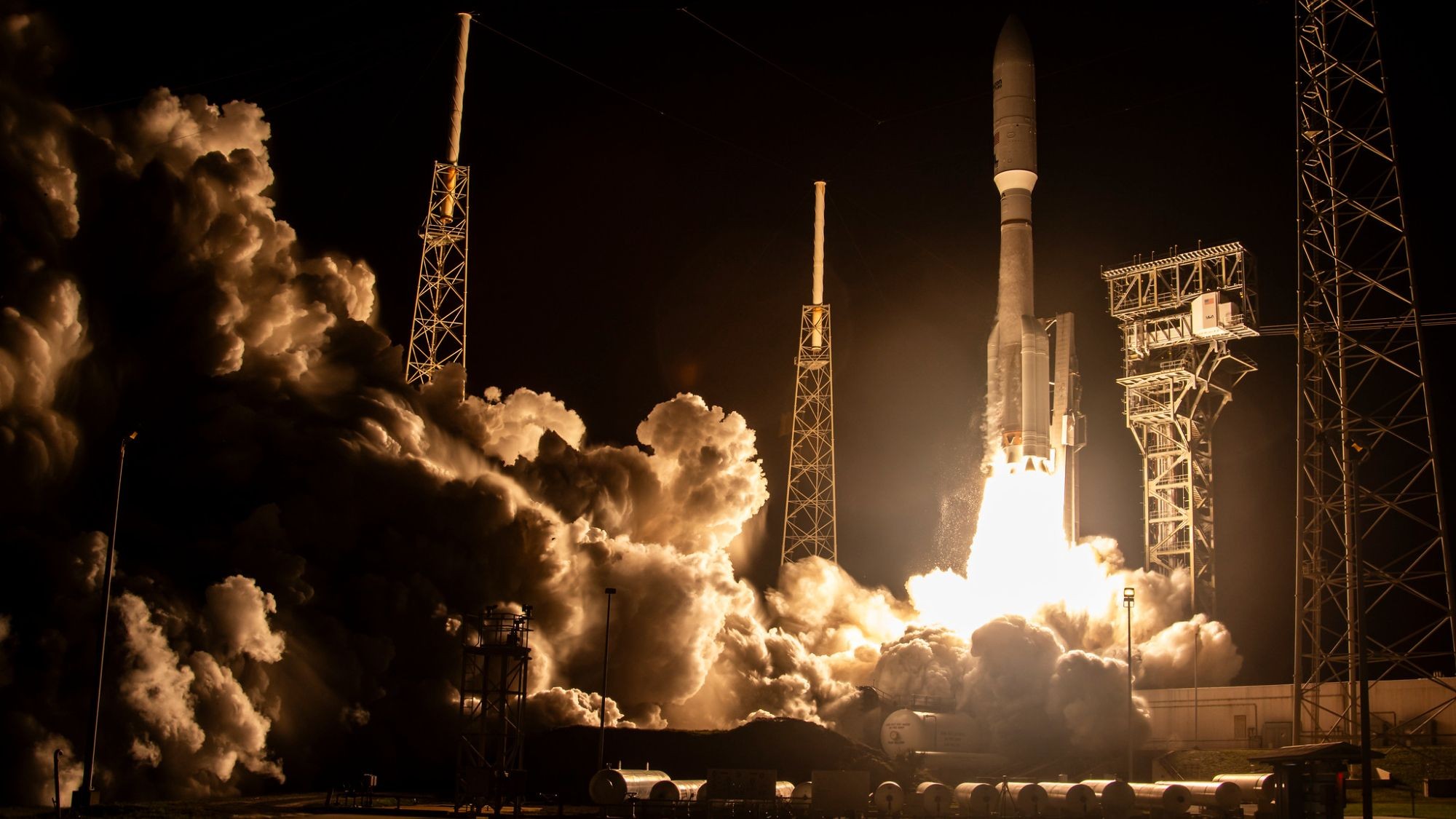
Amazon’s rapidly expanding network of internet satellites is disrupting astronomical observations, according to a new study. The research, posted on ArXiv, found that Amazon’s Leo constellation exceeds brightness limits set by the International Astronomical Union (IAU) to minimize interference with ground and space-based telescopes.
Satellite Brightness and Its Impact
The Amazon Leo satellites, orbiting at roughly 391 miles above Earth, have an average apparent magnitude of 6.28 – too faint for the naked eye, but still detectable with even basic equipment. Approximately 25% of observations show the satellites bright enough to be visible without telescopes. This poses a significant problem for large astronomical surveys, such as those conducted at the Vera C. Rubin Observatory, and can even affect orbiting telescopes like Hubble.
The issue isn’t unique to Amazon; SpaceX’s Starlink and AST SpaceMobile’s BlueBird satellites have also been scrutinized for their brightness. BlueBird satellites, with massive 690-square-foot antennas, currently hold the title of the brightest artificial objects in the night sky. Amazon’s satellites, while dimmer than BlueBird, are slightly brighter than many Starlink satellites due to orbital altitude differences.
Brightness Trends and Mitigation Efforts
Future Amazon Leo satellites are slated for even lower orbits (around 366 miles), which will likely increase their brightness. The problem is most pronounced during twilight hours, when the satellites are backlit by the sun. However, Amazon has demonstrated a willingness to collaborate with astronomers on reducing interference.
The company, along with SpaceX, is implementing methods such as mirror-like undersides to redirect sunlight and reorienting satellite components to reduce ground-based reflections. Since the launch of initial test satellites in 2023, Amazon engineers have already made progress in lowering the brightness of their orbiting devices.
Why This Matters
The conflict between satellite internet and astronomical research highlights a growing tension between technological advancement and scientific observation. As satellite constellations expand, they increasingly intrude on the pristine darkness needed for accurate astronomical data. This impacts not only professional astronomy but also amateur observers and the broader public’s ability to enjoy the night sky. The issue underscores the need for ongoing dialogue between industry and the scientific community to balance innovation with preserving access to our universe.
Astronomers first raised concerns about satellite interference with SpaceX’s Starlink in 2019, when early images showed trails from passing satellites distorting observations. Since then, both SpaceX and Amazon have shown willingness to address the problem, suggesting that responsible development is possible.