



For centuries, the rise and fall of civilizations has been attributed to warfare, political shifts, or environmental disasters. However, a new study reveals that one ancient Peruvian kingdom thrived due to a surprising resource: seabird droppings, or guano. Chemical analysis of ancient maize cobs confirms that the Chincha kingdom, flourishing around 900 years ago, deliberately fertilized crops with this nutrient-rich substance, giving them a competitive advantage that ultimately influenced their conquest by the Incas.
The Power of Bird Poop
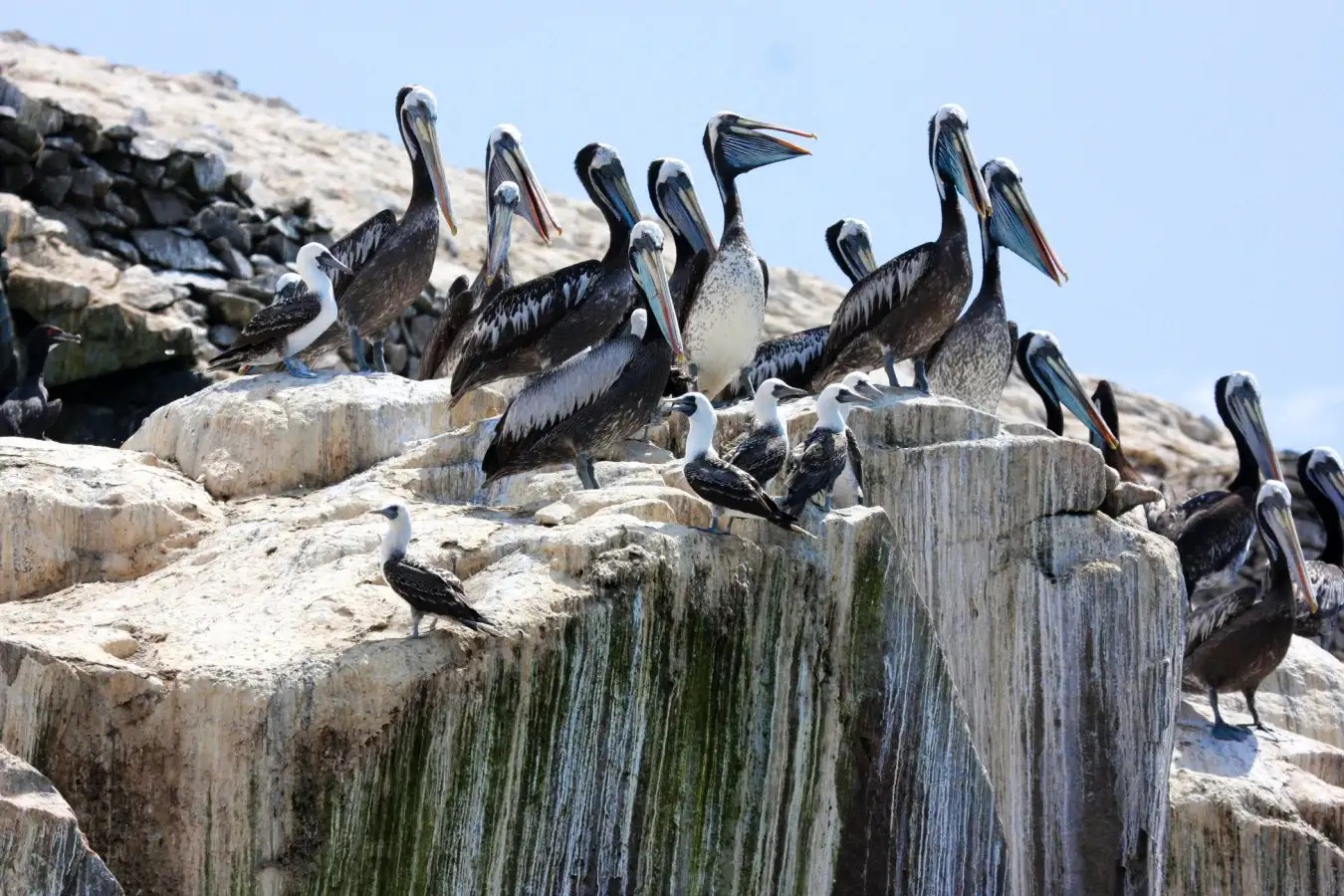
The Chincha kingdom controlled one of Peru’s most productive coastal valleys between AD 1000 and 1400. Their success wasn’t just geographical; it was chemical. The nearby Chincha Islands hosted massive colonies of seabirds – pelicans, boobies, and cormorants – whose excrement, feathers, and carcasses formed a potent fertilizer. Access to guano wasn’t just about agriculture; it was a source of power. Jacob Bongers, from the University of Sydney, explains, “Privileged access to a crucial resource is a pathway to power—which the Chincha Kingdom had in this case, and the Inca did not.”
Scientific Evidence of Guano Use
For years, historians suspected the Chincha kingdom exploited guano, but archaeological evidence remained elusive. The new study changes that. Researchers analyzed 35 ancient maize cobs from Chincha tombs, measuring carbon and nitrogen isotope ratios. The results were clear: many of the cobs showed nitrogen isotope levels higher than what natural soil could produce, a definitive sign of guano fertilization.
To establish a baseline, they also analyzed collagen from ancient seabird bones in the region, confirming that the birds themselves had unusually high nitrogen-15 values. The data suggests the Chincha people were actively using guano as early as AD 1250, well before the Inca takeover.
Why Guano Mattered
The Incas later controlled guano production, with strict state oversight and harsh penalties for harming the birds. However, the Chincha had first mover advantage. The kingdom’s economic success likely hinged on this resource, with seabird imagery appearing on ceremonial objects, textiles, and architecture suggesting the birds held cultural significance.
The Peruvian guano was particularly effective due to the region’s limited rainfall, which preserved the nitrogen content. As Dan Sandweiss of the University of Maine notes, harvesting guano was a significant undertaking, “but you do that for high-value things!” The Chincha’s control over this resource not only fueled their prosperity but also gave them leverage when negotiating with the expanding Inca Empire.
This research highlights a crucial point: sometimes, the most unexpected resources can shape the course of history. The Chincha kingdom’s story proves that even bird poop can be a powerful tool in the hands of those who know how to exploit it.