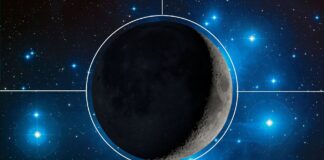




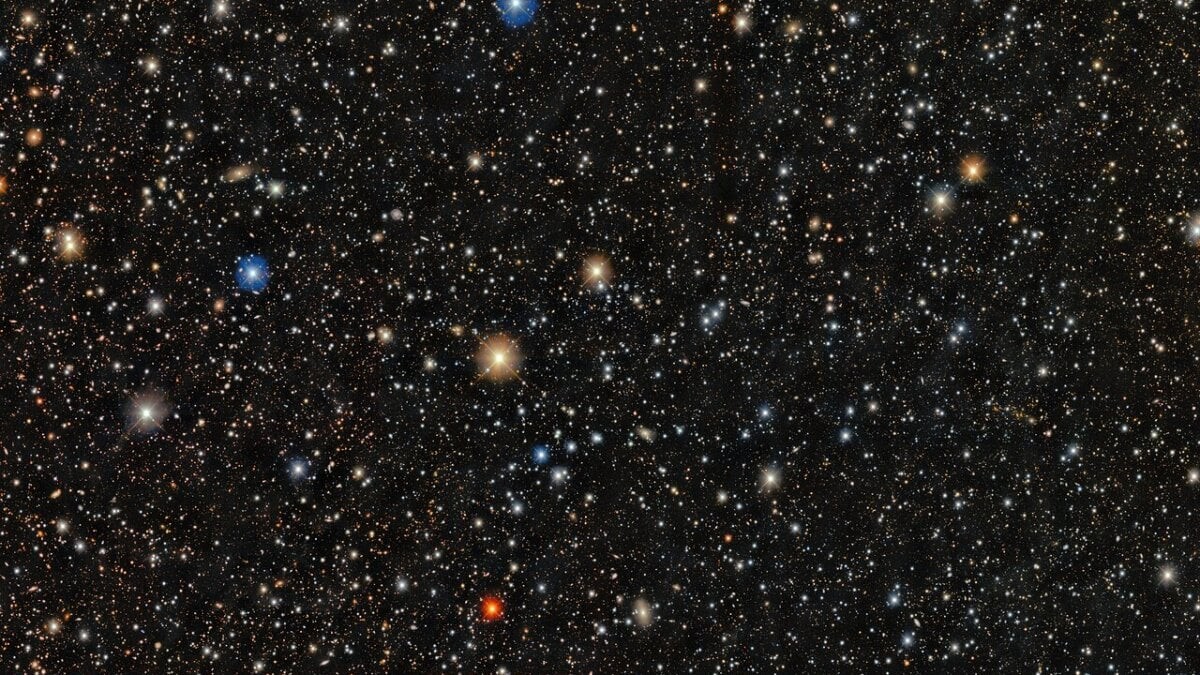
Astronomers have identified a star composed almost entirely of material ejected from one of the earliest stellar explosions in the universe. This discovery provides a unique window into the conditions of the cosmos shortly after the Big Bang. The star, designated PicII-503, was found in Pictor II, a small dwarf galaxy orbiting the Large Magellanic Cloud – which itself orbits our Milky Way.
A Time Capsule from the Early Universe
PicII-503 exhibits an extremely primitive chemical composition, with exceptionally low levels of iron and calcium relative to carbon. This imbalance suggests it formed from gas directly polluted by a weak supernova from one of the first stars to ever exist. In the early universe, the first stars were almost entirely hydrogen and helium. When they died in supernovas, they forged heavier elements like carbon, oxygen, and iron, scattering them across space.
The significance? This star’s chemical makeup shows us that not all early supernovas were the same. Some were weaker, trapping heavier elements like iron within their core while ejecting lighter elements like carbon. This is the first confirmed observation of this scenario.
Why This Matters for Cosmic Evolution
The discovery reinforces the idea that small, early galaxies like Pictor II played a critical role in seeding larger galaxies with the building blocks of life. Over time, the Milky Way and other large galaxies absorbed these smaller galactic relics, inheriting their chemical signatures.
“What excites me the most is that we have observed an outcome of the very initial element production in a primordial galaxy, which is a fundamental observation,” says Anirudh Chiti, the Stanford University researcher who led the study.
PicII-503 is roughly 600,000 light-years away, in the constellation Pictor. It is estimated to be over 10 to 12 billion years old. The discovery was made using the Dark Energy Camera in Chile, part of the NSF NOIRLab program.
The Search for More Ancient Stars
Researchers believe that stars like PicII-503 may be more common in the outer regions of galaxies, away from the dense centers where stellar evolution is more active. This suggests that future searches for chemically primitive stars should focus on galactic outskirts.
The finding offers a rare glimpse into the universe’s earliest stages. It’s akin to cosmic archaeology, uncovering stellar fossils that hold the fingerprints of the first stars and the conditions under which they exploded. This provides essential insight into how heavier elements were first distributed across the cosmos, ultimately enabling the formation of planets and life.