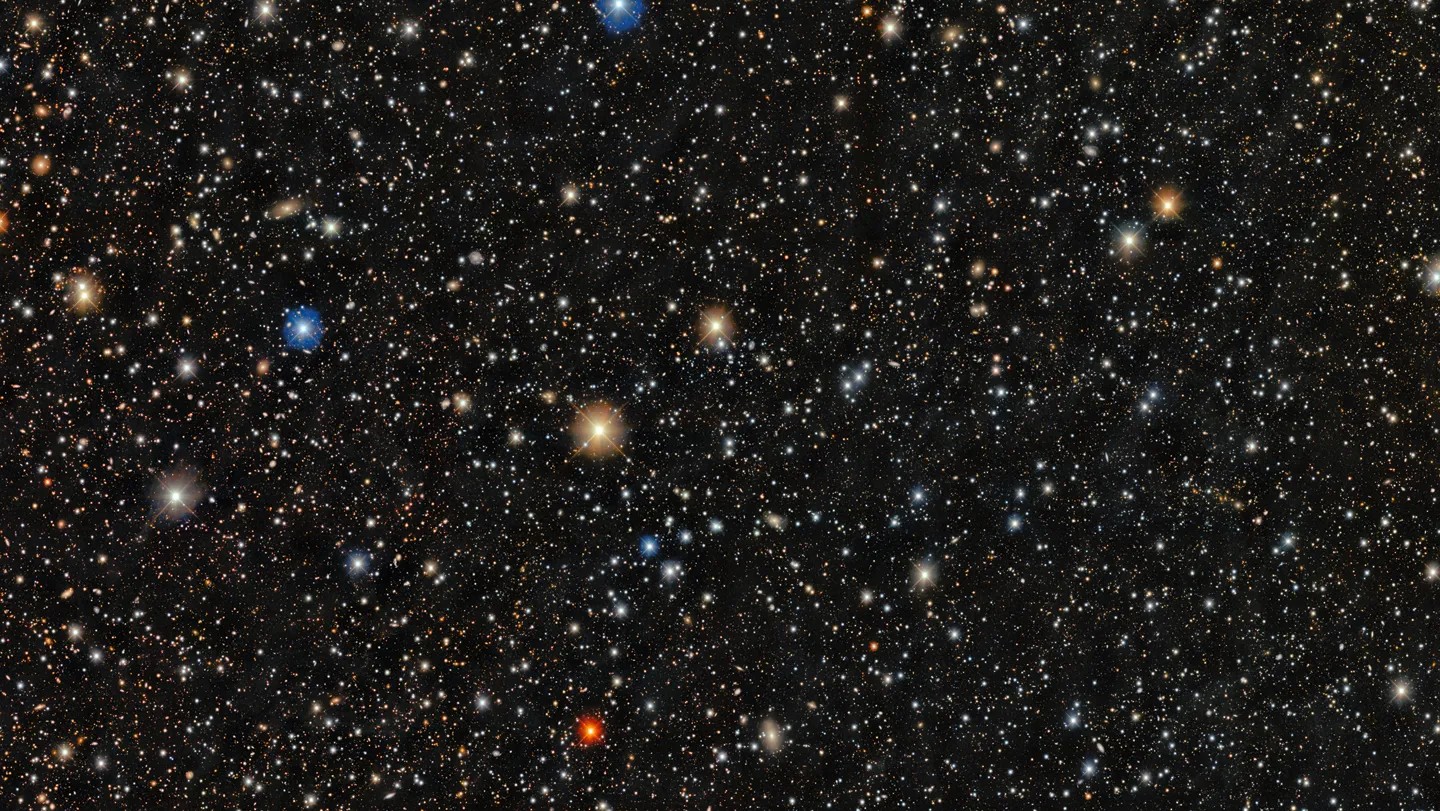
Astronomers have identified a remarkably primitive star within a small, distant galaxy, offering an unprecedented glimpse into the chemical composition of the early cosmos. The star, designated PicII-503, contains almost no heavy elements – a signature of its formation in the second generation of stars after the Big Bang.
A Window Into Cosmic Origins
The discovery, published in Nature Astronomy on March 16, marks the first confirmed second-generation star found within an ultrafaint dwarf galaxy. This finding provides strong evidence for how stars formed during the initial stages of chemical enrichment in the universe. The extreme lack of heavier elements in PicII-503 suggests that it formed from material ejected by just one early supernova – a relatively low-energy event that sprayed lighter elements, like carbon, into space while holding onto heavier ones like iron and calcium.
Why This Matters
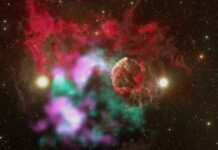
The first stars were almost entirely hydrogen and helium. They lived fast and died young, exploding as supernovas and seeding the universe with heavier elements. These early explosions cooled cosmic gas clouds, causing them to collapse into smaller, longer-lived stars.
Finding stars like PicII-503 isn’t just about confirming theories; it’s about filling gaps in our understanding of how galaxies evolved. Researchers have found roughly ten stars this primitive in the Milky Way’s halo, likely remnants of smaller galaxies our own absorbed long ago. But finding one within a dwarf galaxy validates the idea that similar processes occurred independently in the early universe.
The Search for First Light
The star was detected in 2024 using the Víctor M. Blanco Telescope in Chile. Follow-up observations confirmed its unusually low iron and calcium levels, with a surprising abundance of carbon. This chemical fingerprint reinforces theories about the nature of early supernovas – relatively weak explosions that favored lighter elements.
“It’s a fantastic discovery… I know how hard it is to find these stars. They are so, so rare.” – Anna Frebel, MIT astrophysicist.
While telescopes like the James Webb Space Telescope scan the early universe for direct evidence of the first stars and galaxies, objects like PicII-503 offer a more accessible way to study that era. Ultrafaint dwarf galaxies may be analogous to the earliest galaxies that formed, making them valuable laboratories for understanding cosmic origins.
In essence, PicII-503 doesn’t just confirm existing models; it suggests that our understanding of the early universe is converging from multiple lines of evidence. The star’s existence in a dwarf galaxy bolsters the idea that weak supernovas were common enough to prevent early galaxies from being blown apart. This discovery underscores the importance of continuing to seek out these rare relics, as they hold crucial clues to the universe’s first chapters.