


A remarkably preserved fossil, unearthed in Germany, has provided paleontologists with an unprecedented glimpse into the feeding habits of an apex predator from the Permian period—nearly 300 million years ago. The discovery, published in Scientific Reports, represents the oldest known fossilized vomit (dubbed a “regurgitalite”) from a land-based ecosystem, offering a unique “snapshot” of life on the supercontinent Pangaea.
The Discovery at Bromacker
The lime-sized specimen was found at the Bromacker locality in central Germany in 2021. Detailed scans revealed a cluster of bones belonging to at least three different animals, strongly suggesting they were expelled from the digestive system of a predator. Crucially, chemical analysis confirmed the material wasn’t fossilized waste—it was vomit. This distinction matters because regurgitation provides direct evidence of predation events, whereas feces represent a later stage of digestion.
Identifying the Culprit
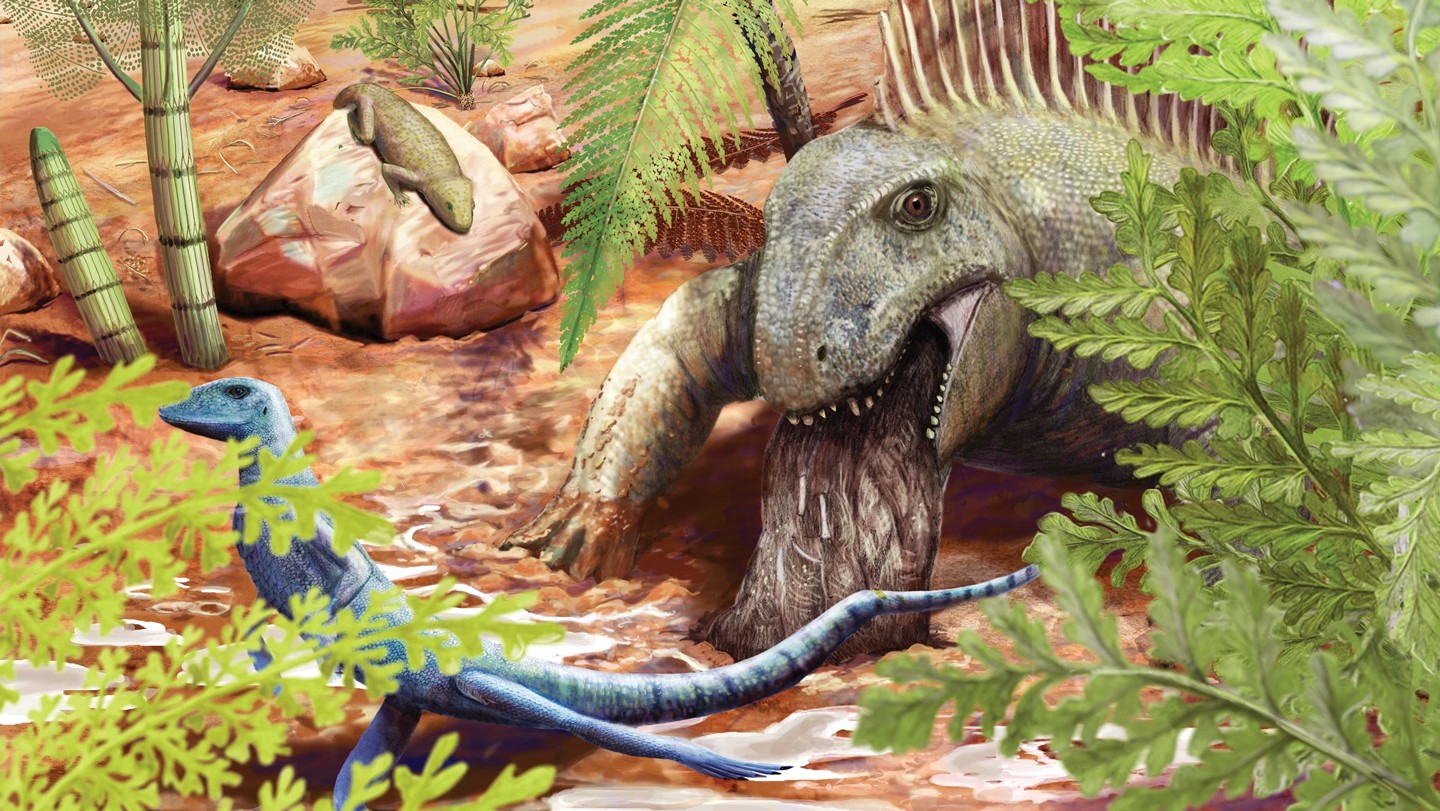
The identity of the predator remains uncertain, but researchers suspect either Dimetrodon teutonis (known for its large dorsal sail) or Tambacarnifex unguifalcatus, both early synapsids—a group that includes mammals and their extinct relatives. Though resembling reptiles, these creatures were evolutionary precursors to mammals, marking a critical period in terrestrial vertebrate history.
A Mixed Diet: No Picky Eater
Among the 41 bones, scientists identified remains of at least two small, lizard-like reptiles, as well as a limb bone from a larger herbivore. This suggests the predator was an opportunistic feeder, consuming whatever prey was available rather than specializing. This behavior is significant because it indicates a less-refined ecosystem structure where competition for resources was likely fierce. The lack of dietary specialization suggests the ecosystem was still developing complex food webs.
Why Vomit Matters
The regurgitalite’s value extends beyond mere dietary information. The presence of three distinct animals in the same fossilized vomit places them definitively in the same time and place, possibly within days of each other. This level of temporal precision is rare in paleontology.
“We can literally say, for sure, that these three animals were living at exactly the same place and exactly the same time, maybe to the week or even to the day,” explains paleontologist Arnaud Rebillard.
The reason for regurgitation remains speculative. Like modern predators, the ancient animal may have expelled indigestible bones or simply overeaten. Regardless, the fossil serves as a crucial data point for reconstructing Permian food webs.
Ecosystem Snapshot
The Bromacker site is unique because it preserves a complete terrestrial ecosystem from this early period. Prior to this, land predators were often found in aquatic environments where they hunted fish and crustaceans. The Permian period marked a shift towards larger herbivores dominating inland ecosystems, driving the evolution of new predators. Fossilized vomit and dung are rare in such environments, making this discovery particularly significant.
This fossilized vomit isn’t just a gross relic of the past—it’s a rare window into the behavior and ecology of one of Earth’s earliest land predators. It underscores how even the most unpleasant biological processes can provide invaluable insights into the deep history of life.