





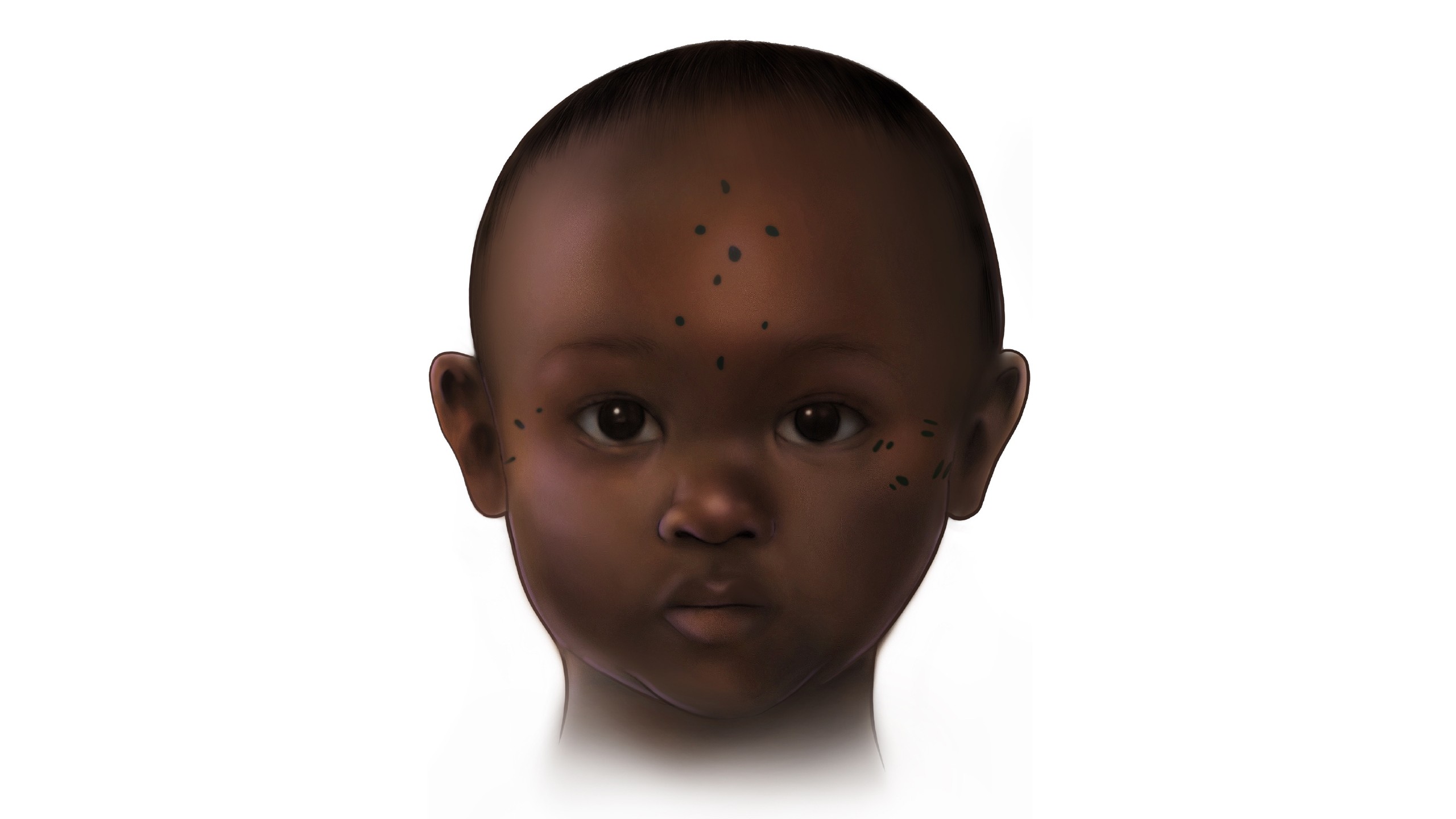
Archaeologists have uncovered evidence that children as young as 18 months old were deliberately tattooed in ancient Nubia (modern-day Sudan) around 1,400 years ago. The discovery, detailed in a recent PNAS study, raises questions about the purpose of this unusual practice – was it religious, protective, or simply decorative?
Early Tattooing Practices
Tattooing is an ancient human tradition, with the oldest known examples found on Ötzi the Iceman (5,300 years old) and Egyptian mummies (5,000 years old). However, these were almost exclusively adults. The Nubian findings are significant because they represent some of the earliest confirmed instances of systematic tattooing on very young children. This is unusual because tattooing children is rarely found in the archaeological record.
The Nubian Discovery
Researchers examined over 1,000 mummified remains from sites dating between A.D. 650 and 1,000, a period when Christianity was spreading through the region. Microscopy using infrared lighting revealed tattoos on 27 individuals, with a striking concentration among children under age 11. Some children were even tattooed multiple times, suggesting repeated procedures.
The tattoos themselves were simple designs: clustered dots and dashes, frequently arranged in a diamond pattern on the forehead. This pattern may have symbolized a Christian cross, leading to speculation that the tattoos served as a permanent mark of faith.
Possible Explanations
The team lead, archaeologist Anne Austin, proposes several possibilities:
- Religious Marking: If tattooing was linked to Christian conversion, parents might have used it to permanently identify their children as believers. This would be particularly meaningful in a time of religious transition.
- Protective or Medical Purpose: The tattoos may have been intended to ward off illness, particularly malaria, which was prevalent in the Nile Valley. Forehead tattoos could have been believed to prevent headaches or fevers, common malaria symptoms.
- Cultural Tradition: The practice may have simply been a cultural norm, akin to modern ear-piercing or circumcision.
The researchers believe that Nubians used knives, rather than needles, to apply the tattoos, given the shape of the markings.
Why This Matters
The discovery challenges assumptions about tattooing practices in antiquity. The deliberate tattooing of toddlers suggests a cultural significance that goes beyond mere decoration. The timing, coinciding with the spread of Christianity, implies a potential religious dimension. Furthermore, the high rate of tattooing in children raises questions about health conditions in the region at the time. If parents were tattooing children to protect them, it suggests they faced serious and persistent health threats.
“The form of tattooing at Kulubnarti doesn’t seem any more extreme than piercing a toddler’s ears or circumcising newborn babies,” Austin said.
The mystery remains unsolved, but the Nubian tattoos offer a unique window into the beliefs and practices of a long-lost civilization.