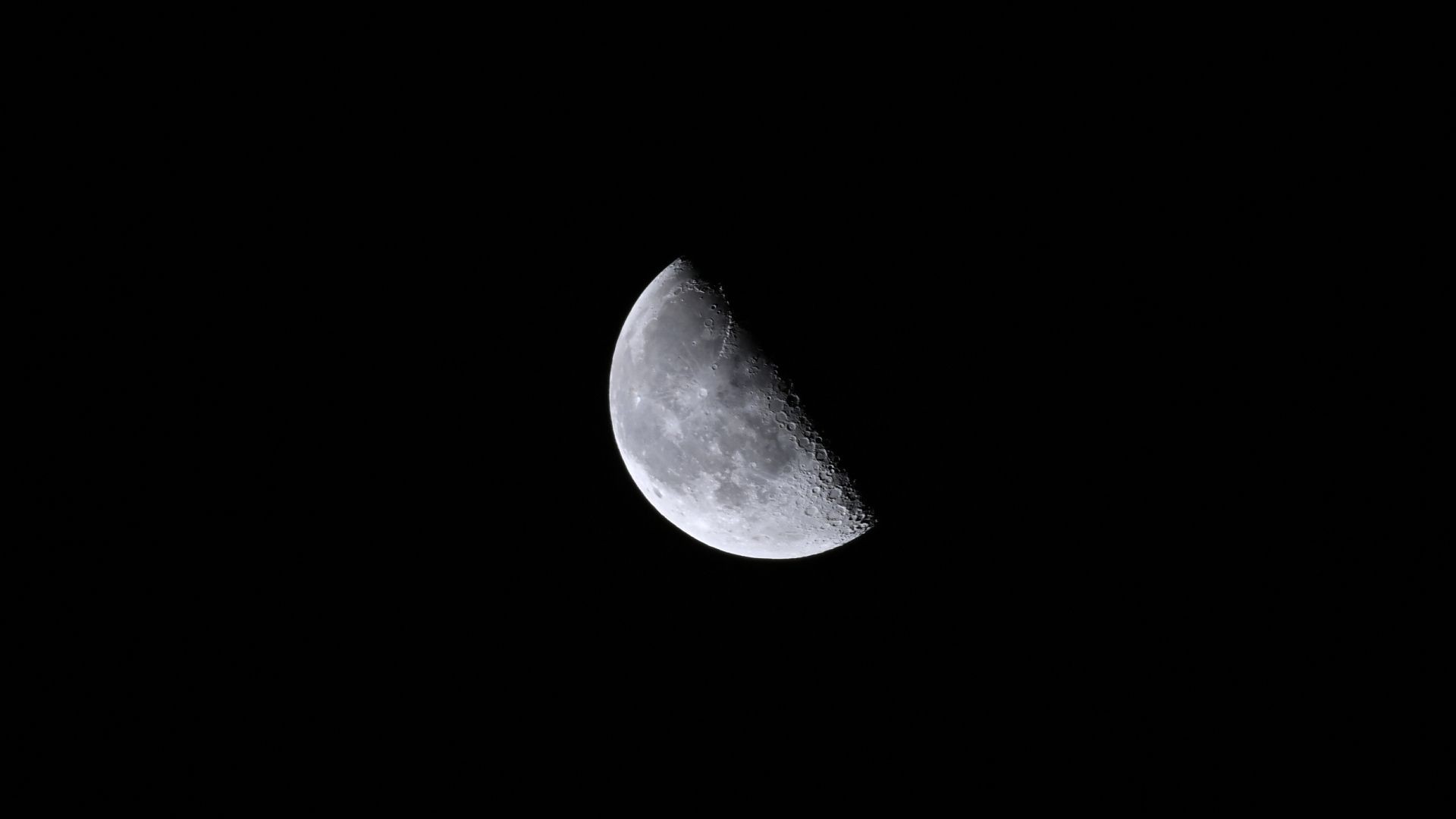

Останню чверть Місяця можна буде побачити на нічному небі з 9 по 10 лютого, що дасть чудову можливість для любителів астрономії спостерігати деталі його поверхні з високою чіткістю. Невдовзі після півночі 10 лютого на південно-східному небі з’явиться напівосвітлений місяць разом із яскравими зірками, такими як Спіка та Арктур.
Чому це важливо?
Третя чверть Місяця виникає, коли ліва сторона Місяця освітлюється, створюючи драматичні тіні на кратерах і гірських хребтах. Ця видимість особливо цінна, оскільки деталі місячної поверхні найбільш виразні під час цієї фази, що дозволяє більш чітко спостерігати геологічні структури. Місячні кратери та гори виділяються через низький кут сонячного світла в цей час.
Спостереження поверхні Місяця
Термінатор, лінія, що розділяє світло і тінь на Місяці, є найкращим місцем для фокусування вашого телескопа. На цьому краю тіні тягнуться по місячному пейзажу, висвітлюючи краю кратерів і центральні вершини утворень, таких як Гершель, Птолемей, Альфонс і Арзахель.
- 9-дюймовий телескоп з апертурою легко виявить центральні вершини всередині Арзачеля та Альфонса.
- Місця посадки Аполлона 12 і Аполлона 14 можна знайти біля Моря Спокою. Аполлон-14 приземлився понад 55 років тому, 5 лютого 1971 року.
Місячна геологія та історія
Топографія Місяця розповідає про давні удари та вулканічну активність. Вважається, що Апеннінські гори, гірський ланцюг завдовжки 595 кілометрів, утворився в результаті того самого удару астероїда, який створив басейн Імбрія, який пізніше заповнився лавою і став «Море дощів». Це підкреслює, що форми місячного рельєфу є залишками катастрофічних подій і наступних геологічних процесів.
Остання чверть Місяця дає ідеальну можливість для астрономів-любителів вивчати місячну геологію зі свого двору без потреби у сучасному обладнанні.
Для тих, хто цікавиться спостереженням за Місяцем, бінокль або телескоп із помірним збільшенням дозволять побачити деталі поверхні. Чисте небо та мінімальне світлове забруднення покращать видимість. Подія є нагадуванням про динамічне минуле Місяця та його подальшу роль як небесного маяка для наукових досліджень.