



The world’s food supply faces constant threats from climate change, evolving diseases, and soil depletion, requiring continuous scientific innovation to maintain stable harvests. However, recent cuts to US agricultural funding have introduced a new and significant uncertainty.
The End of Feed the Future
For years, the US Agency for International Development (USAID) allocated approximately $150 million annually through the Feed the Future initiative to support agricultural science globally. This bipartisan-backed program funded research at universities, companies, and international centers, aiming to develop resilient crops and sustainable farming practices. The Trump administration dismantled this support in 2023, abruptly freezing and later eliminating the funding.
Impact on Research and Development
This decision has forced scientists worldwide to halt or scale back critical studies. Roughly one-third of Feed the Future’s budget went to 17 US university labs researching diverse areas, from aquaculture to staple crops. Almost all received stop-work orders, disrupting long-term projects designed to protect the world’s food supply.
Case Study: Soybean Innovation Lab
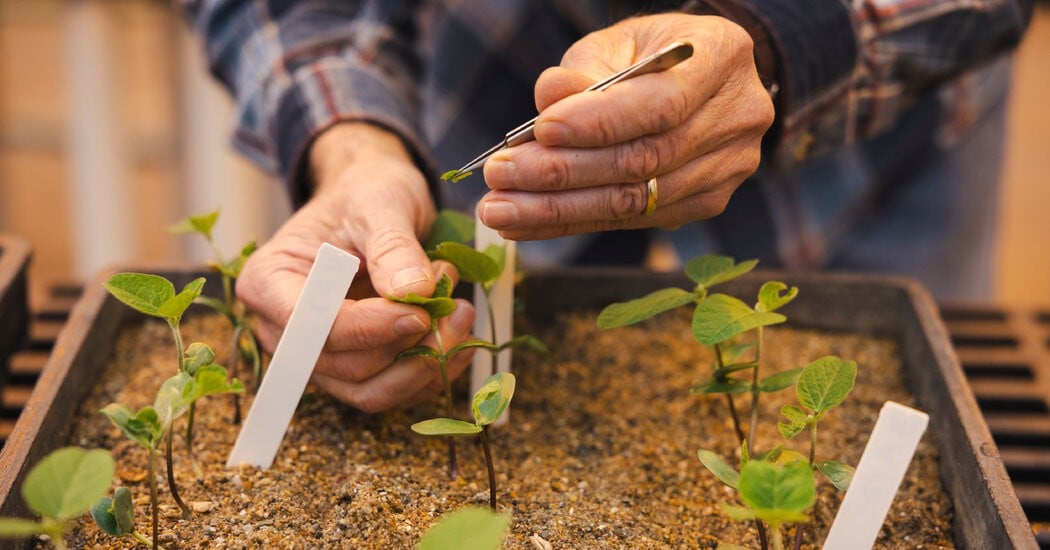
The soybean “innovation lab” at the University of Illinois Urbana-Champaign, for example, developed high-yield soybean varieties for West African farmers, potentially boosting local economies and creating export opportunities for US soy producers. The lab was forced to shut down immediately, laying off 30 staff members. According to its director, Peter Goldsmith, the program ended “lights-off in an instant.”
Implications for the Future
The abrupt withdrawal of US funding undermines global efforts to combat plant disease outbreaks and ensure adequate food production in the face of climate change. This decision not only disrupts ongoing research but also jeopardizes future food security, particularly in vulnerable regions.
The reduction in US support will likely have long-term consequences for agricultural innovation, potentially slowing progress in developing climate-resilient crops and sustainable farming techniques. This shift raises critical questions about the sustainability of the global food supply and the role of international cooperation in addressing future food security challenges.