


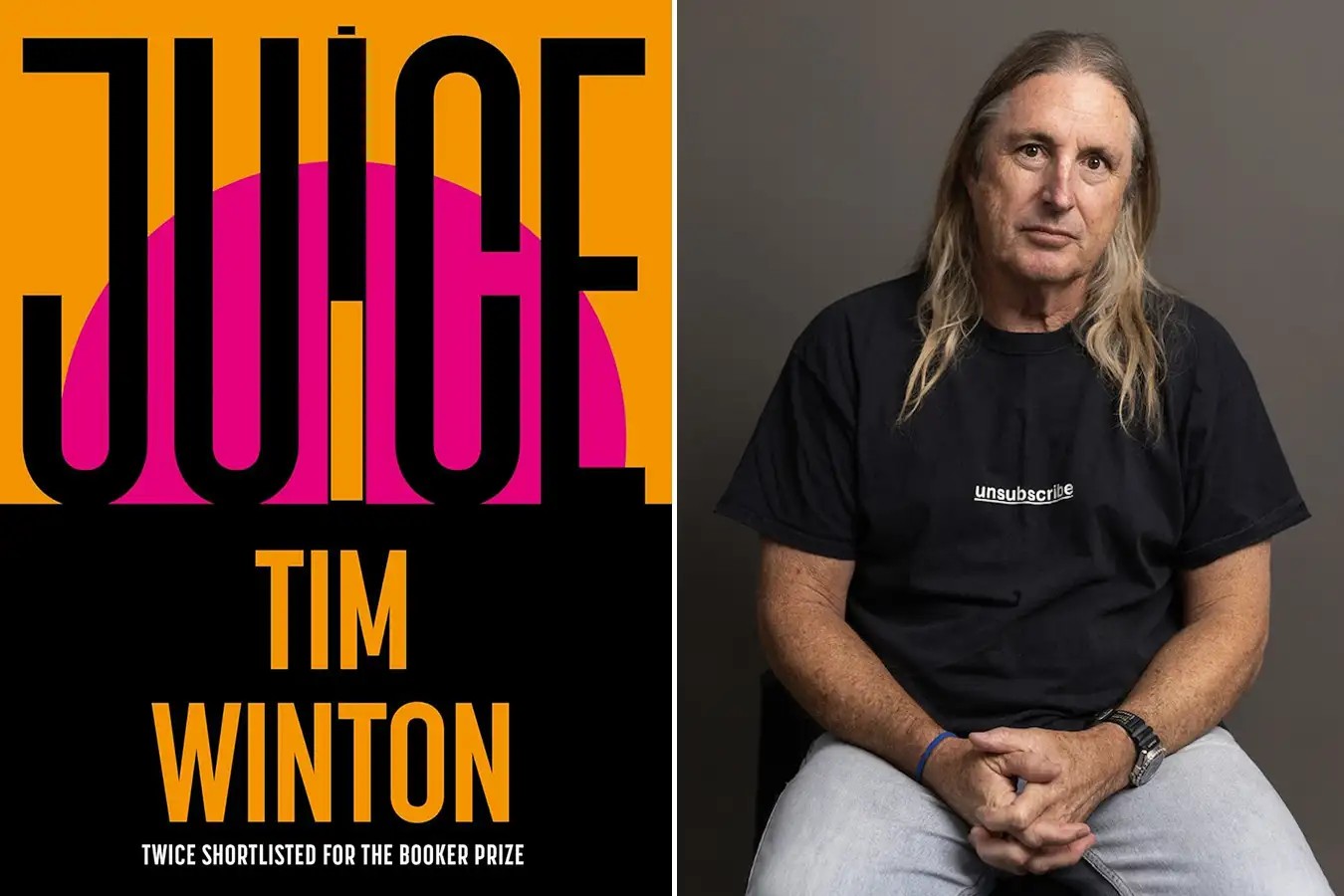
Tim Winton’s latest novel, Juice, is not just another dystopian climate story; it’s a brutal, gripping examination of adaptation and retribution in a scorched future Australia. The New Scientist Book Club recently discussed the novel, finding it both terrifyingly plausible and strangely hopeful.
A World Forged in Heat
Winton’s story follows an unnamed narrator recounting his life in an overheated world. The narrative unfolds gradually, revealing the protagonist’s role in exacting revenge on the descendants of those responsible for climate collapse. The book doesn’t shy away from the harsh realities of survival in this extreme environment.
Reader Reactions: From Gripped to Skeptical
Members of the New Scientist Book Club had strong reactions. Glen Johnson praised Winton’s depiction of climate adaptations, noting how the novel felt “natural, despite being so different from current practice.” Victor Churchill found the book “absolutely compelling,” while Linda Jones admitted struggling with the slow start before becoming “rapidly gripped.”
However, not everyone was convinced. Jacqueline Ferrand questioned the plausibility of a stranger demanding a life story in a dystopian setting, while Steve Swan joked about the protagonist being shot before finishing his tale.
Is It Dystopian or Post-Dystopian?
The novel sparked debate over whether it qualifies as dystopian. Winton himself argues against the term, calling it an “opiate” that creates distance from reality. Some readers agreed, suggesting Juice depicts a post-dystopian world where people have adapted to survive. Niall Leighton countered that many lives are already edging into dystopian conditions, making Winton’s vision disturbingly real.
Beyond Warning: The Need for Hopeful Visions
One member, Niall, raised a crucial point: do dystopian warnings alone prevent the future they depict? He argued for stories focused on building a desirable future, free from discrimination and hierarchy. Another reader, Gosia Furmanik, questioned the novel’s logic, suggesting education and regeneration would be more effective than retribution.
An Ending That Lingers
The novel’s ambiguous ending, offering a sliver of hope, divided readers. Some embraced the open conclusion, while others wished for a more definitive resolution. Ultimately, Juice forces readers to confront uncomfortable questions about climate change, survival, and the choices humanity faces.
Tim Winton’s Juice is a stark reminder that the future is not predetermined. It’s a call to move beyond warnings and toward building a world worth living in.
The New Scientist Book Club will now turn its attention to Daisy Fancourt’s Art Cure, exploring the science of how the arts can transform our health.